
Course Features
Price
Study Method
Online | Self-paced
Course Format
Interactive PDFs, Articles & Learning Resources
Duration
2 hours, 55 minutes
Qualification
Professional Skills Development Course
Assessment
Final MCQ Exam (included in price)
Certificate
Verifiable Digital Certificate - Free
Additional info
Lifetime Access | Start Instantly
- Share
Overview
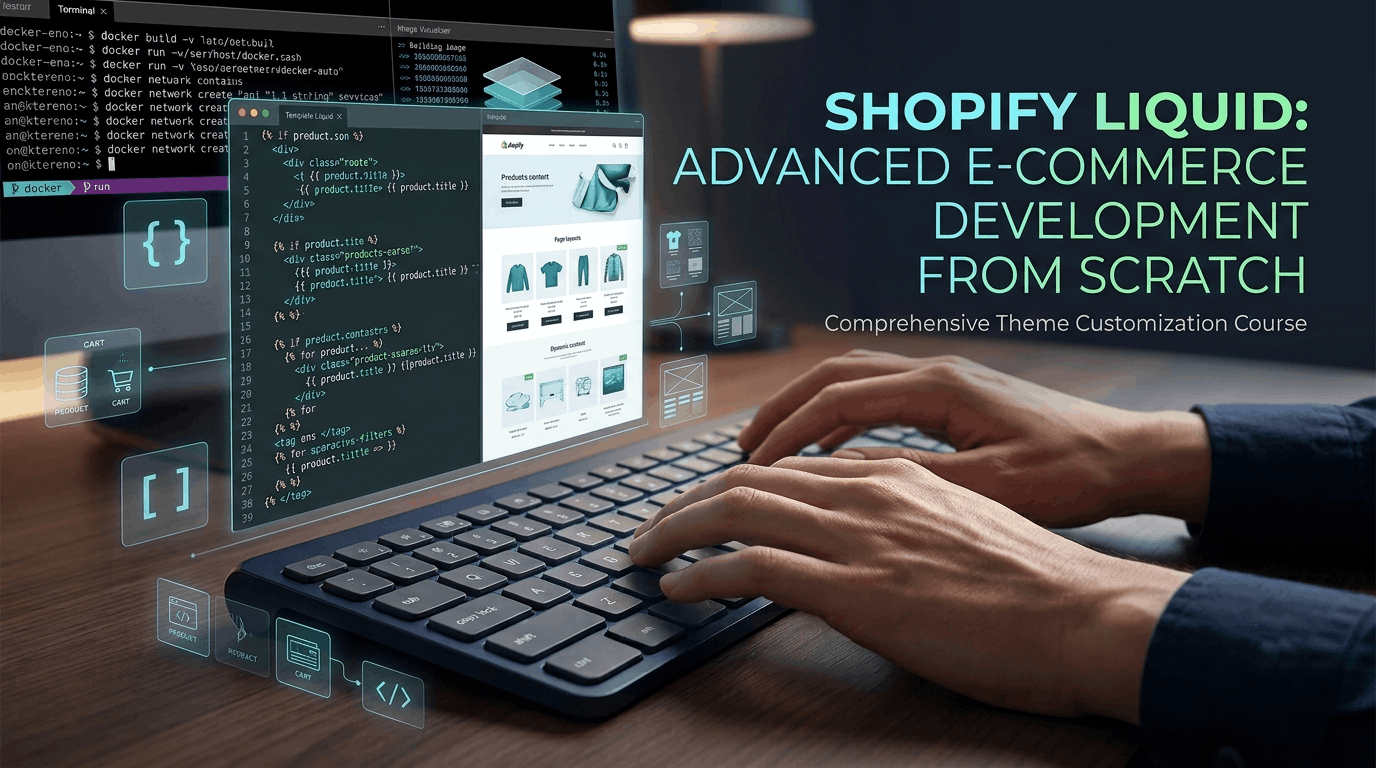
Shopify Liquid Course training provides a structured introduction to the templating language used to create dynamic e-commerce theme experiences. Designed for learners who want to understand how template logic connects store data with front-end content, the course develops essential programming knowledge through a clear progression from foundational concepts to practical theme development techniques.
You will begin by exploring the purpose of Liquid as a templating language and how it works within a theme development environment. The course also introduces the process of creating a development store and preparing a theme for learning and experimentation. This provides a practical environment in which you can explore code and understand how template changes relate to storefront content.
A major part of the training focuses on objects. You will learn what objects represent and how they can provide access to different types of store information. The course introduces global objects alongside content-related objects associated with pages, products and blogs, helping you understand how dynamic data can be referenced within templates.
You will then explore tags and their role in controlling template behaviour. Conditional structures such as if, unless and case are introduced to demonstrate how different content can be displayed according to specific conditions. Iteration techniques, including for loops, break and continue, show how repeated data can be processed more efficiently. Theme-specific tags are also introduced to broaden your understanding of template construction.
The course additionally covers filters, demonstrating how output can be modified and formatted before being displayed. Together, these concepts provide a practical foundation for reading, understanding and writing Liquid code with greater confidence.
By completing the training, you can strengthen your understanding of dynamic templates, conditional logic, iteration and data presentation. These skills can support continued learning in theme customisation, front-end development and e-commerce web development.
Students have access to 5-star rated support available 24/7 through email, ensuring assistance is available whenever guidance is required. After successful completion, learners will receive a free course completion certificate. Those who want additional professional documentation can also choose from multiple premium certificate and transcript options available for purchase.Who is this course for?
Shopify Liquid Course training provides a structured introduction to the templating language used to create dynamic e-commerce theme experiences. Designed for learners who want to understand how template logic connects store data with front-end content, the course develops essential programming knowledge through a clear progression from foundational concepts to practical theme development techniques.
You will begin by exploring the purpose of Liquid as a templating language and how it works within a theme development environment. The course also introduces the process of creating a development store and preparing a theme for learning and experimentation. This provides a practical environment in which you can explore code and understand how template changes relate to storefront content.
A major part of the training focuses on objects. You will learn what objects represent and how they can provide access to different types of store information. The course introduces global objects alongside content-related objects associated with pages, products and blogs, helping you understand how dynamic data can be referenced within templates.
You will then explore tags and their role in controlling template behaviour. Conditional structures such as if, unless and case are introduced to demonstrate how different content can be displayed according to specific conditions. Iteration techniques, including for loops, break and continue, show how repeated data can be processed more efficiently. Theme-specific tags are also introduced to broaden your understanding of template construction.
The course additionally covers filters, demonstrating how output can be modified and formatted before being displayed. Together, these concepts provide a practical foundation for reading, understanding and writing Liquid code with greater confidence.
By completing the training, you can strengthen your understanding of dynamic templates, conditional logic, iteration and data presentation. These skills can support continued learning in theme customisation, front-end development and e-commerce web development.
Students have access to 5-star rated support available 24/7 through email, ensuring assistance is available whenever guidance is required. After successful completion, learners will receive a free course completion certificate. Those who want additional professional documentation can also choose from multiple premium certificate and transcript options available for purchase.Requirements
Shopify Liquid Course training provides a structured introduction to the templating language used to create dynamic e-commerce theme experiences. Designed for learners who want to understand how template logic connects store data with front-end content, the course develops essential programming knowledge through a clear progression from foundational concepts to practical theme development techniques.
You will begin by exploring the purpose of Liquid as a templating language and how it works within a theme development environment. The course also introduces the process of creating a development store and preparing a theme for learning and experimentation. This provides a practical environment in which you can explore code and understand how template changes relate to storefront content.
A major part of the training focuses on objects. You will learn what objects represent and how they can provide access to different types of store information. The course introduces global objects alongside content-related objects associated with pages, products and blogs, helping you understand how dynamic data can be referenced within templates.
You will then explore tags and their role in controlling template behaviour. Conditional structures such as if, unless and case are introduced to demonstrate how different content can be displayed according to specific conditions. Iteration techniques, including for loops, break and continue, show how repeated data can be processed more efficiently. Theme-specific tags are also introduced to broaden your understanding of template construction.
The course additionally covers filters, demonstrating how output can be modified and formatted before being displayed. Together, these concepts provide a practical foundation for reading, understanding and writing Liquid code with greater confidence.
By completing the training, you can strengthen your understanding of dynamic templates, conditional logic, iteration and data presentation. These skills can support continued learning in theme customisation, front-end development and e-commerce web development.
Students have access to 5-star rated support available 24/7 through email, ensuring assistance is available whenever guidance is required. After successful completion, learners will receive a free course completion certificate. Those who want additional professional documentation can also choose from multiple premium certificate and transcript options available for purchase.Career path
Shopify Liquid Course training provides a structured introduction to the templating language used to create dynamic e-commerce theme experiences. Designed for learners who want to understand how template logic connects store data with front-end content, the course develops essential programming knowledge through a clear progression from foundational concepts to practical theme development techniques.
You will begin by exploring the purpose of Liquid as a templating language and how it works within a theme development environment. The course also introduces the process of creating a development store and preparing a theme for learning and experimentation. This provides a practical environment in which you can explore code and understand how template changes relate to storefront content.
A major part of the training focuses on objects. You will learn what objects represent and how they can provide access to different types of store information. The course introduces global objects alongside content-related objects associated with pages, products and blogs, helping you understand how dynamic data can be referenced within templates.
You will then explore tags and their role in controlling template behaviour. Conditional structures such as if, unless and case are introduced to demonstrate how different content can be displayed according to specific conditions. Iteration techniques, including for loops, break and continue, show how repeated data can be processed more efficiently. Theme-specific tags are also introduced to broaden your understanding of template construction.
The course additionally covers filters, demonstrating how output can be modified and formatted before being displayed. Together, these concepts provide a practical foundation for reading, understanding and writing Liquid code with greater confidence.
By completing the training, you can strengthen your understanding of dynamic templates, conditional logic, iteration and data presentation. These skills can support continued learning in theme customisation, front-end development and e-commerce web development.
Students have access to 5-star rated support available 24/7 through email, ensuring assistance is available whenever guidance is required. After successful completion, learners will receive a free course completion certificate. Those who want additional professional documentation can also choose from multiple premium certificate and transcript options available for purchase.-
- Introduction to Liquid Templating Language 00:10:00
- How to Create a Shopify Development Store 00:10:00
- Downloading and Setting Up the Course Theme 00:10:00
-
- What Are Objects in Shopify Liquid? 00:10:00
- Global Objects and Their Use Cases 00:10:00
- Content Objects: Pages, Products, and Blogs 00:10:00
- Introduction to Tags in Liquid 00:10:00
- Control Flow Tags (if, unless, case) 00:10:00
- Iteration Tags (for loops, break, continue) 00:10:00
- Theme Tags for Shopify Templates 00:10:00
- Exam of Shopify Liquid Programming for Theme Development: Learn from Scratch 00:50:00

No Reviews found for this course.
Is this certificate recognized?
Yes, our premium certificate and transcript are widely recognized and accepted by embassies worldwide, particularly by the UK embassy. This adds credibility to your qualification and enhances its value for professional and academic purposes.
I am a beginner. Is this course suitable for me?
Yes, this course is designed for learners of all levels, including beginners. The content is structured to provide step-by-step guidance, ensuring that even those with no prior experience can follow along and gain valuable knowledge.
I am a professional. Is this course suitable for me?
Yes, professionals will also benefit from this course. It covers advanced concepts, practical applications, and industry insights that can help enhance existing skills and knowledge. Whether you are looking to refine your expertise or expand your qualifications, this course provides valuable learning.
Does this course have an expiry date?
No, you have lifetime access to the course. Once enrolled, you can revisit the materials at any time as long as the course remains available. Additionally, we regularly update our content to ensure it stays relevant and up to date.
How do I claim my free certificate?
I trust you’re in good health. Your free certificate can be located in the Achievement section. The option to purchase a CPD certificate is available but entirely optional, and you may choose to skip it. Please be aware that it’s crucial to click the “Complete” button to ensure the certificate is generated, as this process is entirely automated.
Does this course have assessments and assignments?
Yes, the course includes both assessments and assignments. Your final marks will be determined by a combination of 20% from assignments and 80% from assessments. These evaluations are designed to test your understanding and ensure you have grasped the key concepts effectively.
Is this course accredited?
We are a recognized course provider with CPD, UKRLP, and AOHT membership. The logos of these accreditation bodies will be featured on your premium certificate and transcript, ensuring credibility and professional recognition.
Will I receive a certificate upon completion?
Yes, you will receive a free digital certificate automatically once you complete the course. If you would like a premium CPD-accredited certificate, either in digital or physical format, you can upgrade for a small fee.
Course Features
Price
Study Method
Online | Self-paced
Course Format
Interactive PDFs, Articles & Learning Resources
Duration
2 hours, 55 minutes
Qualification
Professional Skills Development Course
Assessment
Final MCQ Exam (included in price)
Certificate
Verifiable Digital Certificate - Free
Additional info
Lifetime Access | Start Instantly
- Share

Activities Coordinator Level 3 Advanced Diploma
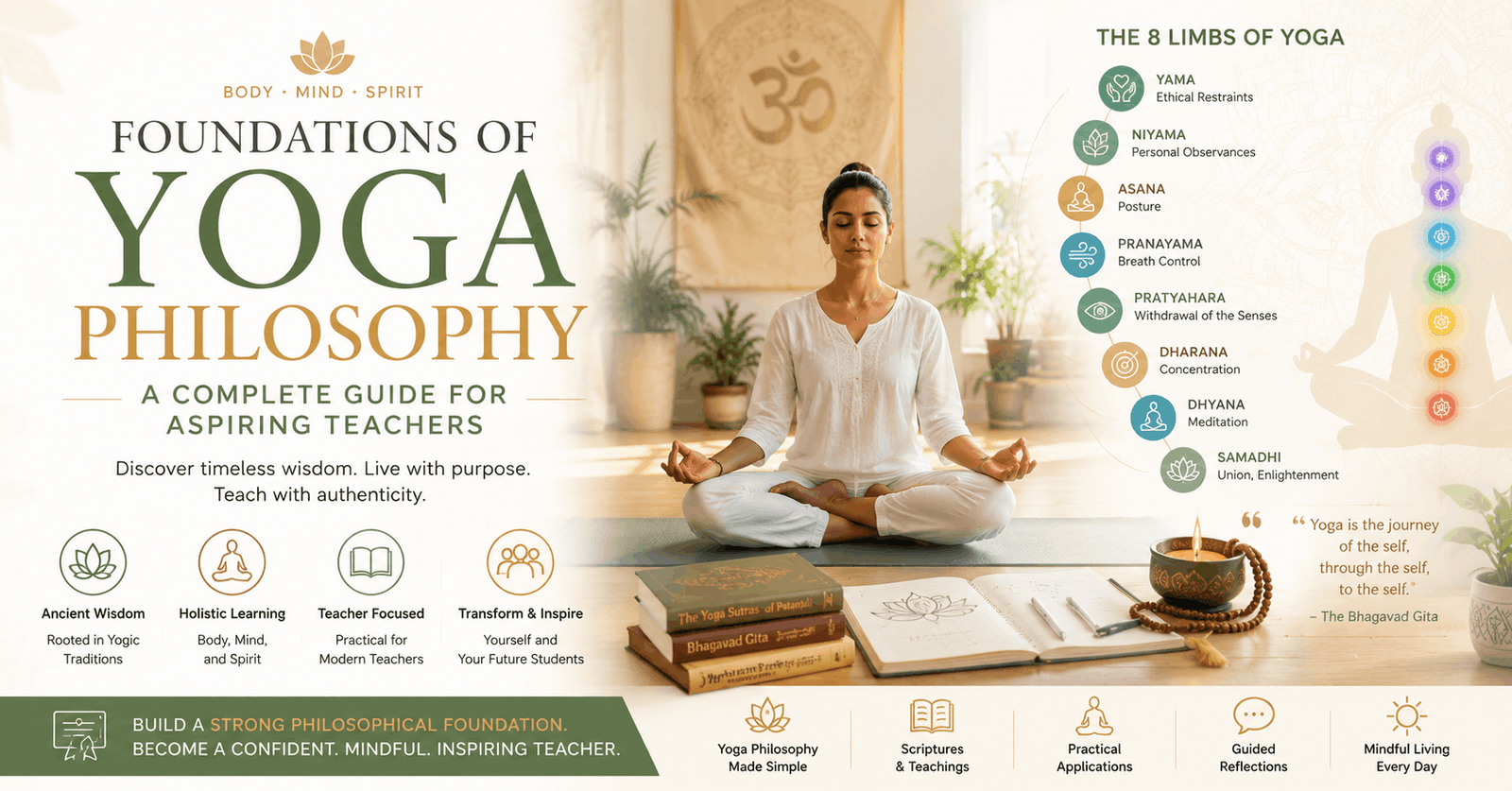
Course Line273£490.00Original price was: £490.00.£14.99Current price is: £14.99.Foundations of Yoga Philosophy: A Complete Guide for Aspiring Teachers
Course Line237£490.00Original price was: £490.00.£14.99Current price is: £14.99.


Related Courses
Email Marketing Mastery: Build, Automate & Optimise High-Converting Campaigns
£490.00Original price was: £490.00.£14.99Current price is: £14.99.237Social Media Marketing Strategy: Build, Plan & Grow Your Business Online
£490.00Original price was: £490.00.£14.99Current price is: £14.99.237C++ Programming for Beginners: From Zero to AI-Ready Developer
£490.00Original price was: £490.00.£14.99Current price is: £14.99.237




Related Courses
Email Marketing Mastery: Build, Automate & Optimise High-Converting Campaigns
£490.00Original price was: £490.00.£14.99Current price is: £14.99.237Social Media Marketing Strategy: Build, Plan & Grow Your Business Online
£490.00Original price was: £490.00.£14.99Current price is: £14.99.237C++ Programming for Beginners: From Zero to AI-Ready Developer
£490.00Original price was: £490.00.£14.99Current price is: £14.99.237

