
Course Features
Price
Study Method
Online | Self-paced
Course Format
Interactive PDFs, Articles & Learning Resources
Duration
21 hours, 15 minutes
Qualification
Professional Skills Development Course
Assessment
Final MCQ Exam (included in price)
Certificate
Verifiable Digital Certificate - Free
Additional info
Lifetime Access | Start Instantly
- Share

Overview
Python Programming Course training provides a structured, beginner-friendly route from writing your first lines of code to developing a complete programming project. Designed for learners with little or no previous Python experience, the course combines clear explanations, guided practice and code-along exercises to help build a reliable foundation in one of the world’s most widely used programming languages.
The learning journey begins with environment setup, including Anaconda, Python environments, Jupyter Notebooks and Google Colab. Learners then develop essential programming knowledge through calculations, built-in functions and core data types such as integers, floats, strings and Booleans. Variables, type conversion, comparison operators, logical operators and operator precedence are introduced through practical exercises that reinforce understanding.
As the course progresses, learners explore Python strings in greater depth, including indexing, slicing, formatting and commonly used methods. Dedicated sections on lists, dictionaries, sets and tuples help students understand how different data structures can be created, modified and applied. Control flow is then introduced through conditional statements, for loops, while loops, list comprehensions and useful functions such as enumerate() and range().
The course also develops practical skills in file and directory management. Learners explore reading and writing files, working with paths and handling JSON data. Functions are covered in detail, including arguments, scope, return values, default parameters, *args, **kwargs, nested functions, type hints and docstrings.
Object-oriented programming introduces classes, methods, inheritance and approaches to expanding program functionality. These concepts are then brought together through a substantial RPG game capstone project. Learners follow a structured development process from planning and defining requirements to building and documenting a complete application, providing valuable experience in applying multiple programming concepts within one project.
Flexible online delivery allows students to learn at their own pace and revisit lessons and exercises whenever needed. Students also have access to 5-star rated support available 24/7 through email throughout their learning experience.
Upon successful completion, learners will receive a free course completion certificate. Those who want additional documentation may also choose from multiple premium certificate and transcript options available for purchase.Who is this course for?
Python Programming Course training provides a structured, beginner-friendly route from writing your first lines of code to developing a complete programming project. Designed for learners with little or no previous Python experience, the course combines clear explanations, guided practice and code-along exercises to help build a reliable foundation in one of the world’s most widely used programming languages.
The learning journey begins with environment setup, including Anaconda, Python environments, Jupyter Notebooks and Google Colab. Learners then develop essential programming knowledge through calculations, built-in functions and core data types such as integers, floats, strings and Booleans. Variables, type conversion, comparison operators, logical operators and operator precedence are introduced through practical exercises that reinforce understanding.
As the course progresses, learners explore Python strings in greater depth, including indexing, slicing, formatting and commonly used methods. Dedicated sections on lists, dictionaries, sets and tuples help students understand how different data structures can be created, modified and applied. Control flow is then introduced through conditional statements, for loops, while loops, list comprehensions and useful functions such as enumerate() and range().
The course also develops practical skills in file and directory management. Learners explore reading and writing files, working with paths and handling JSON data. Functions are covered in detail, including arguments, scope, return values, default parameters, *args, **kwargs, nested functions, type hints and docstrings.
Object-oriented programming introduces classes, methods, inheritance and approaches to expanding program functionality. These concepts are then brought together through a substantial RPG game capstone project. Learners follow a structured development process from planning and defining requirements to building and documenting a complete application, providing valuable experience in applying multiple programming concepts within one project.
Flexible online delivery allows students to learn at their own pace and revisit lessons and exercises whenever needed. Students also have access to 5-star rated support available 24/7 through email throughout their learning experience.
Upon successful completion, learners will receive a free course completion certificate. Those who want additional documentation may also choose from multiple premium certificate and transcript options available for purchase.Requirements
Python Programming Course training provides a structured, beginner-friendly route from writing your first lines of code to developing a complete programming project. Designed for learners with little or no previous Python experience, the course combines clear explanations, guided practice and code-along exercises to help build a reliable foundation in one of the world’s most widely used programming languages.
The learning journey begins with environment setup, including Anaconda, Python environments, Jupyter Notebooks and Google Colab. Learners then develop essential programming knowledge through calculations, built-in functions and core data types such as integers, floats, strings and Booleans. Variables, type conversion, comparison operators, logical operators and operator precedence are introduced through practical exercises that reinforce understanding.
As the course progresses, learners explore Python strings in greater depth, including indexing, slicing, formatting and commonly used methods. Dedicated sections on lists, dictionaries, sets and tuples help students understand how different data structures can be created, modified and applied. Control flow is then introduced through conditional statements, for loops, while loops, list comprehensions and useful functions such as enumerate() and range().
The course also develops practical skills in file and directory management. Learners explore reading and writing files, working with paths and handling JSON data. Functions are covered in detail, including arguments, scope, return values, default parameters, *args, **kwargs, nested functions, type hints and docstrings.
Object-oriented programming introduces classes, methods, inheritance and approaches to expanding program functionality. These concepts are then brought together through a substantial RPG game capstone project. Learners follow a structured development process from planning and defining requirements to building and documenting a complete application, providing valuable experience in applying multiple programming concepts within one project.
Flexible online delivery allows students to learn at their own pace and revisit lessons and exercises whenever needed. Students also have access to 5-star rated support available 24/7 through email throughout their learning experience.
Upon successful completion, learners will receive a free course completion certificate. Those who want additional documentation may also choose from multiple premium certificate and transcript options available for purchase.Career path
Python Programming Course training provides a structured, beginner-friendly route from writing your first lines of code to developing a complete programming project. Designed for learners with little or no previous Python experience, the course combines clear explanations, guided practice and code-along exercises to help build a reliable foundation in one of the world’s most widely used programming languages.
The learning journey begins with environment setup, including Anaconda, Python environments, Jupyter Notebooks and Google Colab. Learners then develop essential programming knowledge through calculations, built-in functions and core data types such as integers, floats, strings and Booleans. Variables, type conversion, comparison operators, logical operators and operator precedence are introduced through practical exercises that reinforce understanding.
As the course progresses, learners explore Python strings in greater depth, including indexing, slicing, formatting and commonly used methods. Dedicated sections on lists, dictionaries, sets and tuples help students understand how different data structures can be created, modified and applied. Control flow is then introduced through conditional statements, for loops, while loops, list comprehensions and useful functions such as enumerate() and range().
The course also develops practical skills in file and directory management. Learners explore reading and writing files, working with paths and handling JSON data. Functions are covered in detail, including arguments, scope, return values, default parameters, *args, **kwargs, nested functions, type hints and docstrings.
Object-oriented programming introduces classes, methods, inheritance and approaches to expanding program functionality. These concepts are then brought together through a substantial RPG game capstone project. Learners follow a structured development process from planning and defining requirements to building and documenting a complete application, providing valuable experience in applying multiple programming concepts within one project.
Flexible online delivery allows students to learn at their own pace and revisit lessons and exercises whenever needed. Students also have access to 5-star rated support available 24/7 through email throughout their learning experience.
Upon successful completion, learners will receive a free course completion certificate. Those who want additional documentation may also choose from multiple premium certificate and transcript options available for purchase.-
- Welcome and Course Overview 00:10:00
- Installing Anaconda & Setting Up Python Environment 00:10:00
- Creating Python Environments & Jupyter Notebooks Setup 00:10:00
- Navigating Jupyter Notebook & Folder Structure 00:10:00
- Loading Preconfigured Environments with Yaml 00:10:00
- Using Google Colab for Python Development 00:10:00
-
- Getting Started with Jupyter Notebook 00:10:00
- Basic Math Operations in Python 00:10:00
- Using Built-in Math Functions 00:10:00
- Understanding Python Data Types: Integers 00:10:00
- Using External Libraries for Data Types 00:10:00
- String Data Type Fundamentals 00:10:00
- Boolean Data Types Explained 00:10:00
- Practice Exercises & Walkthrough 00:10:00
- Code Along: Python Calculator & Data Types Exercises 00:10:00
- Data Type Conversion: Int & Float 00:10:00
- Converting Strings and Booleans 00:10:00
- Understanding Variables in Python 00:10:00
- Performing Calculations with Variables 00:10:00
- Comparison Operators in Python 00:10:00
- Logical Operators: AND, OR, NOT 00:10:00
- Operator Precedence and Order of Operations 00:10:00
- Identity Operators Explained 00:10:00
- Practice Exercises with Solutions 00:10:00
- Hands-on Exercises in Your Environment 00:10:00
- Code Along: Variable & Operators Exercises 00:10:00
- Built-in Functions & Keyword Arguments 00:10:00
- Using Python Libraries: math.ceil and More 00:10:00
- Exploring Python’s math Library Functions 00:10:00
- Practice Exercises with Solutions 00:10:00
- Code Along: Number Handling Exercises 00:10:00
- Creating Python Dictionaries 00:10:00
- Accessing Dictionary Items 00:10:00
- Adding and Updating Entries 00:10:00
- Modifying Dictionary Elements 00:10:00
- Removing Dictionary Entries 00:10:00
- Practice Exercises with Walkthrough 00:10:00
- Code Along: Dictionary Exercises 00:10:00
- Assessing Your Python Learning Progress 00:10:00
- Working with Directories 00:10:00
- Creating, Listing, and Deleting Files and Folders 00:10:00
- Opening Files: Relative & Absolute Paths 00:10:00
- Reading from Files 00:10:00
- Writing to Files 00:10:00
- Saving Dictionaries as JSON 00:10:00
- Loading JSON Data into Python 00:10:00
- Practice Exercises Walkthrough 00:10:00
- Code Along: File Handling Exercises 00:10:00
- Introduction to OOP Concepts 00:10:00
- The init Method Explained 00:10:00
- Adding Methods to Classes 00:10:00
- Expanding Class Functionality 00:10:00
- Error Handling in Methods 00:10:00
- Composing Methods Together 00:10:00
- Introduction to Inheritance 00:10:00
- Extending Classes with Inheritance 00:10:00
- Thank You & Next Steps 00:10:00
- Premium Certificate 00:15:00

No Reviews found for this course.
Is this certificate recognized?
Yes, our premium certificate and transcript are widely recognized and accepted by embassies worldwide, particularly by the UK embassy. This adds credibility to your qualification and enhances its value for professional and academic purposes.
I am a beginner. Is this course suitable for me?
Yes, this course is designed for learners of all levels, including beginners. The content is structured to provide step-by-step guidance, ensuring that even those with no prior experience can follow along and gain valuable knowledge.
I am a professional. Is this course suitable for me?
Yes, professionals will also benefit from this course. It covers advanced concepts, practical applications, and industry insights that can help enhance existing skills and knowledge. Whether you are looking to refine your expertise or expand your qualifications, this course provides valuable learning.
Does this course have an expiry date?
No, you have lifetime access to the course. Once enrolled, you can revisit the materials at any time as long as the course remains available. Additionally, we regularly update our content to ensure it stays relevant and up to date.
How do I claim my free certificate?
I trust you’re in good health. Your free certificate can be located in the Achievement section. The option to purchase a CPD certificate is available but entirely optional, and you may choose to skip it. Please be aware that it’s crucial to click the “Complete” button to ensure the certificate is generated, as this process is entirely automated.
Does this course have assessments and assignments?
Yes, the course includes both assessments and assignments. Your final marks will be determined by a combination of 20% from assignments and 80% from assessments. These evaluations are designed to test your understanding and ensure you have grasped the key concepts effectively.
Is this course accredited?
We are a recognized course provider with CPD, UKRLP, and AOHT membership. The logos of these accreditation bodies will be featured on your premium certificate and transcript, ensuring credibility and professional recognition.
Will I receive a certificate upon completion?
Yes, you will receive a free digital certificate automatically once you complete the course. If you would like a premium CPD-accredited certificate, either in digital or physical format, you can upgrade for a small fee.
Course Features
Price
Study Method
Online | Self-paced
Course Format
Interactive PDFs, Articles & Learning Resources
Duration
21 hours, 15 minutes
Qualification
Professional Skills Development Course
Assessment
Final MCQ Exam (included in price)
Certificate
Verifiable Digital Certificate - Free
Additional info
Lifetime Access | Start Instantly
- Share

Wedding Photography Mastery: Tips, Tricks & Creative Ideas for Stunning Photos
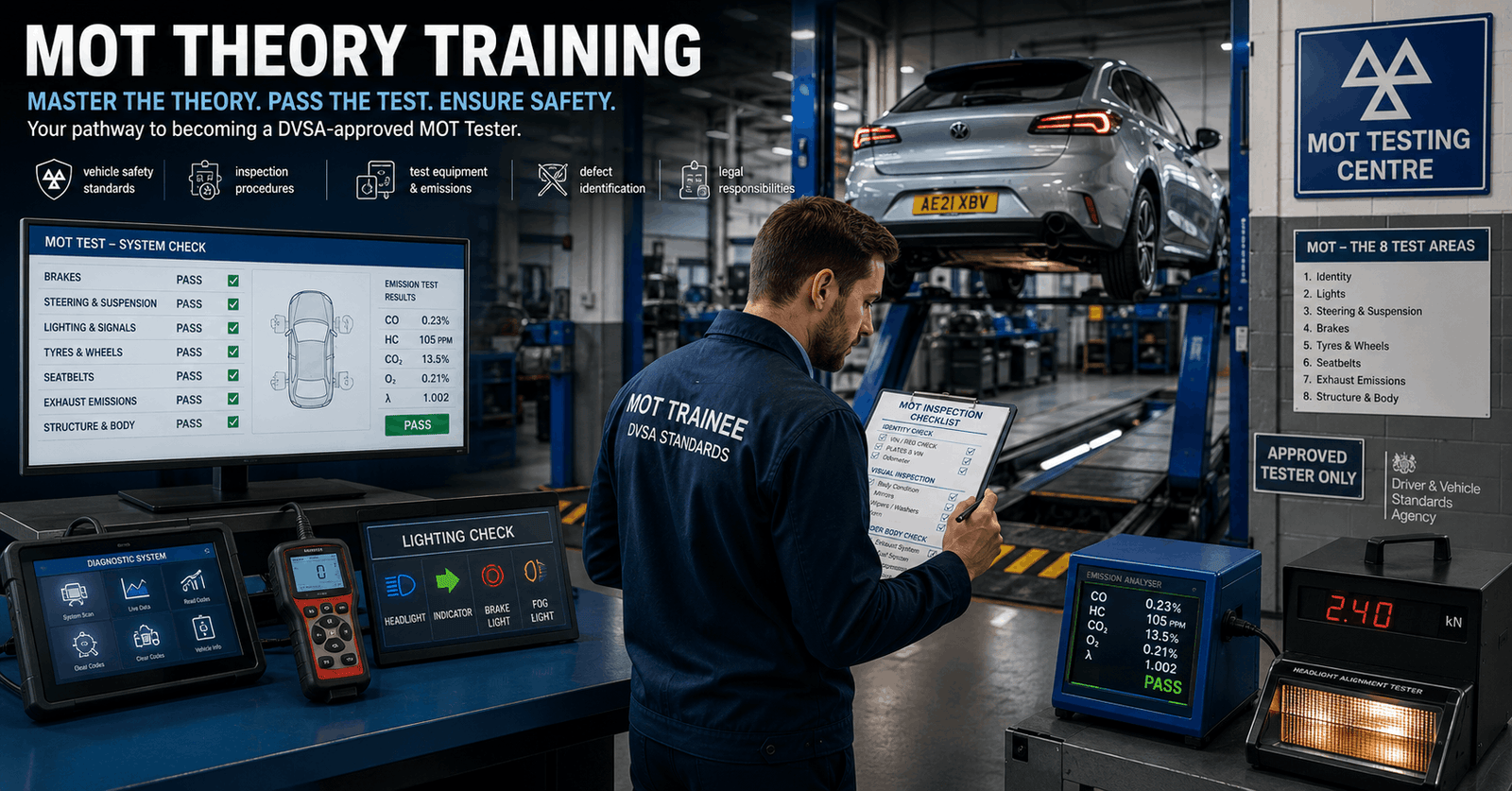
Course Line238$655.23Original price was: $655.23.$20.04Current price is: $20.04.IMI: MOT Testing Theory Preparation (Level 2 Awareness)
Course Line237$655.23Original price was: $655.23.$20.04Current price is: $20.04.Plant Pathology Level 3 Advanced Diploma
Course Line237$655.23Original price was: $655.23.$20.04Current price is: $20.04.


Related Courses
PRINCE2 in Practice: Simulated Projects & Case Studies
$655.23Original price was: $655.23.$20.04Current price is: $20.04.237PRINCE2 for Beginners: An Introduction to Project Governance
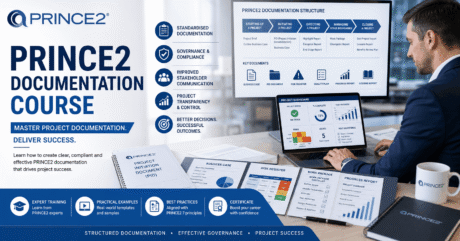
$655.23Original price was: $655.23.$20.04Current price is: $20.04.237PRINCE2 Project Documentation: Templates & Best Practice
$655.23Original price was: $655.23.$20.04Current price is: $20.04.237
Related Courses
PRINCE2 in Practice: Simulated Projects & Case Studies
$655.23Original price was: $655.23.$20.04Current price is: $20.04.237PRINCE2 for Beginners: An Introduction to Project Governance
$655.23Original price was: $655.23.$20.04Current price is: $20.04.237PRINCE2 Project Documentation: Templates & Best Practice
$655.23Original price was: $655.23.$20.04Current price is: $20.04.237

