
Course Features
Price
Study Method
Online | Self-paced
Course Format
Interactive PDFs, Articles & Learning Resources
Duration
16 hours, 5 minutes
Qualification
Professional Skills Development Course
Assessment
Final MCQ Exam (included in price)
Certificate
Verifiable Digital Certificate - Free
Additional info
Lifetime Access | Start Instantly
- Share
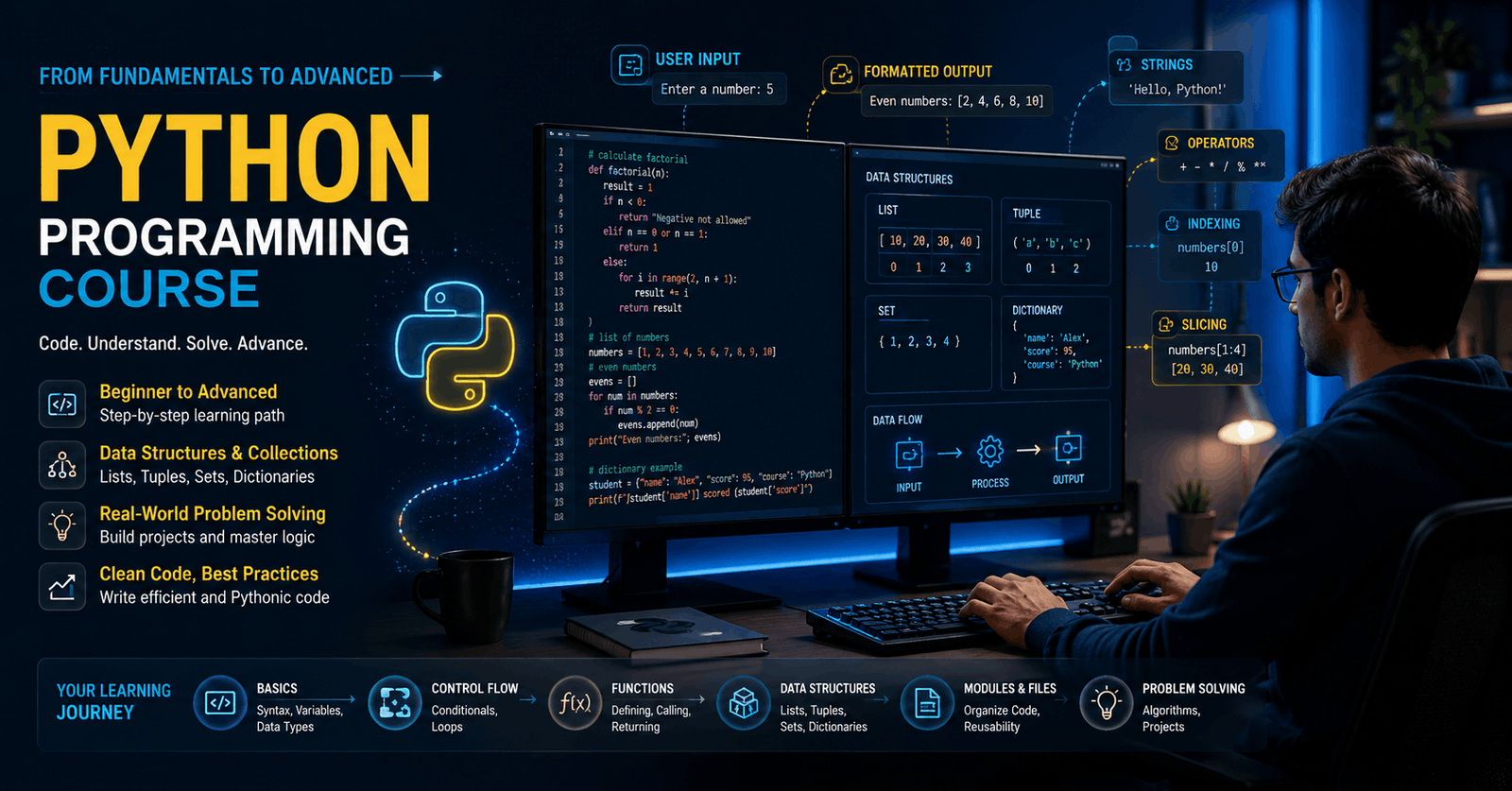
Overview
Python Programming Course training provides a structured learning path for developing essential coding skills, progressing from fundamental language concepts to more advanced work with Python’s core data structures. Designed to build knowledge step by step, the course helps learners understand how Python programs process information, make decisions, repeat tasks and organise different types of data.
You will begin by exploring Python’s key features, identifiers, keywords and built-in data types. The course introduces integers, floating-point numbers, complex numbers, Boolean values, strings, lists, tuples, bytes, NoneType, frozen sets, ranges and dictionaries. This broad foundation helps you recognise how different forms of information are represented and selected for specific programming tasks.
The next stage focuses on operators, including arithmetic, relational, equality, logical, bitwise, assignment and conditional operators. You will also explore input and output techniques, multiple user inputs, command-line arguments and formatted printing. These skills help you create programs that accept information, perform operations and communicate results clearly.
Control flow lessons develop your ability to manage program behaviour through conditional statements, for and while loops, nested loops, and break, continue and pass statements. You will then examine string handling in greater depth, including indexing, slicing, searching, replacing, splitting, joining, case conversion and formatting.
A substantial part of the course is dedicated to Python’s essential collections. You will learn how to create, access and modify lists, work with nested structures and use list comprehensions. Separate sections explore tuple operations and unpacking, set operations and comprehensions, and dictionary creation, updating, deletion and built-in functionality. These topics can strengthen your ability to organise and manipulate data efficiently.
By completing the course, you can develop greater confidence in reading and writing Python code, applying programming logic and selecting appropriate data structures for different problems. This foundation can support continued learning in software development, automation, data analysis and other Python-based fields.
Learners will receive a free course completion certificate after successfully completing the course. Multiple premium certificate and transcript options are also available for purchase if they wish. Students also have access to our 5-star rated support, available 24/7 through email, throughout their learning journey.Who is this course for?
Python Programming Course training provides a structured learning path for developing essential coding skills, progressing from fundamental language concepts to more advanced work with Python’s core data structures. Designed to build knowledge step by step, the course helps learners understand how Python programs process information, make decisions, repeat tasks and organise different types of data.
You will begin by exploring Python’s key features, identifiers, keywords and built-in data types. The course introduces integers, floating-point numbers, complex numbers, Boolean values, strings, lists, tuples, bytes, NoneType, frozen sets, ranges and dictionaries. This broad foundation helps you recognise how different forms of information are represented and selected for specific programming tasks.
The next stage focuses on operators, including arithmetic, relational, equality, logical, bitwise, assignment and conditional operators. You will also explore input and output techniques, multiple user inputs, command-line arguments and formatted printing. These skills help you create programs that accept information, perform operations and communicate results clearly.
Control flow lessons develop your ability to manage program behaviour through conditional statements, for and while loops, nested loops, and break, continue and pass statements. You will then examine string handling in greater depth, including indexing, slicing, searching, replacing, splitting, joining, case conversion and formatting.
A substantial part of the course is dedicated to Python’s essential collections. You will learn how to create, access and modify lists, work with nested structures and use list comprehensions. Separate sections explore tuple operations and unpacking, set operations and comprehensions, and dictionary creation, updating, deletion and built-in functionality. These topics can strengthen your ability to organise and manipulate data efficiently.
By completing the course, you can develop greater confidence in reading and writing Python code, applying programming logic and selecting appropriate data structures for different problems. This foundation can support continued learning in software development, automation, data analysis and other Python-based fields.
Learners will receive a free course completion certificate after successfully completing the course. Multiple premium certificate and transcript options are also available for purchase if they wish. Students also have access to our 5-star rated support, available 24/7 through email, throughout their learning journey.Requirements
Python Programming Course training provides a structured learning path for developing essential coding skills, progressing from fundamental language concepts to more advanced work with Python’s core data structures. Designed to build knowledge step by step, the course helps learners understand how Python programs process information, make decisions, repeat tasks and organise different types of data.
You will begin by exploring Python’s key features, identifiers, keywords and built-in data types. The course introduces integers, floating-point numbers, complex numbers, Boolean values, strings, lists, tuples, bytes, NoneType, frozen sets, ranges and dictionaries. This broad foundation helps you recognise how different forms of information are represented and selected for specific programming tasks.
The next stage focuses on operators, including arithmetic, relational, equality, logical, bitwise, assignment and conditional operators. You will also explore input and output techniques, multiple user inputs, command-line arguments and formatted printing. These skills help you create programs that accept information, perform operations and communicate results clearly.
Control flow lessons develop your ability to manage program behaviour through conditional statements, for and while loops, nested loops, and break, continue and pass statements. You will then examine string handling in greater depth, including indexing, slicing, searching, replacing, splitting, joining, case conversion and formatting.
A substantial part of the course is dedicated to Python’s essential collections. You will learn how to create, access and modify lists, work with nested structures and use list comprehensions. Separate sections explore tuple operations and unpacking, set operations and comprehensions, and dictionary creation, updating, deletion and built-in functionality. These topics can strengthen your ability to organise and manipulate data efficiently.
By completing the course, you can develop greater confidence in reading and writing Python code, applying programming logic and selecting appropriate data structures for different problems. This foundation can support continued learning in software development, automation, data analysis and other Python-based fields.
Learners will receive a free course completion certificate after successfully completing the course. Multiple premium certificate and transcript options are also available for purchase if they wish. Students also have access to our 5-star rated support, available 24/7 through email, throughout their learning journey.Career path
Python Programming Course training provides a structured learning path for developing essential coding skills, progressing from fundamental language concepts to more advanced work with Python’s core data structures. Designed to build knowledge step by step, the course helps learners understand how Python programs process information, make decisions, repeat tasks and organise different types of data.
You will begin by exploring Python’s key features, identifiers, keywords and built-in data types. The course introduces integers, floating-point numbers, complex numbers, Boolean values, strings, lists, tuples, bytes, NoneType, frozen sets, ranges and dictionaries. This broad foundation helps you recognise how different forms of information are represented and selected for specific programming tasks.
The next stage focuses on operators, including arithmetic, relational, equality, logical, bitwise, assignment and conditional operators. You will also explore input and output techniques, multiple user inputs, command-line arguments and formatted printing. These skills help you create programs that accept information, perform operations and communicate results clearly.
Control flow lessons develop your ability to manage program behaviour through conditional statements, for and while loops, nested loops, and break, continue and pass statements. You will then examine string handling in greater depth, including indexing, slicing, searching, replacing, splitting, joining, case conversion and formatting.
A substantial part of the course is dedicated to Python’s essential collections. You will learn how to create, access and modify lists, work with nested structures and use list comprehensions. Separate sections explore tuple operations and unpacking, set operations and comprehensions, and dictionary creation, updating, deletion and built-in functionality. These topics can strengthen your ability to organise and manipulate data efficiently.
By completing the course, you can develop greater confidence in reading and writing Python code, applying programming logic and selecting appropriate data structures for different problems. This foundation can support continued learning in software development, automation, data analysis and other Python-based fields.
Learners will receive a free course completion certificate after successfully completing the course. Multiple premium certificate and transcript options are also available for purchase if they wish. Students also have access to our 5-star rated support, available 24/7 through email, throughout their learning journey.-
- Key Features of Python 00:10:00
- Understanding Identifiers 00:10:00
- Python Keywords Overview 00:10:00
- Data Types in Python – An Overview 00:10:00
- Working with Integer Data Type 00:10:00
- Understanding Float Data Type 00:10:00
- Complex Numbers in Python 00:10:00
- Boolean Data Type 00:10:00
- String Data Type Basics 00:10:00
- Lists and Tuples Explained 00:10:00
- Byte Data Type 00:10:00
- The NoneType in Python 00:10:00
- Frozen Set Data Type 00:10:00
- Range Data Type 00:10:00
- Python Dictionary Data Type 00:10:00
-
- Arithmetic Operators 00:10:00
- Relational Operators 00:10:00
- Equality Operators 00:10:00
- Logical Operators 00:10:00
- Bitwise Operators 00:10:00
- Assignment Operators 00:10:00
- Ternary (Conditional) Operator 00:10:00
- Special Operators in Python 00:10:00
- Introduction to I/O 00:10:00
- Taking User Input 00:10:00
- Handling Multiple Inputs 00:10:00
- Command Line Arguments 00:10:00
- Printing and Output Formatting 00:10:00
- Introduction to Strings 00:10:00
- Indexing and Slicing Strings 00:10:00
- Mathematical Operations with Strings 00:10:00
- Printing Positive and Negative Index Strings 00:10:00
- Membership Operators with Strings 00:10:00
- Stripping Whitespaces 00:10:00
- Finding Index in Strings 00:10:00
- Counting Substrings 00:10:00
- Replacing Substrings 00:10:00
- Splitting and Joining Strings 00:10:00
- Changing String Case 00:10:00
- Startswith and Endswith Methods 00:10:00
- Data Type Checking in Strings 00:10:00
- String Formatting Techniques 00:10:00
- Introduction to Tuples 00:10:00
- Creating Tuples in Different Ways 00:10:00
- Indexing and Slicing Tuples 00:10:00
- Mathematical Operations with Tuples 00:10:00
- Important Tuple Functions 00:10:00
- Packing and Unpacking Tuples 00:10:00
- Tuple Comprehensions (Generator Expressions) 00:10:00
- Differences Between Lists and Tuples 00:10:00
- Introduction to Dictionaries 00:10:00
- Adding, Updating, and Deleting Items 00:10:00
- Creating and Accessing Dictionaries 00:10:00
- Dictionary Built-in Functions 00:10:00
- Dictionary Program Examples 00:10:00
- Dictionary Comprehensions 00:10:00
- Premium Certificate 00:15:00

No Reviews found for this course.
Is this certificate recognized?
Yes, our premium certificate and transcript are widely recognized and accepted by embassies worldwide, particularly by the UK embassy. This adds credibility to your qualification and enhances its value for professional and academic purposes.
I am a beginner. Is this course suitable for me?
Yes, this course is designed for learners of all levels, including beginners. The content is structured to provide step-by-step guidance, ensuring that even those with no prior experience can follow along and gain valuable knowledge.
I am a professional. Is this course suitable for me?
Yes, professionals will also benefit from this course. It covers advanced concepts, practical applications, and industry insights that can help enhance existing skills and knowledge. Whether you are looking to refine your expertise or expand your qualifications, this course provides valuable learning.
Does this course have an expiry date?
No, you have lifetime access to the course. Once enrolled, you can revisit the materials at any time as long as the course remains available. Additionally, we regularly update our content to ensure it stays relevant and up to date.
How do I claim my free certificate?
I trust you’re in good health. Your free certificate can be located in the Achievement section. The option to purchase a CPD certificate is available but entirely optional, and you may choose to skip it. Please be aware that it’s crucial to click the “Complete” button to ensure the certificate is generated, as this process is entirely automated.
Does this course have assessments and assignments?
Yes, the course includes both assessments and assignments. Your final marks will be determined by a combination of 20% from assignments and 80% from assessments. These evaluations are designed to test your understanding and ensure you have grasped the key concepts effectively.
Is this course accredited?
We are a recognized course provider with CPD, UKRLP, and AOHT membership. The logos of these accreditation bodies will be featured on your premium certificate and transcript, ensuring credibility and professional recognition.
Will I receive a certificate upon completion?
Yes, you will receive a free digital certificate automatically once you complete the course. If you would like a premium CPD-accredited certificate, either in digital or physical format, you can upgrade for a small fee.
Course Features
Price
Study Method
Online | Self-paced
Course Format
Interactive PDFs, Articles & Learning Resources
Duration
16 hours, 5 minutes
Qualification
Professional Skills Development Course
Assessment
Final MCQ Exam (included in price)
Certificate
Verifiable Digital Certificate - Free
Additional info
Lifetime Access | Start Instantly
- Share

Soil Science and Management Level 3 Advanced Diploma
Course Line240৳ 80,783.26Original price was: ৳ 80,783.26.৳ 2,471.31Current price is: ৳ 2,471.31.Sports Science Level 3 Advanced Diploma
Course Line246৳ 80,783.26Original price was: ৳ 80,783.26.৳ 2,471.31Current price is: ৳ 2,471.31.Tiling Safety and Best Practices: Avoiding Common Pitfalls
Course Line248৳ 80,783.26Original price was: ৳ 80,783.26.৳ 2,471.31Current price is: ৳ 2,471.31.



Related Courses
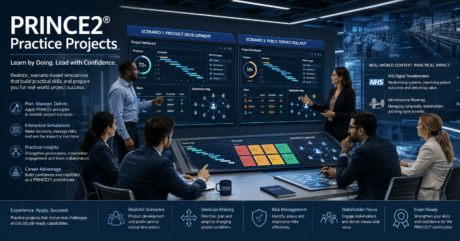
PRINCE2 in Practice: Simulated Projects & Case Studies
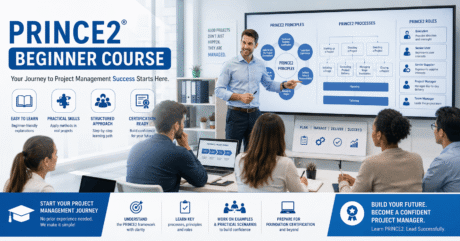
৳ 80,783.26Original price was: ৳ 80,783.26.৳ 2,471.31Current price is: ৳ 2,471.31.237PRINCE2 for Beginners: An Introduction to Project Governance
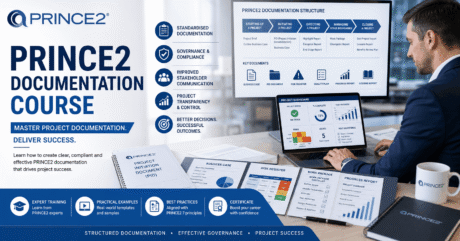
৳ 80,783.26Original price was: ৳ 80,783.26.৳ 2,471.31Current price is: ৳ 2,471.31.237PRINCE2 Project Documentation: Templates & Best Practice
৳ 80,783.26Original price was: ৳ 80,783.26.৳ 2,471.31Current price is: ৳ 2,471.31.237
Related Courses
PRINCE2 in Practice: Simulated Projects & Case Studies
৳ 80,783.26Original price was: ৳ 80,783.26.৳ 2,471.31Current price is: ৳ 2,471.31.237PRINCE2 for Beginners: An Introduction to Project Governance
৳ 80,783.26Original price was: ৳ 80,783.26.৳ 2,471.31Current price is: ৳ 2,471.31.237PRINCE2 Project Documentation: Templates & Best Practice
৳ 80,783.26Original price was: ৳ 80,783.26.৳ 2,471.31Current price is: ৳ 2,471.31.237

