
Course Features
Price
Study Method
Online | Self-paced
Course Format
Reading Material - PDF, article
Duration
3 hours, 35 minutes
Qualification
No formal qualification
Certificate
At completion
Additional info
Coming soon
- Share
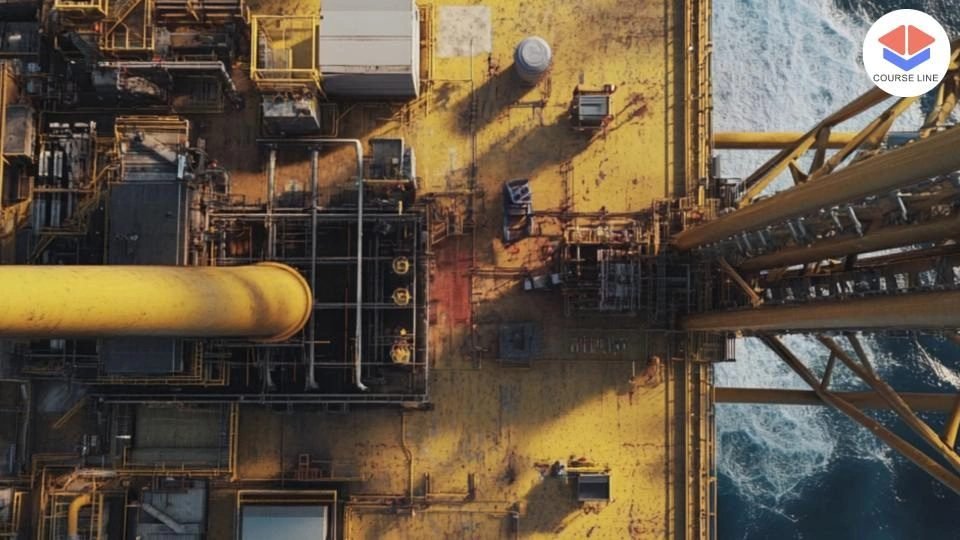
Overview
The Offshore Engineering Level 3 Advanced Diploma is an industry-relevant course designed to introduce learners to the core concepts, technologies, and environmental considerations essential to offshore engineering. As offshore energy production continues to grow in importance globally, there is a rising demand for professionals who understand the complexities of working in marine environments. This course offers a comprehensive look into the engineering systems that support offshore oil, gas, and renewable energy operations.
Beginning with an overview of offshore engineering, learners are introduced to the structure and function of offshore platforms, subsea systems, and key engineering components. The course also highlights safety protocols and regulatory frameworks that govern offshore operations, ensuring compliance with national and international standards.
The second module focuses on marine technology fundamentals, including the properties of marine materials, corrosion mechanisms, and cutting-edge underwater technologies. Students will understand the importance of selecting appropriate materials and protection techniques to combat harsh offshore conditions.
A significant section of the course is dedicated to oil and gas exploration. Learners will study various exploration techniques, delve into the basics of reservoir engineering, and explore the architecture of offshore production facilities. These lessons provide critical insights into the technical and operational aspects of offshore resource extraction.
Environmental stewardship is a key theme throughout the course. One module is entirely dedicated to examining the environmental challenges posed by offshore operations and the strategies used to promote sustainable practices. Learners will explore the environmental regulations and innovative solutions that support greener offshore projects.
The course also includes essential training in project management. Students will learn how to plan, execute, and oversee offshore engineering projects efficiently. Real-world case studies are included to enhance practical understanding and prepare learners for on-site challenges.
Finally, the course concludes with an exploration of emerging technologies in offshore engineering. Students will discover the latest innovations—from autonomous underwater vehicles (AUVs) to digital twins—and examine the future trends shaping this dynamic industry.
Whether you aim to join the offshore oil and gas industry or work with marine renewable energy systems, this course provides the technical foundation and contextual knowledge to kickstart your journey.
Who is this course for?
The Offshore Engineering Level 3 Advanced Diploma is an industry-relevant course designed to introduce learners to the core concepts, technologies, and environmental considerations essential to offshore engineering. As offshore energy production continues to grow in importance globally, there is a rising demand for professionals who understand the complexities of working in marine environments. This course offers a comprehensive look into the engineering systems that support offshore oil, gas, and renewable energy operations.
Beginning with an overview of offshore engineering, learners are introduced to the structure and function of offshore platforms, subsea systems, and key engineering components. The course also highlights safety protocols and regulatory frameworks that govern offshore operations, ensuring compliance with national and international standards.
The second module focuses on marine technology fundamentals, including the properties of marine materials, corrosion mechanisms, and cutting-edge underwater technologies. Students will understand the importance of selecting appropriate materials and protection techniques to combat harsh offshore conditions.
A significant section of the course is dedicated to oil and gas exploration. Learners will study various exploration techniques, delve into the basics of reservoir engineering, and explore the architecture of offshore production facilities. These lessons provide critical insights into the technical and operational aspects of offshore resource extraction.
Environmental stewardship is a key theme throughout the course. One module is entirely dedicated to examining the environmental challenges posed by offshore operations and the strategies used to promote sustainable practices. Learners will explore the environmental regulations and innovative solutions that support greener offshore projects.
The course also includes essential training in project management. Students will learn how to plan, execute, and oversee offshore engineering projects efficiently. Real-world case studies are included to enhance practical understanding and prepare learners for on-site challenges.
Finally, the course concludes with an exploration of emerging technologies in offshore engineering. Students will discover the latest innovations—from autonomous underwater vehicles (AUVs) to digital twins—and examine the future trends shaping this dynamic industry.
Whether you aim to join the offshore oil and gas industry or work with marine renewable energy systems, this course provides the technical foundation and contextual knowledge to kickstart your journey.
Requirements
The Offshore Engineering Level 3 Advanced Diploma is an industry-relevant course designed to introduce learners to the core concepts, technologies, and environmental considerations essential to offshore engineering. As offshore energy production continues to grow in importance globally, there is a rising demand for professionals who understand the complexities of working in marine environments. This course offers a comprehensive look into the engineering systems that support offshore oil, gas, and renewable energy operations.
Beginning with an overview of offshore engineering, learners are introduced to the structure and function of offshore platforms, subsea systems, and key engineering components. The course also highlights safety protocols and regulatory frameworks that govern offshore operations, ensuring compliance with national and international standards.
The second module focuses on marine technology fundamentals, including the properties of marine materials, corrosion mechanisms, and cutting-edge underwater technologies. Students will understand the importance of selecting appropriate materials and protection techniques to combat harsh offshore conditions.
A significant section of the course is dedicated to oil and gas exploration. Learners will study various exploration techniques, delve into the basics of reservoir engineering, and explore the architecture of offshore production facilities. These lessons provide critical insights into the technical and operational aspects of offshore resource extraction.
Environmental stewardship is a key theme throughout the course. One module is entirely dedicated to examining the environmental challenges posed by offshore operations and the strategies used to promote sustainable practices. Learners will explore the environmental regulations and innovative solutions that support greener offshore projects.
The course also includes essential training in project management. Students will learn how to plan, execute, and oversee offshore engineering projects efficiently. Real-world case studies are included to enhance practical understanding and prepare learners for on-site challenges.
Finally, the course concludes with an exploration of emerging technologies in offshore engineering. Students will discover the latest innovations—from autonomous underwater vehicles (AUVs) to digital twins—and examine the future trends shaping this dynamic industry.
Whether you aim to join the offshore oil and gas industry or work with marine renewable energy systems, this course provides the technical foundation and contextual knowledge to kickstart your journey.
Career path
The Offshore Engineering Level 3 Advanced Diploma is an industry-relevant course designed to introduce learners to the core concepts, technologies, and environmental considerations essential to offshore engineering. As offshore energy production continues to grow in importance globally, there is a rising demand for professionals who understand the complexities of working in marine environments. This course offers a comprehensive look into the engineering systems that support offshore oil, gas, and renewable energy operations.
Beginning with an overview of offshore engineering, learners are introduced to the structure and function of offshore platforms, subsea systems, and key engineering components. The course also highlights safety protocols and regulatory frameworks that govern offshore operations, ensuring compliance with national and international standards.
The second module focuses on marine technology fundamentals, including the properties of marine materials, corrosion mechanisms, and cutting-edge underwater technologies. Students will understand the importance of selecting appropriate materials and protection techniques to combat harsh offshore conditions.
A significant section of the course is dedicated to oil and gas exploration. Learners will study various exploration techniques, delve into the basics of reservoir engineering, and explore the architecture of offshore production facilities. These lessons provide critical insights into the technical and operational aspects of offshore resource extraction.
Environmental stewardship is a key theme throughout the course. One module is entirely dedicated to examining the environmental challenges posed by offshore operations and the strategies used to promote sustainable practices. Learners will explore the environmental regulations and innovative solutions that support greener offshore projects.
The course also includes essential training in project management. Students will learn how to plan, execute, and oversee offshore engineering projects efficiently. Real-world case studies are included to enhance practical understanding and prepare learners for on-site challenges.
Finally, the course concludes with an exploration of emerging technologies in offshore engineering. Students will discover the latest innovations—from autonomous underwater vehicles (AUVs) to digital twins—and examine the future trends shaping this dynamic industry.
Whether you aim to join the offshore oil and gas industry or work with marine renewable energy systems, this course provides the technical foundation and contextual knowledge to kickstart your journey.
-
- Overview of Offshore Engineering 00:10:00
- Offshore Structures and Components 00:10:00
- Safety and Regulations 00:10:00
-
- Basics of Marine Technology 00:10:00
- Marine Materials and Corrosion 00:10:00
- Underwater Technologies 00:10:00
- Exploration Techniques 00:10:00
- Reservoir Engineering 00:10:00
- Offshore Production Facilities 00:10:00
- Project Planning and Execution 00:10:00
- Case Studies and Industry Practices 00:10:00
- Exam of Offshore Engineering Level 3 Advanced Diploma 00:50:00

No Reviews found for this course.
Is this certificate recognized?
Yes, our premium certificate and transcript are widely recognized and accepted by embassies worldwide, particularly by the UK embassy. This adds credibility to your qualification and enhances its value for professional and academic purposes.
I am a beginner. Is this course suitable for me?
Yes, this course is designed for learners of all levels, including beginners. The content is structured to provide step-by-step guidance, ensuring that even those with no prior experience can follow along and gain valuable knowledge.
I am a professional. Is this course suitable for me?
Yes, professionals will also benefit from this course. It covers advanced concepts, practical applications, and industry insights that can help enhance existing skills and knowledge. Whether you are looking to refine your expertise or expand your qualifications, this course provides valuable learning.
Does this course have an expiry date?
No, you have lifetime access to the course. Once enrolled, you can revisit the materials at any time as long as the course remains available. Additionally, we regularly update our content to ensure it stays relevant and up to date.
How do I claim my free certificate?
I trust you’re in good health. Your free certificate can be located in the Achievement section. The option to purchase a CPD certificate is available but entirely optional, and you may choose to skip it. Please be aware that it’s crucial to click the “Complete” button to ensure the certificate is generated, as this process is entirely automated.
Does this course have assessments and assignments?
Yes, the course includes both assessments and assignments. Your final marks will be determined by a combination of 20% from assignments and 80% from assessments. These evaluations are designed to test your understanding and ensure you have grasped the key concepts effectively.
Is this course accredited?
We are a recognized course provider with CPD, UKRLP, and AOHT membership. The logos of these accreditation bodies will be featured on your premium certificate and transcript, ensuring credibility and professional recognition.
Will I receive a certificate upon completion?
Yes, you will receive a free digital certificate automatically once you complete the course. If you would like a premium CPD-accredited certificate, either in digital or physical format, you can upgrade for a small fee.
Course Features
Price
Study Method
Online | Self-paced
Course Format
Reading Material - PDF, article
Duration
3 hours, 35 minutes
Qualification
No formal qualification
Certificate
At completion
Additional info
Coming soon
- Share

Aerospace Engineering Level 8 Advanced Diploma
Course Line242$666.52Original price was: $666.52.$20.39Current price is: $20.39.Google Image SEO Mastery: Massive Growth Marketing Made Easy
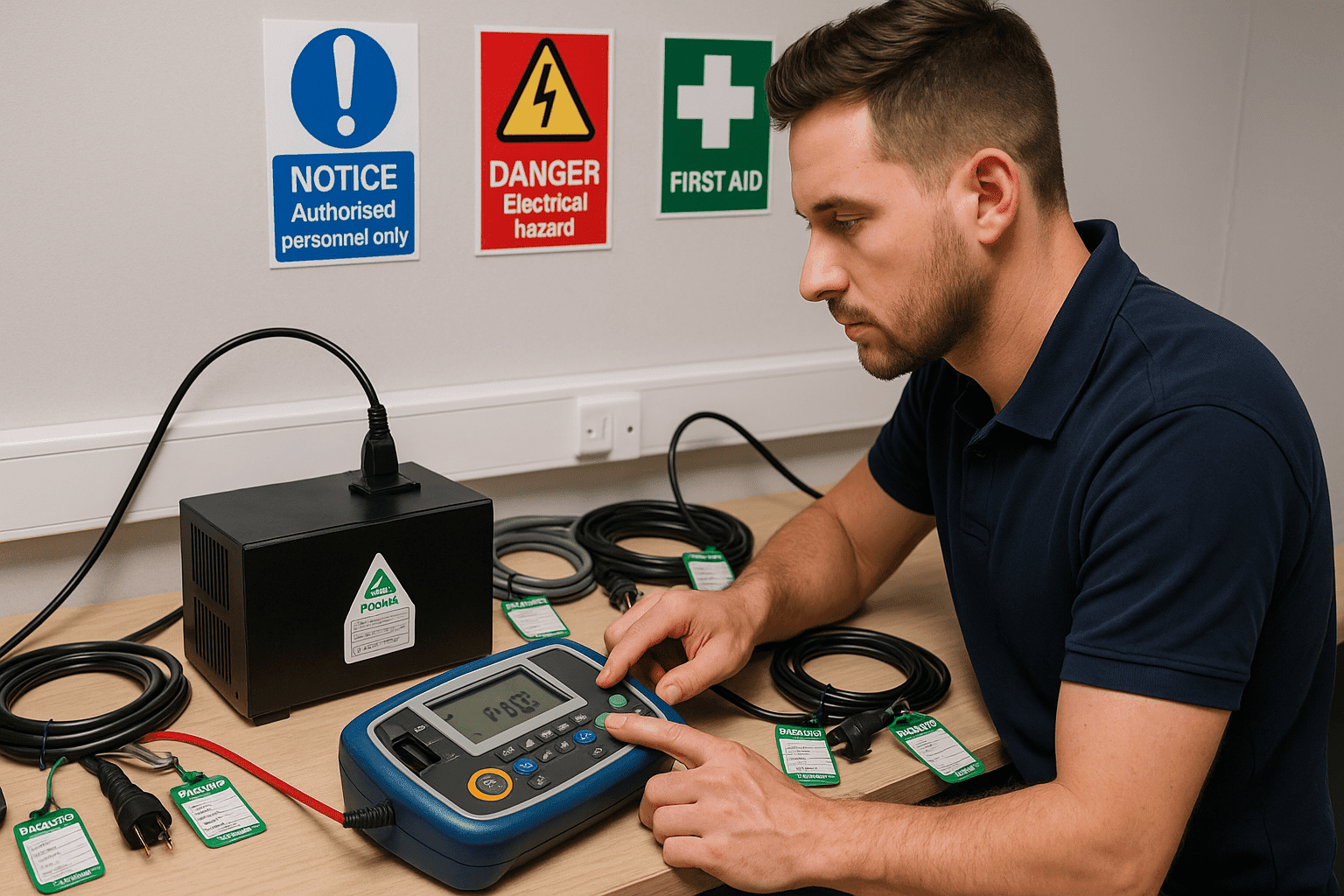
Kazi Shofi Uddin Bablu237$666.52Original price was: $666.52.$20.39Current price is: $20.39.PAT Testing Level 8 Advanced Diploma
Course Line238$666.52Original price was: $666.52.$20.39Current price is: $20.39.


Related Courses
AutoCAD Floor Plan Rendering in Photoshop: Architectural Visualisation Professional Training
$666.52Original price was: $666.52.$20.39Current price is: $20.39.237Engineering Mathematics Level 5 Advanced Diploma
$666.52Original price was: $666.52.$20.39Current price is: $20.39.237Civil Engineering Building Construction Fundamentals: Site, Codes & Quantity Skills
$666.52Original price was: $666.52.$20.39Current price is: $20.39.237



Related Courses
AutoCAD Floor Plan Rendering in Photoshop: Architectural Visualisation Professional Training
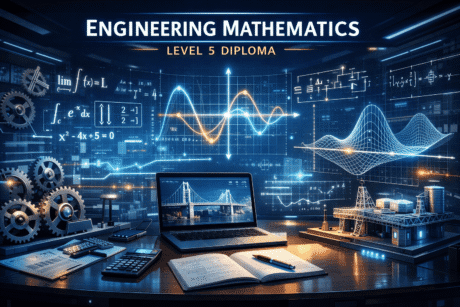
$666.52Original price was: $666.52.$20.39Current price is: $20.39.237Engineering Mathematics Level 5 Advanced Diploma
$666.52Original price was: $666.52.$20.39Current price is: $20.39.237Civil Engineering Building Construction Fundamentals: Site, Codes & Quantity Skills
$666.52Original price was: $666.52.$20.39Current price is: $20.39.237

