
Course Features
Price
Study Method
Online | Self-paced
Course Format
Interactive PDFs, Articles & Learning Resources
Duration
9 hours, 45 minutes
Qualification
Professional Skills Development Course
Assessment
Final MCQ Exam (included in price)
Certificate
Verifiable Digital Certificate - Free
Additional info
Lifetime Access | Start Instantly
- Share

Overview
Networking engineering is the backbone of every modern digital system, and this practical course gives you the skills to understand, design, and analyse how data truly moves across networks. You will start with the foundations of client–server architecture and the OSI model before progressing into how devices communicate at the protocol level. Rather than learning theory in isolation, you will see how IP, ARP, ICMP, UDP, and TCP work together to move information across local and global networks.
Throughout the course, you will explore real packet structures, routing behaviour, and address resolution, using professional tools such as TCPDUMP and Wireshark to capture and inspect live network traffic. This hands-on approach allows you to understand exactly what happens when a device sends a request, a server responds, or a connection is established across the internet. You will also learn how private addressing, NAT, and routing affect everything from cloud platforms to public Wi-Fi networks.
A key focus of the course is performance and reliability. You will examine how flow control, congestion management, and connection states influence application speed and stability. Advanced topics such as MTU, MSS, delayed acknowledgements, proxies, load balancing, and container networking will help you see how networking engineering decisions directly affect backend systems, databases, and user experience.
You will also build working UDP and TCP servers in both Node.js and C, giving you a deep understanding of how protocols behave at the application level. By analysing real network traces, you will gain the confidence to diagnose issues, optimise performance, and communicate effectively with infrastructure teams.
On completion, learners receive a free course completion certificate. For those who need professional recognition, multiple premium certificate and transcript options are also available for purchase. You will also have access to 5-star rated student support available 24/7 via email, ensuring expert help whenever you need it.
This course is designed for software developers, IT professionals, cloud engineers, and students who want to understand how networks really work. It is also ideal for anyone moving into backend development, DevOps, cybersecurity, or systems administration who needs strong, practical networking knowledge.
After completing this course, you can move into roles such as network engineer, backend developer, DevOps engineer, cloud technician, or cybersecurity analyst. The skills also support further study in computer networking, infrastructure management, and performance engineering across enterprise and cloud environments.
Who is this course for?
Networking engineering is the backbone of every modern digital system, and this practical course gives you the skills to understand, design, and analyse how data truly moves across networks. You will start with the foundations of client–server architecture and the OSI model before progressing into how devices communicate at the protocol level. Rather than learning theory in isolation, you will see how IP, ARP, ICMP, UDP, and TCP work together to move information across local and global networks.
Throughout the course, you will explore real packet structures, routing behaviour, and address resolution, using professional tools such as TCPDUMP and Wireshark to capture and inspect live network traffic. This hands-on approach allows you to understand exactly what happens when a device sends a request, a server responds, or a connection is established across the internet. You will also learn how private addressing, NAT, and routing affect everything from cloud platforms to public Wi-Fi networks.
A key focus of the course is performance and reliability. You will examine how flow control, congestion management, and connection states influence application speed and stability. Advanced topics such as MTU, MSS, delayed acknowledgements, proxies, load balancing, and container networking will help you see how networking engineering decisions directly affect backend systems, databases, and user experience.
You will also build working UDP and TCP servers in both Node.js and C, giving you a deep understanding of how protocols behave at the application level. By analysing real network traces, you will gain the confidence to diagnose issues, optimise performance, and communicate effectively with infrastructure teams.
On completion, learners receive a free course completion certificate. For those who need professional recognition, multiple premium certificate and transcript options are also available for purchase. You will also have access to 5-star rated student support available 24/7 via email, ensuring expert help whenever you need it.
This course is designed for software developers, IT professionals, cloud engineers, and students who want to understand how networks really work. It is also ideal for anyone moving into backend development, DevOps, cybersecurity, or systems administration who needs strong, practical networking knowledge.
After completing this course, you can move into roles such as network engineer, backend developer, DevOps engineer, cloud technician, or cybersecurity analyst. The skills also support further study in computer networking, infrastructure management, and performance engineering across enterprise and cloud environments.
Requirements
Networking engineering is the backbone of every modern digital system, and this practical course gives you the skills to understand, design, and analyse how data truly moves across networks. You will start with the foundations of client–server architecture and the OSI model before progressing into how devices communicate at the protocol level. Rather than learning theory in isolation, you will see how IP, ARP, ICMP, UDP, and TCP work together to move information across local and global networks.
Throughout the course, you will explore real packet structures, routing behaviour, and address resolution, using professional tools such as TCPDUMP and Wireshark to capture and inspect live network traffic. This hands-on approach allows you to understand exactly what happens when a device sends a request, a server responds, or a connection is established across the internet. You will also learn how private addressing, NAT, and routing affect everything from cloud platforms to public Wi-Fi networks.
A key focus of the course is performance and reliability. You will examine how flow control, congestion management, and connection states influence application speed and stability. Advanced topics such as MTU, MSS, delayed acknowledgements, proxies, load balancing, and container networking will help you see how networking engineering decisions directly affect backend systems, databases, and user experience.
You will also build working UDP and TCP servers in both Node.js and C, giving you a deep understanding of how protocols behave at the application level. By analysing real network traces, you will gain the confidence to diagnose issues, optimise performance, and communicate effectively with infrastructure teams.
On completion, learners receive a free course completion certificate. For those who need professional recognition, multiple premium certificate and transcript options are also available for purchase. You will also have access to 5-star rated student support available 24/7 via email, ensuring expert help whenever you need it.
This course is designed for software developers, IT professionals, cloud engineers, and students who want to understand how networks really work. It is also ideal for anyone moving into backend development, DevOps, cybersecurity, or systems administration who needs strong, practical networking knowledge.
After completing this course, you can move into roles such as network engineer, backend developer, DevOps engineer, cloud technician, or cybersecurity analyst. The skills also support further study in computer networking, infrastructure management, and performance engineering across enterprise and cloud environments.
Career path
Networking engineering is the backbone of every modern digital system, and this practical course gives you the skills to understand, design, and analyse how data truly moves across networks. You will start with the foundations of client–server architecture and the OSI model before progressing into how devices communicate at the protocol level. Rather than learning theory in isolation, you will see how IP, ARP, ICMP, UDP, and TCP work together to move information across local and global networks.
Throughout the course, you will explore real packet structures, routing behaviour, and address resolution, using professional tools such as TCPDUMP and Wireshark to capture and inspect live network traffic. This hands-on approach allows you to understand exactly what happens when a device sends a request, a server responds, or a connection is established across the internet. You will also learn how private addressing, NAT, and routing affect everything from cloud platforms to public Wi-Fi networks.
A key focus of the course is performance and reliability. You will examine how flow control, congestion management, and connection states influence application speed and stability. Advanced topics such as MTU, MSS, delayed acknowledgements, proxies, load balancing, and container networking will help you see how networking engineering decisions directly affect backend systems, databases, and user experience.
You will also build working UDP and TCP servers in both Node.js and C, giving you a deep understanding of how protocols behave at the application level. By analysing real network traces, you will gain the confidence to diagnose issues, optimise performance, and communicate effectively with infrastructure teams.
On completion, learners receive a free course completion certificate. For those who need professional recognition, multiple premium certificate and transcript options are also available for purchase. You will also have access to 5-star rated student support available 24/7 via email, ensuring expert help whenever you need it.
This course is designed for software developers, IT professionals, cloud engineers, and students who want to understand how networks really work. It is also ideal for anyone moving into backend development, DevOps, cybersecurity, or systems administration who needs strong, practical networking knowledge.
After completing this course, you can move into roles such as network engineer, backend developer, DevOps engineer, cloud technician, or cybersecurity analyst. The skills also support further study in computer networking, infrastructure management, and performance engineering across enterprise and cloud environments.
-
- Welcome to the Course 00:10:00
- Who This Course Is For 00:10:00
- Course Outline 00:10:00
-
- Client–Server Architecture 00:10:00
- OSI Model Overview 00:10:00
- Host-to-Host Communication 00:10:00
- IP Building Blocks 00:10:00
- ICMP, PING & Traceroute 00:10:00
- IP Packet Structure 00:10:00
- Address Resolution Protocol (ARP) 00:10:00
- Capturing IP, ARP and ICMP Packets with TCPDUMP 00:10:00
- Routing Example 00:10:00
- Private IP Addresses – Alaska Airlines Wi-Fi Example 00:10:00
- What Is TCP 00:10:00
- TCP Segment Structure 00:10:00
- Flow Control 00:10:00
- Congestion Control 00:10:00
- Slow Start vs Congestion Avoidance 00:10:00
- NAT (Network Address Translation) 00:10:00
- TCP Connection States 00:10:00
- TCP Pros & Cons 00:10:00
- TCP Server with JavaScript (NodeJS) 00:10:00
- TCP Server with C 00:10:00
- Capturing TCP Segments with TCPDUMP 00:10:00
- Section Overview 00:10:00
- MSS vs MTU vs PMTUD 00:10:00
- Nagle’s Algorithm Effect on Performance 00:10:00
- Delayed Acknowledgment Effect on Performance 00:10:00
- Cost of Connection Establishment 00:10:00
- TCP Fast Open 00:10:00
- Listening Server Concepts 00:10:00
- TCP Head-of-Line Blocking 00:10:00
- The Importance of Proxy and Reverse Proxies 00:10:00
- Load Balancing at Layer 4 vs Layer 7 00:10:00
- Network Access Control to Database Servers 00:10:00
- Networking with Docker 00:10:00
- Should Layer 4 Proxies Buffer Segments? (Q&A April 2022) 00:10:00
- Exam of Fundamentals of Networking Engineering – A Practical Guide 00:50:00

No Reviews found for this course.
Is this certificate recognized?
Yes, our premium certificate and transcript are widely recognized and accepted by embassies worldwide, particularly by the UK embassy. This adds credibility to your qualification and enhances its value for professional and academic purposes.
I am a beginner. Is this course suitable for me?
Yes, this course is designed for learners of all levels, including beginners. The content is structured to provide step-by-step guidance, ensuring that even those with no prior experience can follow along and gain valuable knowledge.
I am a professional. Is this course suitable for me?
Yes, professionals will also benefit from this course. It covers advanced concepts, practical applications, and industry insights that can help enhance existing skills and knowledge. Whether you are looking to refine your expertise or expand your qualifications, this course provides valuable learning.
Does this course have an expiry date?
No, you have lifetime access to the course. Once enrolled, you can revisit the materials at any time as long as the course remains available. Additionally, we regularly update our content to ensure it stays relevant and up to date.
How do I claim my free certificate?
I trust you’re in good health. Your free certificate can be located in the Achievement section. The option to purchase a CPD certificate is available but entirely optional, and you may choose to skip it. Please be aware that it’s crucial to click the “Complete” button to ensure the certificate is generated, as this process is entirely automated.
Does this course have assessments and assignments?
Yes, the course includes both assessments and assignments. Your final marks will be determined by a combination of 20% from assignments and 80% from assessments. These evaluations are designed to test your understanding and ensure you have grasped the key concepts effectively.
Is this course accredited?
We are a recognized course provider with CPD, UKRLP, and AOHT membership. The logos of these accreditation bodies will be featured on your premium certificate and transcript, ensuring credibility and professional recognition.
Will I receive a certificate upon completion?
Yes, you will receive a free digital certificate automatically once you complete the course. If you would like a premium CPD-accredited certificate, either in digital or physical format, you can upgrade for a small fee.
Course Features
Price
Study Method
Online | Self-paced
Course Format
Interactive PDFs, Articles & Learning Resources
Duration
9 hours, 45 minutes
Qualification
Professional Skills Development Course
Assessment
Final MCQ Exam (included in price)
Certificate
Verifiable Digital Certificate - Free
Additional info
Lifetime Access | Start Instantly
- Share

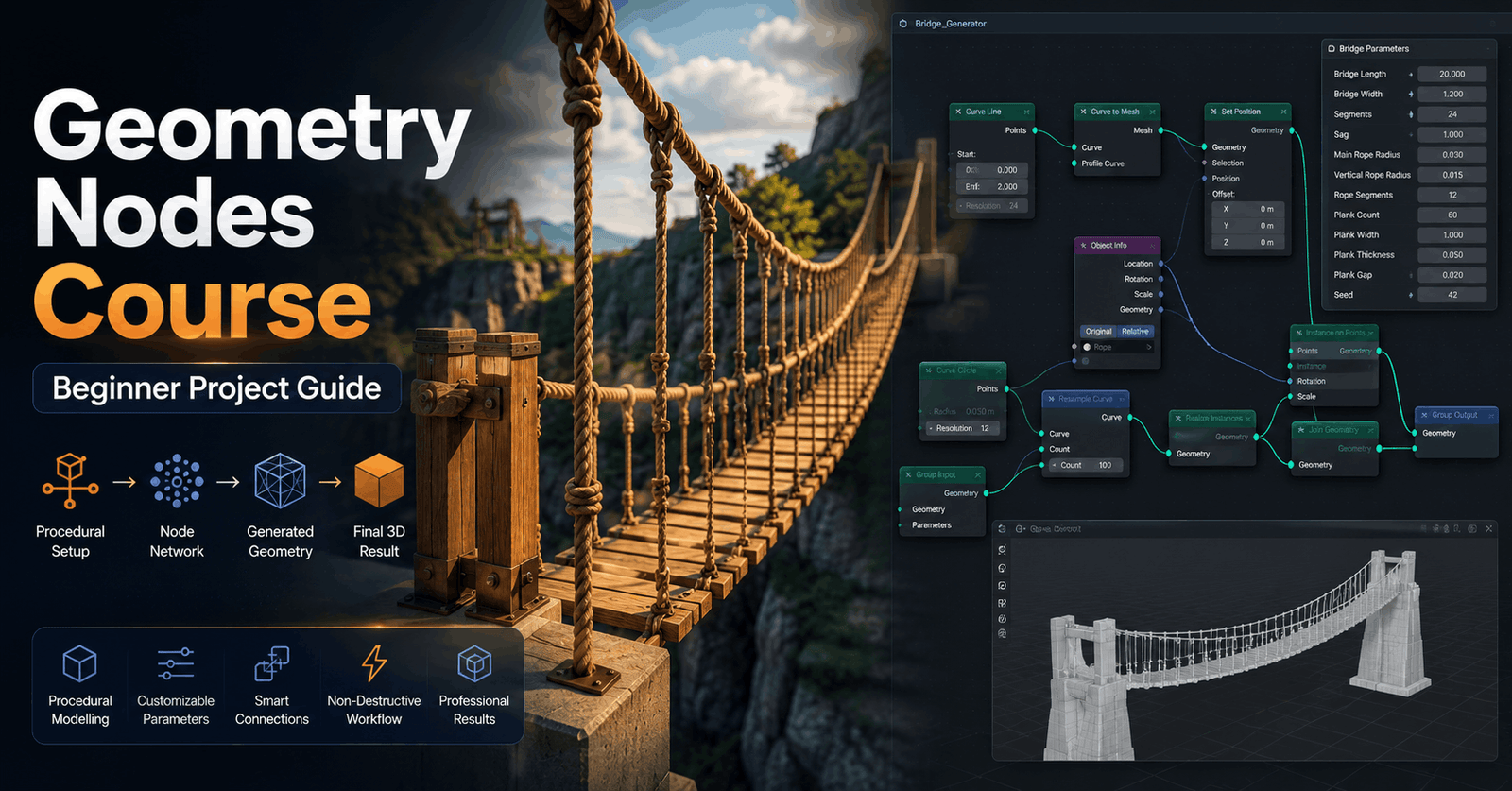
Master the Basics of Geometry Nodes: Step-by-Step Guide for Beginners
Course Line237£490.00Original price was: £490.00.£14.99Current price is: £14.99.NEBOSH: Introduction to Health & Safety at Work
Course Line237£490.00Original price was: £490.00.£14.99Current price is: £14.99.Ultimate Hootsuite Social Media Marketing Manager: Master Scheduling & Analytics
Course Line237£490.00Original price was: £490.00.£14.99Current price is: £14.99.


Related Courses
PRINCE2 in Practice: Simulated Projects & Case Studies
£490.00Original price was: £490.00.£14.99Current price is: £14.99.237PRINCE2 Risk Management: Identifying, Assessing & Controlling Risk
£490.00Original price was: £490.00.£14.99Current price is: £14.99.237PRINCE2 Roles & Responsibilities: Managing Teams in a PRINCE2 Environment
£490.00Original price was: £490.00.£14.99Current price is: £14.99.237




Related Courses
PRINCE2 in Practice: Simulated Projects & Case Studies
£490.00Original price was: £490.00.£14.99Current price is: £14.99.237PRINCE2 Risk Management: Identifying, Assessing & Controlling Risk
£490.00Original price was: £490.00.£14.99Current price is: £14.99.237PRINCE2 Roles & Responsibilities: Managing Teams in a PRINCE2 Environment
£490.00Original price was: £490.00.£14.99Current price is: £14.99.237

