
Course Features
Price
Study Method
Online | Self-paced
Course Format
Reading Material - PDF, article
Duration
9 hours, 25 minutes
Qualification
No formal qualification
Certificate
At completion
Additional info
Coming soon
- Share

Overview
Meteorology Level 8 is an advanced professional diploma designed for learners who want a deep, scientific understanding of the Earth’s atmosphere, weather systems, and climate processes. This course explores how weather forms, how it behaves, and how it can be measured, modelled, and predicted using modern scientific tools. Through a structured progression from fundamental atmospheric concepts to advanced forecasting and climate analysis, learners develop the knowledge required for high-level meteorological work.
You will study atmospheric dynamics, thermodynamics, cloud physics, precipitation mechanisms, and large-scale circulation patterns that drive global weather. The course also introduces numerical weather prediction models, satellite and radar data interpretation, and the techniques used by professional meteorologists to assess uncertainty and forecast accuracy. These skills are essential for understanding both day-to-day weather and long-term climate behaviour.
A strong applied focus runs throughout Meteorology Level 8. You will learn how meteorology supports aviation, marine operations, agriculture, renewable energy, and environmental management. The programme also explores extreme weather hazards such as storms, floods, heatwaves, and tropical cyclones, helping you understand how risks are assessed and how meteorological data supports disaster planning and public safety.
Research and data analysis are key elements of the course. You will examine how meteorological data is collected, processed, and interpreted, and how satellite remote sensing and field observations contribute to modern climate science. Ethical and professional considerations are also covered, preparing you for responsible practice in scientific and environmental roles.
At the end of the programme, learners receive a free course completion certificate. Those who wish to strengthen their professional profile can choose from multiple premium certificate and transcript options available for purchase. All students also benefit from 5-star rated support available 24/7 through email, ensuring expert guidance is always accessible.
Who is this course for?
Meteorology Level 8 is an advanced professional diploma designed for learners who want a deep, scientific understanding of the Earth’s atmosphere, weather systems, and climate processes. This course explores how weather forms, how it behaves, and how it can be measured, modelled, and predicted using modern scientific tools. Through a structured progression from fundamental atmospheric concepts to advanced forecasting and climate analysis, learners develop the knowledge required for high-level meteorological work.
You will study atmospheric dynamics, thermodynamics, cloud physics, precipitation mechanisms, and large-scale circulation patterns that drive global weather. The course also introduces numerical weather prediction models, satellite and radar data interpretation, and the techniques used by professional meteorologists to assess uncertainty and forecast accuracy. These skills are essential for understanding both day-to-day weather and long-term climate behaviour.
A strong applied focus runs throughout Meteorology Level 8. You will learn how meteorology supports aviation, marine operations, agriculture, renewable energy, and environmental management. The programme also explores extreme weather hazards such as storms, floods, heatwaves, and tropical cyclones, helping you understand how risks are assessed and how meteorological data supports disaster planning and public safety.
Research and data analysis are key elements of the course. You will examine how meteorological data is collected, processed, and interpreted, and how satellite remote sensing and field observations contribute to modern climate science. Ethical and professional considerations are also covered, preparing you for responsible practice in scientific and environmental roles.
At the end of the programme, learners receive a free course completion certificate. Those who wish to strengthen their professional profile can choose from multiple premium certificate and transcript options available for purchase. All students also benefit from 5-star rated support available 24/7 through email, ensuring expert guidance is always accessible.
Requirements
Meteorology Level 8 is an advanced professional diploma designed for learners who want a deep, scientific understanding of the Earth’s atmosphere, weather systems, and climate processes. This course explores how weather forms, how it behaves, and how it can be measured, modelled, and predicted using modern scientific tools. Through a structured progression from fundamental atmospheric concepts to advanced forecasting and climate analysis, learners develop the knowledge required for high-level meteorological work.
You will study atmospheric dynamics, thermodynamics, cloud physics, precipitation mechanisms, and large-scale circulation patterns that drive global weather. The course also introduces numerical weather prediction models, satellite and radar data interpretation, and the techniques used by professional meteorologists to assess uncertainty and forecast accuracy. These skills are essential for understanding both day-to-day weather and long-term climate behaviour.
A strong applied focus runs throughout Meteorology Level 8. You will learn how meteorology supports aviation, marine operations, agriculture, renewable energy, and environmental management. The programme also explores extreme weather hazards such as storms, floods, heatwaves, and tropical cyclones, helping you understand how risks are assessed and how meteorological data supports disaster planning and public safety.
Research and data analysis are key elements of the course. You will examine how meteorological data is collected, processed, and interpreted, and how satellite remote sensing and field observations contribute to modern climate science. Ethical and professional considerations are also covered, preparing you for responsible practice in scientific and environmental roles.
At the end of the programme, learners receive a free course completion certificate. Those who wish to strengthen their professional profile can choose from multiple premium certificate and transcript options available for purchase. All students also benefit from 5-star rated support available 24/7 through email, ensuring expert guidance is always accessible.
Career path
Meteorology Level 8 is an advanced professional diploma designed for learners who want a deep, scientific understanding of the Earth’s atmosphere, weather systems, and climate processes. This course explores how weather forms, how it behaves, and how it can be measured, modelled, and predicted using modern scientific tools. Through a structured progression from fundamental atmospheric concepts to advanced forecasting and climate analysis, learners develop the knowledge required for high-level meteorological work.
You will study atmospheric dynamics, thermodynamics, cloud physics, precipitation mechanisms, and large-scale circulation patterns that drive global weather. The course also introduces numerical weather prediction models, satellite and radar data interpretation, and the techniques used by professional meteorologists to assess uncertainty and forecast accuracy. These skills are essential for understanding both day-to-day weather and long-term climate behaviour.
A strong applied focus runs throughout Meteorology Level 8. You will learn how meteorology supports aviation, marine operations, agriculture, renewable energy, and environmental management. The programme also explores extreme weather hazards such as storms, floods, heatwaves, and tropical cyclones, helping you understand how risks are assessed and how meteorological data supports disaster planning and public safety.
Research and data analysis are key elements of the course. You will examine how meteorological data is collected, processed, and interpreted, and how satellite remote sensing and field observations contribute to modern climate science. Ethical and professional considerations are also covered, preparing you for responsible practice in scientific and environmental roles.
At the end of the programme, learners receive a free course completion certificate. Those who wish to strengthen their professional profile can choose from multiple premium certificate and transcript options available for purchase. All students also benefit from 5-star rated support available 24/7 through email, ensuring expert guidance is always accessible.
-
- Fundamentals of Meteorology and Its Importance 00:10:00
- Historical Development of Meteorology 00:10:00
- The Structure and Composition of Earth’s Atmosphere 00:10:00
- Meteorological Instruments and Observations 00:10:00
- Basic Weather Terminology and Concepts 00:10:00
-
- The Laws of Thermodynamics in Meteorology 00:10:00
- Heat Transfer in the Atmosphere (Conduction, Convection, Radiation) 00:10:00
- Pressure, Density, and Buoyancy in Atmospheric Processes 00:10:00
- Atmospheric Stability and Instability 00:10:00
- Adiabatic Processes and Lapse Rates 00:10:00
- Global Wind Systems and the Coriolis Effect 00:10:00
- High and Low-Pressure Systems 00:10:00
- Jet Streams and Their Influence on Weather Patterns 00:10:00
- Cyclones, Anticyclones, and Frontal Systems 00:10:00
- Atmospheric Waves and Oscillations 00:10:00
- The Science and Techniques of Weather Forecasting 00:10:00
- Interpreting Weather Maps, Charts, and Satellite Imagery 00:10:00
- Numerical Weather Prediction (NWP) Models 00:10:00
- Short-Range, Medium-Range, and Long-Range Forecasting 00:10:00
- Accuracy and Limitations of Weather Predictions 00:10:00
- The Greenhouse Effect and Global Warming 00:10:00
- Climate Change Science and Evidence 00:10:00
- Impact of Climate Change on Weather Patterns 00:10:00
- The Role of Meteorologists in Climate Studies 00:10:00
- Mitigation Strategies and Climate Adaptation 00:10:00
- Air Pollution and Meteorological Influences 00:10:00
- Meteorology in Renewable Energy (Wind, Solar) 00:10:00
- Agricultural Meteorology and Crop Forecasting 00:10:00
- Urban Meteorology and Microclimates 00:10:00
- The Future of Meteorological Research 00:10:00
- Exam of Meteorology Level 8 Advanced Diploma 00:50:00

No Reviews found for this course.
Is this certificate recognized?
Yes, our premium certificate and transcript are widely recognized and accepted by embassies worldwide, particularly by the UK embassy. This adds credibility to your qualification and enhances its value for professional and academic purposes.
I am a beginner. Is this course suitable for me?
Yes, this course is designed for learners of all levels, including beginners. The content is structured to provide step-by-step guidance, ensuring that even those with no prior experience can follow along and gain valuable knowledge.
I am a professional. Is this course suitable for me?
Yes, professionals will also benefit from this course. It covers advanced concepts, practical applications, and industry insights that can help enhance existing skills and knowledge. Whether you are looking to refine your expertise or expand your qualifications, this course provides valuable learning.
Does this course have an expiry date?
No, you have lifetime access to the course. Once enrolled, you can revisit the materials at any time as long as the course remains available. Additionally, we regularly update our content to ensure it stays relevant and up to date.
How do I claim my free certificate?
I trust you’re in good health. Your free certificate can be located in the Achievement section. The option to purchase a CPD certificate is available but entirely optional, and you may choose to skip it. Please be aware that it’s crucial to click the “Complete” button to ensure the certificate is generated, as this process is entirely automated.
Does this course have assessments and assignments?
Yes, the course includes both assessments and assignments. Your final marks will be determined by a combination of 20% from assignments and 80% from assessments. These evaluations are designed to test your understanding and ensure you have grasped the key concepts effectively.
Is this course accredited?
We are a recognized course provider with CPD, UKRLP, and AOHT membership. The logos of these accreditation bodies will be featured on your premium certificate and transcript, ensuring credibility and professional recognition.
Will I receive a certificate upon completion?
Yes, you will receive a free digital certificate automatically once you complete the course. If you would like a premium CPD-accredited certificate, either in digital or physical format, you can upgrade for a small fee.
Course Features
Price
Study Method
Online | Self-paced
Course Format
Reading Material - PDF, article
Duration
9 hours, 25 minutes
Qualification
No formal qualification
Certificate
At completion
Additional info
Coming soon
- Share

Primary Teaching Level 3 Advanced Diploma
Course Line242$649.10Original price was: $649.10.$19.86Current price is: $19.86.NVQ Assessor Essentials: A Step-by-Step Learning Journey
Course Line239$649.10Original price was: $649.10.$19.86Current price is: $19.86.Physical Education (PE) Teacher Level 3 Advanced Diploma
Course Line240$649.10Original price was: $649.10.$19.86Current price is: $19.86.



Related Courses
Waste Management Level 8 Advanced Diploma
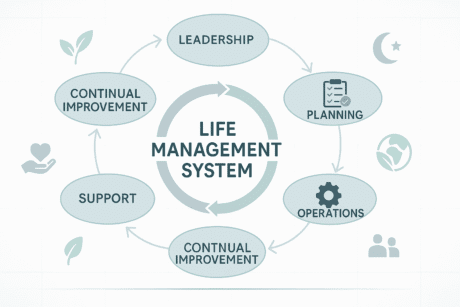
$649.10Original price was: $649.10.$19.86Current price is: $19.86.238ISO-Conforming Life Management System Foundation: Leadership, Sustainability & Success
$649.10Original price was: $649.10.$19.86Current price is: $19.86.237Design of 100% Renewable Energy Systems: Off-Grid, On-Grid & Power Grid Integration
$649.10Original price was: $649.10.$19.86Current price is: $19.86.237



Related Courses
Waste Management Level 8 Advanced Diploma
$649.10Original price was: $649.10.$19.86Current price is: $19.86.238ISO-Conforming Life Management System Foundation: Leadership, Sustainability & Success
$649.10Original price was: $649.10.$19.86Current price is: $19.86.237Design of 100% Renewable Energy Systems: Off-Grid, On-Grid & Power Grid Integration
$649.10Original price was: $649.10.$19.86Current price is: $19.86.237

