
Course Features
Price
Study Method
Online | Self-paced
Course Format
Interactive PDFs, Articles & Learning Resources
Duration
9 hours, 25 minutes
Qualification
Professional Skills Development Course
Assessment
Final MCQ Exam (included in price)
Certificate
Verifiable Digital Certificate - Free
Additional info
Lifetime Access | Start Instantly
- Share

Overview
Mechanical Engineering Diploma Level 7 is a comprehensive advanced programme designed to equip learners with the technical, analytical, and leadership skills required for modern engineering practice. This diploma explores how complex mechanical systems are designed, analysed, optimised, and managed across industries such as manufacturing, energy, automotive, aerospace, and industrial automation.
Throughout the course, learners develop a deep understanding of engineering mathematics, material behaviour, thermodynamics, fluid dynamics, and system modelling. You will study how mechanical components perform under stress, how energy flows through thermal systems, and how advanced materials improve product durability and efficiency. The programme also introduces industry-standard tools such as computer-aided design (CAD), finite element analysis (FEA), and dynamic simulation to help you model and test systems before they are built.
A strong focus is placed on real-world engineering practice. You will explore modern manufacturing technologies, robotics, quality engineering, and lean production methods that are used by leading global companies. Control systems and mechatronics are covered to ensure you understand how sensors, actuators, and programmable logic controllers work together in automated environments. Sustainability is also embedded throughout the diploma, allowing you to evaluate renewable energy systems, carbon reduction strategies, and environmentally responsible engineering solutions.
The final stage of the programme involves a major project where you apply your learning to a practical engineering challenge. This allows you to demonstrate your technical competence, research ability, and problem-solving skills while producing a professional-level engineering report or design solution.
On completion, learners receive a free course completion certificate, recognising their achievement. Those who require formal documentation can also purchase premium certificates and official transcripts for academic or professional use. All students benefit from 5-star rated learner support, available 24/7 via email, ensuring guidance is always available whenever it is needed.
Who is this course for?
Mechanical Engineering Diploma Level 7 is a comprehensive advanced programme designed to equip learners with the technical, analytical, and leadership skills required for modern engineering practice. This diploma explores how complex mechanical systems are designed, analysed, optimised, and managed across industries such as manufacturing, energy, automotive, aerospace, and industrial automation.
Throughout the course, learners develop a deep understanding of engineering mathematics, material behaviour, thermodynamics, fluid dynamics, and system modelling. You will study how mechanical components perform under stress, how energy flows through thermal systems, and how advanced materials improve product durability and efficiency. The programme also introduces industry-standard tools such as computer-aided design (CAD), finite element analysis (FEA), and dynamic simulation to help you model and test systems before they are built.
A strong focus is placed on real-world engineering practice. You will explore modern manufacturing technologies, robotics, quality engineering, and lean production methods that are used by leading global companies. Control systems and mechatronics are covered to ensure you understand how sensors, actuators, and programmable logic controllers work together in automated environments. Sustainability is also embedded throughout the diploma, allowing you to evaluate renewable energy systems, carbon reduction strategies, and environmentally responsible engineering solutions.
The final stage of the programme involves a major project where you apply your learning to a practical engineering challenge. This allows you to demonstrate your technical competence, research ability, and problem-solving skills while producing a professional-level engineering report or design solution.
On completion, learners receive a free course completion certificate, recognising their achievement. Those who require formal documentation can also purchase premium certificates and official transcripts for academic or professional use. All students benefit from 5-star rated learner support, available 24/7 via email, ensuring guidance is always available whenever it is needed.
Requirements
Mechanical Engineering Diploma Level 7 is a comprehensive advanced programme designed to equip learners with the technical, analytical, and leadership skills required for modern engineering practice. This diploma explores how complex mechanical systems are designed, analysed, optimised, and managed across industries such as manufacturing, energy, automotive, aerospace, and industrial automation.
Throughout the course, learners develop a deep understanding of engineering mathematics, material behaviour, thermodynamics, fluid dynamics, and system modelling. You will study how mechanical components perform under stress, how energy flows through thermal systems, and how advanced materials improve product durability and efficiency. The programme also introduces industry-standard tools such as computer-aided design (CAD), finite element analysis (FEA), and dynamic simulation to help you model and test systems before they are built.
A strong focus is placed on real-world engineering practice. You will explore modern manufacturing technologies, robotics, quality engineering, and lean production methods that are used by leading global companies. Control systems and mechatronics are covered to ensure you understand how sensors, actuators, and programmable logic controllers work together in automated environments. Sustainability is also embedded throughout the diploma, allowing you to evaluate renewable energy systems, carbon reduction strategies, and environmentally responsible engineering solutions.
The final stage of the programme involves a major project where you apply your learning to a practical engineering challenge. This allows you to demonstrate your technical competence, research ability, and problem-solving skills while producing a professional-level engineering report or design solution.
On completion, learners receive a free course completion certificate, recognising their achievement. Those who require formal documentation can also purchase premium certificates and official transcripts for academic or professional use. All students benefit from 5-star rated learner support, available 24/7 via email, ensuring guidance is always available whenever it is needed.
Career path
Mechanical Engineering Diploma Level 7 is a comprehensive advanced programme designed to equip learners with the technical, analytical, and leadership skills required for modern engineering practice. This diploma explores how complex mechanical systems are designed, analysed, optimised, and managed across industries such as manufacturing, energy, automotive, aerospace, and industrial automation.
Throughout the course, learners develop a deep understanding of engineering mathematics, material behaviour, thermodynamics, fluid dynamics, and system modelling. You will study how mechanical components perform under stress, how energy flows through thermal systems, and how advanced materials improve product durability and efficiency. The programme also introduces industry-standard tools such as computer-aided design (CAD), finite element analysis (FEA), and dynamic simulation to help you model and test systems before they are built.
A strong focus is placed on real-world engineering practice. You will explore modern manufacturing technologies, robotics, quality engineering, and lean production methods that are used by leading global companies. Control systems and mechatronics are covered to ensure you understand how sensors, actuators, and programmable logic controllers work together in automated environments. Sustainability is also embedded throughout the diploma, allowing you to evaluate renewable energy systems, carbon reduction strategies, and environmentally responsible engineering solutions.
The final stage of the programme involves a major project where you apply your learning to a practical engineering challenge. This allows you to demonstrate your technical competence, research ability, and problem-solving skills while producing a professional-level engineering report or design solution.
On completion, learners receive a free course completion certificate, recognising their achievement. Those who require formal documentation can also purchase premium certificates and official transcripts for academic or professional use. All students benefit from 5-star rated learner support, available 24/7 via email, ensuring guidance is always available whenever it is needed.
-
- Introduction to Advanced Mechanical Engineering Concepts 00:10:00
- Applied Engineering Mathematics for Mechanical Systems 00:10:00
- Advanced Mechanics: Stress, Strain & Material Behaviour 00:10:00
- Thermodynamic Laws & Energy Transformation 00:10:00
- Fluid Mechanics: Dynamics, Flow & Pressure Analysis 00:10:00
-
- Material Selection for High-Performance Engineering 00:10:00
- Fatigue, Fracture Mechanics & Failure Analysis 00:10:00
- Composite Materials & Modern Engineering Applications 00:10:00
- Design for Manufacturability (DFM) 00:10:00
- Sustainable Engineering Design Principles 00:10:00
- Advanced Mechanical System Modelling 00:10:00
- Finite Element Analysis (FEA) Fundamentals 00:10:00
- Dynamic System Simulation & Response Analysis 00:10:00
- Computer-Aided Design (CAD) for Complex Systems 00:10:00
- Optimisation Techniques in Engineering Design 00:10:00
- Advanced Manufacturing Systems & Technologies 00:10:00
- Lean Manufacturing & Continuous Improvement (Kaizen) 00:10:00
- Robotics & Automation in Modern Manufacturing 00:10:00
- Additive Manufacturing (3D Printing) for Industry 00:10:00
- Quality Control, Inspection & Reliability Engineering 00:10:00
- Conventional & Renewable Energy Systems 00:10:00
- Power Generation Technologies 00:10:00
- Energy Storage & Smart Grids 00:10:00
- Environmental Impact & Carbon Reduction Strategies 00:10:00
- Sustainable Engineering & Circular Economy Principles 00:10:00
- Research Methodology for Engineers 00:10:00
- Data Collection, Statistical Analysis & Interpretation 00:10:00
- Experimental Design & Laboratory Methods 00:10:00
- Technical Literature Review Skills 00:10:00
- Preparing a Research Proposal 00:10:00
- Exam of Mechanical Engineering Level 7 Advanced Diploma 00:50:00

No Reviews found for this course.
Is this certificate recognized?
Yes, our premium certificate and transcript are widely recognized and accepted by embassies worldwide, particularly by the UK embassy. This adds credibility to your qualification and enhances its value for professional and academic purposes.
I am a beginner. Is this course suitable for me?
Yes, this course is designed for learners of all levels, including beginners. The content is structured to provide step-by-step guidance, ensuring that even those with no prior experience can follow along and gain valuable knowledge.
I am a professional. Is this course suitable for me?
Yes, professionals will also benefit from this course. It covers advanced concepts, practical applications, and industry insights that can help enhance existing skills and knowledge. Whether you are looking to refine your expertise or expand your qualifications, this course provides valuable learning.
Does this course have an expiry date?
No, you have lifetime access to the course. Once enrolled, you can revisit the materials at any time as long as the course remains available. Additionally, we regularly update our content to ensure it stays relevant and up to date.
How do I claim my free certificate?
I trust you’re in good health. Your free certificate can be located in the Achievement section. The option to purchase a CPD certificate is available but entirely optional, and you may choose to skip it. Please be aware that it’s crucial to click the “Complete” button to ensure the certificate is generated, as this process is entirely automated.
Does this course have assessments and assignments?
Yes, the course includes both assessments and assignments. Your final marks will be determined by a combination of 20% from assignments and 80% from assessments. These evaluations are designed to test your understanding and ensure you have grasped the key concepts effectively.
Is this course accredited?
We are a recognized course provider with CPD, UKRLP, and AOHT membership. The logos of these accreditation bodies will be featured on your premium certificate and transcript, ensuring credibility and professional recognition.
Will I receive a certificate upon completion?
Yes, you will receive a free digital certificate automatically once you complete the course. If you would like a premium CPD-accredited certificate, either in digital or physical format, you can upgrade for a small fee.
Course Features
Price
Study Method
Online | Self-paced
Course Format
Interactive PDFs, Articles & Learning Resources
Duration
9 hours, 25 minutes
Qualification
Professional Skills Development Course
Assessment
Final MCQ Exam (included in price)
Certificate
Verifiable Digital Certificate - Free
Additional info
Lifetime Access | Start Instantly
- Share

Safeguarding Children Level 3 Advanced Diploma
Course Line240ر.س2,442.84Original price was: ر.س2,442.84.ر.س74.73Current price is: ر.س74.73.PRINCE2 Practitioner Certification Preparation
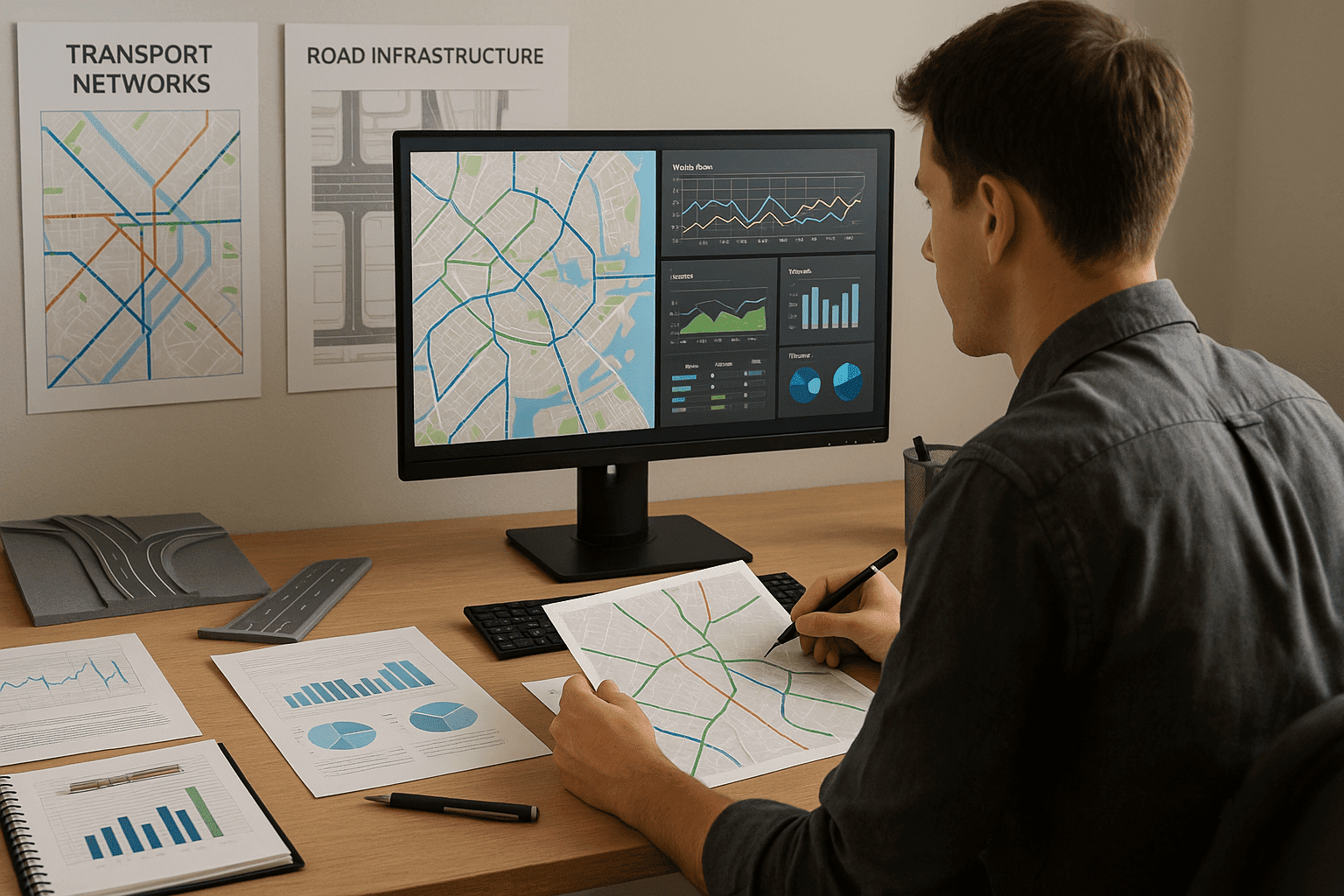
Course Line237ر.س2,442.84Original price was: ر.س2,442.84.ر.س74.73Current price is: ر.س74.73.Transport Engineering Level 3 Advanced Diploma
Course Line238ر.س2,442.84Original price was: ر.س2,442.84.ر.س74.73Current price is: ر.س74.73.


Related Courses
AutoCAD Floor Plan Rendering in Photoshop: Architectural Visualisation Professional Training
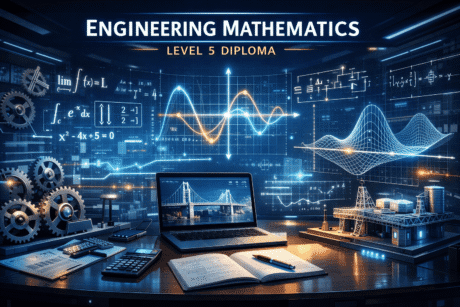
ر.س2,442.84Original price was: ر.س2,442.84.ر.س74.73Current price is: ر.س74.73.237Engineering Mathematics Level 5 Advanced Diploma
ر.س2,442.84Original price was: ر.س2,442.84.ر.س74.73Current price is: ر.س74.73.237Civil Engineering Building Construction Fundamentals: Site, Codes & Quantity Skills
ر.س2,442.84Original price was: ر.س2,442.84.ر.س74.73Current price is: ر.س74.73.2385



Related Courses
AutoCAD Floor Plan Rendering in Photoshop: Architectural Visualisation Professional Training
ر.س2,442.84Original price was: ر.س2,442.84.ر.س74.73Current price is: ر.س74.73.237Engineering Mathematics Level 5 Advanced Diploma
ر.س2,442.84Original price was: ر.س2,442.84.ر.س74.73Current price is: ر.س74.73.237Civil Engineering Building Construction Fundamentals: Site, Codes & Quantity Skills
ر.س2,442.84Original price was: ر.س2,442.84.ر.س74.73Current price is: ر.س74.73.2385

