
Course Features
Price
Study Method
Online | Self-paced
Course Format
Interactive PDFs, Articles & Learning Resources
Duration
19 hours, 45 minutes
Qualification
Professional Skills Development Course
Assessment
Final MCQ Exam (included in price)
Certificate
Verifiable Digital Certificate - Free
Additional info
Lifetime Access | Start Instantly
- Share
Overview
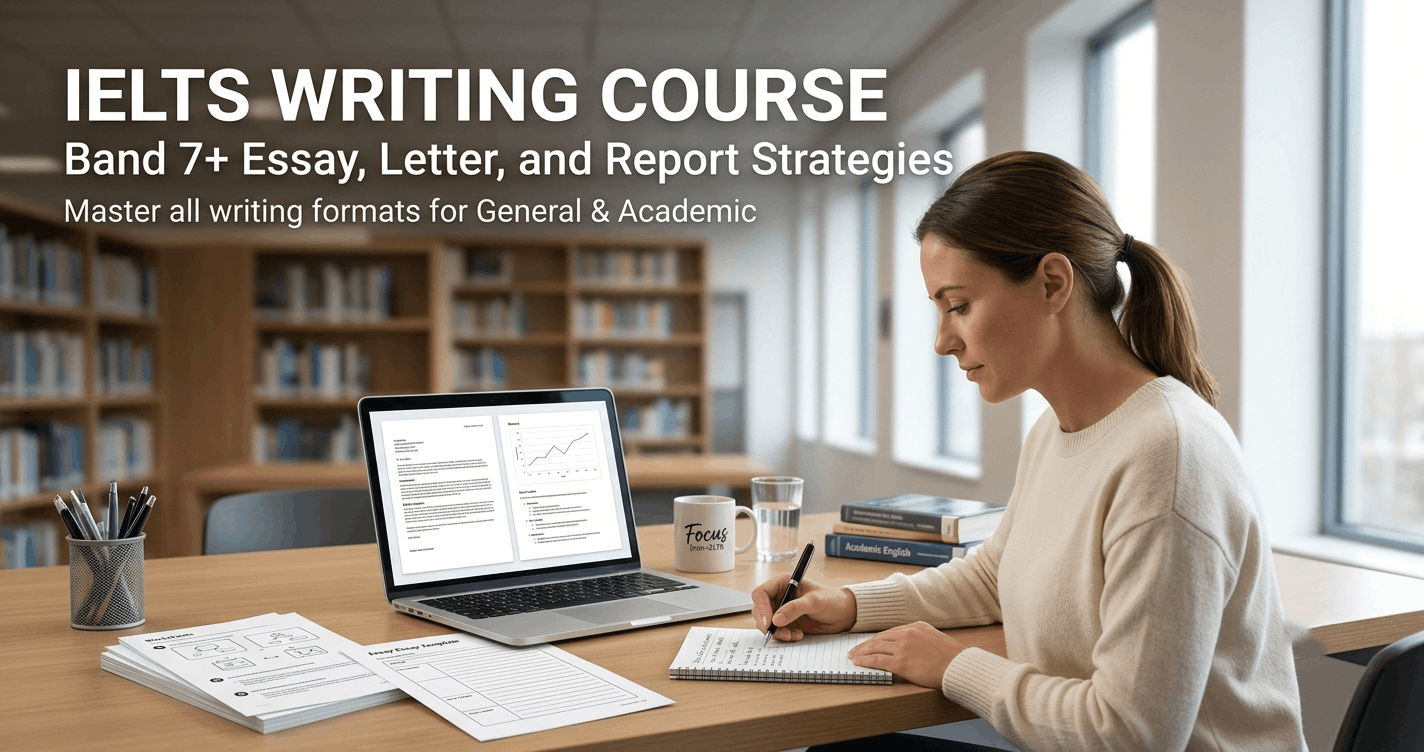
IELTS Writing Course training provides comprehensive preparation for the writing skills required across IELTS General Training and Academic contexts. Covering essays, letters, and academic reports, this course helps learners develop a more structured approach to planning, organising, reviewing, and improving written responses. The emphasis is on understanding effective writing principles and applying them independently rather than relying on memorised templates.
You will explore essential elements of successful writing, including task interpretation, paragraph structure, word choice, punctuation, spelling, logical sequencing, and accurate use of linking language. The course also examines grammatical range and accuracy, lexical resource, repetition, word-count considerations, and common error patterns. These areas can help you understand how different features contribute to clear, coherent, and purposeful written communication.
For Task 2 preparation, you will examine common essay question types and learn how different structures can be used to address one-part and two-part tasks. Model answers provide opportunities to analyse how ideas may be developed and organised. General Training learners can explore formal and informal letter formats, appropriate tone, reader awareness, and vocabulary choices for different communication purposes.
Academic learners will also develop their understanding of Task 1 report writing. The course introduces approaches to interpreting charts and graphs, selecting relevant information, organising paragraphs, describing data, and using appropriate academic vocabulary. Sample reports and analysis help demonstrate features associated with stronger responses.
A major benefit of this course is the breadth of writing practice available in one flexible learning experience. You can study at your own pace, revisit challenging topics, compare writing approaches, and use the lessons to identify areas for further practice. The skills developed may also support broader academic and professional communication.
Although the course explores strategies and examples associated with Band 7+ performance, no particular IELTS result can be guaranteed. Scores depend on individual ability and official assessment, and learners should check current requirements and test procedures with authorised IELTS sources.
Upon successful completion, learners will receive a free course completion certificate. Those seeking additional documentation can choose from multiple premium certificate and transcript options available for purchase. Students also have access to our 5-star-rated support team, available 24/7 through email, for course-related assistance throughout their studies.Who is this course for?
IELTS Writing Course training provides comprehensive preparation for the writing skills required across IELTS General Training and Academic contexts. Covering essays, letters, and academic reports, this course helps learners develop a more structured approach to planning, organising, reviewing, and improving written responses. The emphasis is on understanding effective writing principles and applying them independently rather than relying on memorised templates.
You will explore essential elements of successful writing, including task interpretation, paragraph structure, word choice, punctuation, spelling, logical sequencing, and accurate use of linking language. The course also examines grammatical range and accuracy, lexical resource, repetition, word-count considerations, and common error patterns. These areas can help you understand how different features contribute to clear, coherent, and purposeful written communication.
For Task 2 preparation, you will examine common essay question types and learn how different structures can be used to address one-part and two-part tasks. Model answers provide opportunities to analyse how ideas may be developed and organised. General Training learners can explore formal and informal letter formats, appropriate tone, reader awareness, and vocabulary choices for different communication purposes.
Academic learners will also develop their understanding of Task 1 report writing. The course introduces approaches to interpreting charts and graphs, selecting relevant information, organising paragraphs, describing data, and using appropriate academic vocabulary. Sample reports and analysis help demonstrate features associated with stronger responses.
A major benefit of this course is the breadth of writing practice available in one flexible learning experience. You can study at your own pace, revisit challenging topics, compare writing approaches, and use the lessons to identify areas for further practice. The skills developed may also support broader academic and professional communication.
Although the course explores strategies and examples associated with Band 7+ performance, no particular IELTS result can be guaranteed. Scores depend on individual ability and official assessment, and learners should check current requirements and test procedures with authorised IELTS sources.
Upon successful completion, learners will receive a free course completion certificate. Those seeking additional documentation can choose from multiple premium certificate and transcript options available for purchase. Students also have access to our 5-star-rated support team, available 24/7 through email, for course-related assistance throughout their studies.Requirements
IELTS Writing Course training provides comprehensive preparation for the writing skills required across IELTS General Training and Academic contexts. Covering essays, letters, and academic reports, this course helps learners develop a more structured approach to planning, organising, reviewing, and improving written responses. The emphasis is on understanding effective writing principles and applying them independently rather than relying on memorised templates.
You will explore essential elements of successful writing, including task interpretation, paragraph structure, word choice, punctuation, spelling, logical sequencing, and accurate use of linking language. The course also examines grammatical range and accuracy, lexical resource, repetition, word-count considerations, and common error patterns. These areas can help you understand how different features contribute to clear, coherent, and purposeful written communication.
For Task 2 preparation, you will examine common essay question types and learn how different structures can be used to address one-part and two-part tasks. Model answers provide opportunities to analyse how ideas may be developed and organised. General Training learners can explore formal and informal letter formats, appropriate tone, reader awareness, and vocabulary choices for different communication purposes.
Academic learners will also develop their understanding of Task 1 report writing. The course introduces approaches to interpreting charts and graphs, selecting relevant information, organising paragraphs, describing data, and using appropriate academic vocabulary. Sample reports and analysis help demonstrate features associated with stronger responses.
A major benefit of this course is the breadth of writing practice available in one flexible learning experience. You can study at your own pace, revisit challenging topics, compare writing approaches, and use the lessons to identify areas for further practice. The skills developed may also support broader academic and professional communication.
Although the course explores strategies and examples associated with Band 7+ performance, no particular IELTS result can be guaranteed. Scores depend on individual ability and official assessment, and learners should check current requirements and test procedures with authorised IELTS sources.
Upon successful completion, learners will receive a free course completion certificate. Those seeking additional documentation can choose from multiple premium certificate and transcript options available for purchase. Students also have access to our 5-star-rated support team, available 24/7 through email, for course-related assistance throughout their studies.Career path
IELTS Writing Course training provides comprehensive preparation for the writing skills required across IELTS General Training and Academic contexts. Covering essays, letters, and academic reports, this course helps learners develop a more structured approach to planning, organising, reviewing, and improving written responses. The emphasis is on understanding effective writing principles and applying them independently rather than relying on memorised templates.
You will explore essential elements of successful writing, including task interpretation, paragraph structure, word choice, punctuation, spelling, logical sequencing, and accurate use of linking language. The course also examines grammatical range and accuracy, lexical resource, repetition, word-count considerations, and common error patterns. These areas can help you understand how different features contribute to clear, coherent, and purposeful written communication.
For Task 2 preparation, you will examine common essay question types and learn how different structures can be used to address one-part and two-part tasks. Model answers provide opportunities to analyse how ideas may be developed and organised. General Training learners can explore formal and informal letter formats, appropriate tone, reader awareness, and vocabulary choices for different communication purposes.
Academic learners will also develop their understanding of Task 1 report writing. The course introduces approaches to interpreting charts and graphs, selecting relevant information, organising paragraphs, describing data, and using appropriate academic vocabulary. Sample reports and analysis help demonstrate features associated with stronger responses.
A major benefit of this course is the breadth of writing practice available in one flexible learning experience. You can study at your own pace, revisit challenging topics, compare writing approaches, and use the lessons to identify areas for further practice. The skills developed may also support broader academic and professional communication.
Although the course explores strategies and examples associated with Band 7+ performance, no particular IELTS result can be guaranteed. Scores depend on individual ability and official assessment, and learners should check current requirements and test procedures with authorised IELTS sources.
Upon successful completion, learners will receive a free course completion certificate. Those seeking additional documentation can choose from multiple premium certificate and transcript options available for purchase. Students also have access to our 5-star-rated support team, available 24/7 through email, for course-related assistance throughout their studies.-
- Course Introduction to IELTS Essay Writing 00:10:00
- Crafting Effective Essay Titles 00:10:00
- Answer Sheet Guidelines for IELTS Writing 00:10:00
- Essay Structure Essentials – Part A 00:10:00
- Essay Structure Essentials – Part B 00:10:00
- Choosing the Right Words – Part A 00:10:00
- Choosing the Right Words – Part B 00:10:00
- Word Count Strategy – Paragraph-Based 00:10:00
- Word Count Strategy – Complete Draft 00:10:00
- Common Mistakes and Error Patterns 00:10:00
- Pen vs. Pencil – What to Use in the Test 00:10:00
- Handling Cancellations & Cross-outs 00:10:00
- Punctuation Tips for Precision 00:10:00
- Understanding the Task Clearly 00:10:00
- Fulfilling IELTS Task Requirements 00:10:00
- Speaking Through Topics – Tone & Voice 00:10:00
- Writing for the Reader – Perspective Tips 00:10:00
- “YOU” Technique in Essay Writing 00:10:00
- Asking Rhetorical Questions in Writing 00:10:00
- Use of Exclamations – Do’s & Don’ts 00:10:00
- Making Announcements in Essay Form 00:10:00
- Avoiding Vague Words like “Thingy Things” 00:10:00
- Linking Words – Basics 00:10:00
- Linking Words – Practical Usage 00:10:00
- Using (or Avoiding) Contractions 00:10:00
- GRA (Grammatical Range and Accuracy) Tips 00:10:00
- LR (Lexical Resource) Tips 00:10:00
- Rules for Incomplete Task Penalties 00:10:00
- Counting Words the Smart Way 00:10:00
- Spelling Accuracy Tips 00:10:00
- Logical Sequencing in Paragraphs 00:10:00
- Avoiding Unnecessary Repetition 00:10:00
- Categories of IELTS Essay Questions 00:10:00
- Standard Essay Structures Explained 00:10:00
- One-Part Essay – Full Breakdown 00:10:00
- Two-Part Essay – Full Breakdown 00:10:00
- Types of IELTS Essay Questions 00:10:00
- Band 7+ Sample Answers for All Essay Types 00:10:00
-
- Introduction to Letter Writing in GT 00:10:00
- Title Crafting Tips for Letters 00:10:00
- Letter Structure Tips – Part A 00:10:00
- Letter Structure Tips – Part B 00:10:00
- Word Choice Tips – Part A 00:10:00
- Word Choice Tips – Part B 00:10:00
- Word Count Tips – Paragraph-Based 00:10:00
- Word Count Tips – Complete Draft 00:10:00
- Common Errors in Letter Writing 00:10:00
- Pen vs. Pencil Advice 00:10:00
- Dealing with Mistakes & Corrections 00:10:00
- Punctuation Rules for Letters 00:10:00
- Understanding the Letter Prompt 00:10:00
- Fulfilling Task Requirements 00:10:00
- Speaking Through the Topic 00:10:00
- Writing for the Reader 00:10:00
- Strategic Use of “YOU” in Letters 00:10:00
- Asking Questions in Letters 00:10:00
- Using Exclamations Effectively 00:10:00
- Announcement Style Sentences 00:10:00
- Avoiding Vague Expressions 00:10:00
- Linking Words in Letters 00:10:00
- How to Use Linking Words Naturally 00:10:00
- Contractions in Letters – When to Use 00:10:00
- GRA Tips for Letters 00:10:00
- LR Tips for Letter Writing 00:10:00
- Incomplete Task Rule Overview 00:10:00
- Smart Word Count Strategy 00:10:00
- Spelling Rules for GT Writing 00:10:00
- Sequence & Flow in Letter Paragraphs 00:10:00
- Repetition: What to Avoid 00:10:00
- Overview of Letter Writing Styles 00:10:00
- Key Parts of a Letter Explained 00:10:00
- Format of a Formal Letter 00:00:00
- Format of an Informal Letter 00:10:00
- Vocabulary for Formal vs. Informal Writing 00:10:00
- Sample Letters with Analysis 00:10:00
- Introduction to Academic Task 1 Reports 00:10:00
- Title Tips for Report Writing 00:10:00
- Report Structure Tips – Part A 00:10:00
- Report Structure Tips – Part B 00:10:00
- Word Choice Tips – Part A 00:10:00
- Word Choice Tips – Part B 00:10:00
- Word Count – Paragraph Breakdown 00:10:00
- Word Count – Complete Overview 00:10:00
- Common Errors in Report Writing 00:10:00
- Pen or Pencil – What to Choose 00:10:00
- Cancellation and Mistake Management 00:10:00
- Key Punctuation in Report Writing 00:10:00
- Understanding Charts and Graphs 00:10:00
- Meeting Task Requirements 00:10:00
- Reporting Through Topics 00:10:00
- Writing with the Reader in Mind 00:10:00
- Effective Use of “YOU” in Reports 00:10:00
- Asking Questions – When Appropriate 00:10:00
- Use of Exclamations – Do or Don’t? 00:10:00
- Making Data Announcements Clearly 00:10:00
- Avoiding Informal Vocabulary 00:10:00
- Using Linking Words Effectively 00:10:00
- Practical Linking Word Use 00:10:00
- Contractions – To Use or Not? 00:10:00
- GRA (Grammar) Tips for Reports 00:10:00
- LR (Vocabulary) Tips for Reports 00:10:00
- What Counts as Incomplete in a Report 00:10:00
- Word Count Tactics 00:10:00
- Spelling Focus for Task 1 00:10:00
- Logical Sequence in Reports 00:10:00
- Avoiding Redundancy 00:10:00
- Introduction to Report Writing Techniques 00:10:00
- Report Structure Breakdown 00:10:00
- What to Include in Each Paragraph 00:10:00
- Sample Band 7 Report – Part A 00:10:00
- Sample Band 7 Report – Part B + Examiner Insights 00:10:00
- Report Analysis – What Makes a Band 7+ 00:10:00
- Essential Academic Vocabulary for Reports 00:10:00
- Premium Certificate 00:15:00

No Reviews found for this course.
Is this certificate recognized?
Yes, our premium certificate and transcript are widely recognized and accepted by embassies worldwide, particularly by the UK embassy. This adds credibility to your qualification and enhances its value for professional and academic purposes.
I am a beginner. Is this course suitable for me?
Yes, this course is designed for learners of all levels, including beginners. The content is structured to provide step-by-step guidance, ensuring that even those with no prior experience can follow along and gain valuable knowledge.
I am a professional. Is this course suitable for me?
Yes, professionals will also benefit from this course. It covers advanced concepts, practical applications, and industry insights that can help enhance existing skills and knowledge. Whether you are looking to refine your expertise or expand your qualifications, this course provides valuable learning.
Does this course have an expiry date?
No, you have lifetime access to the course. Once enrolled, you can revisit the materials at any time as long as the course remains available. Additionally, we regularly update our content to ensure it stays relevant and up to date.
How do I claim my free certificate?
I trust you’re in good health. Your free certificate can be located in the Achievement section. The option to purchase a CPD certificate is available but entirely optional, and you may choose to skip it. Please be aware that it’s crucial to click the “Complete” button to ensure the certificate is generated, as this process is entirely automated.
Does this course have assessments and assignments?
Yes, the course includes both assessments and assignments. Your final marks will be determined by a combination of 20% from assignments and 80% from assessments. These evaluations are designed to test your understanding and ensure you have grasped the key concepts effectively.
Is this course accredited?
We are a recognized course provider with CPD, UKRLP, and AOHT membership. The logos of these accreditation bodies will be featured on your premium certificate and transcript, ensuring credibility and professional recognition.
Will I receive a certificate upon completion?
Yes, you will receive a free digital certificate automatically once you complete the course. If you would like a premium CPD-accredited certificate, either in digital or physical format, you can upgrade for a small fee.
Course Features
Price
Study Method
Online | Self-paced
Course Format
Interactive PDFs, Articles & Learning Resources
Duration
19 hours, 45 minutes
Qualification
Professional Skills Development Course
Assessment
Final MCQ Exam (included in price)
Certificate
Verifiable Digital Certificate - Free
Additional info
Lifetime Access | Start Instantly
- Share

Apple Keynote Essentials: From Beginner to Pro
Course Line239£490.00Original price was: £490.00.£14.99Current price is: £14.99.Access to HE Diploma: Art & Design Foundations
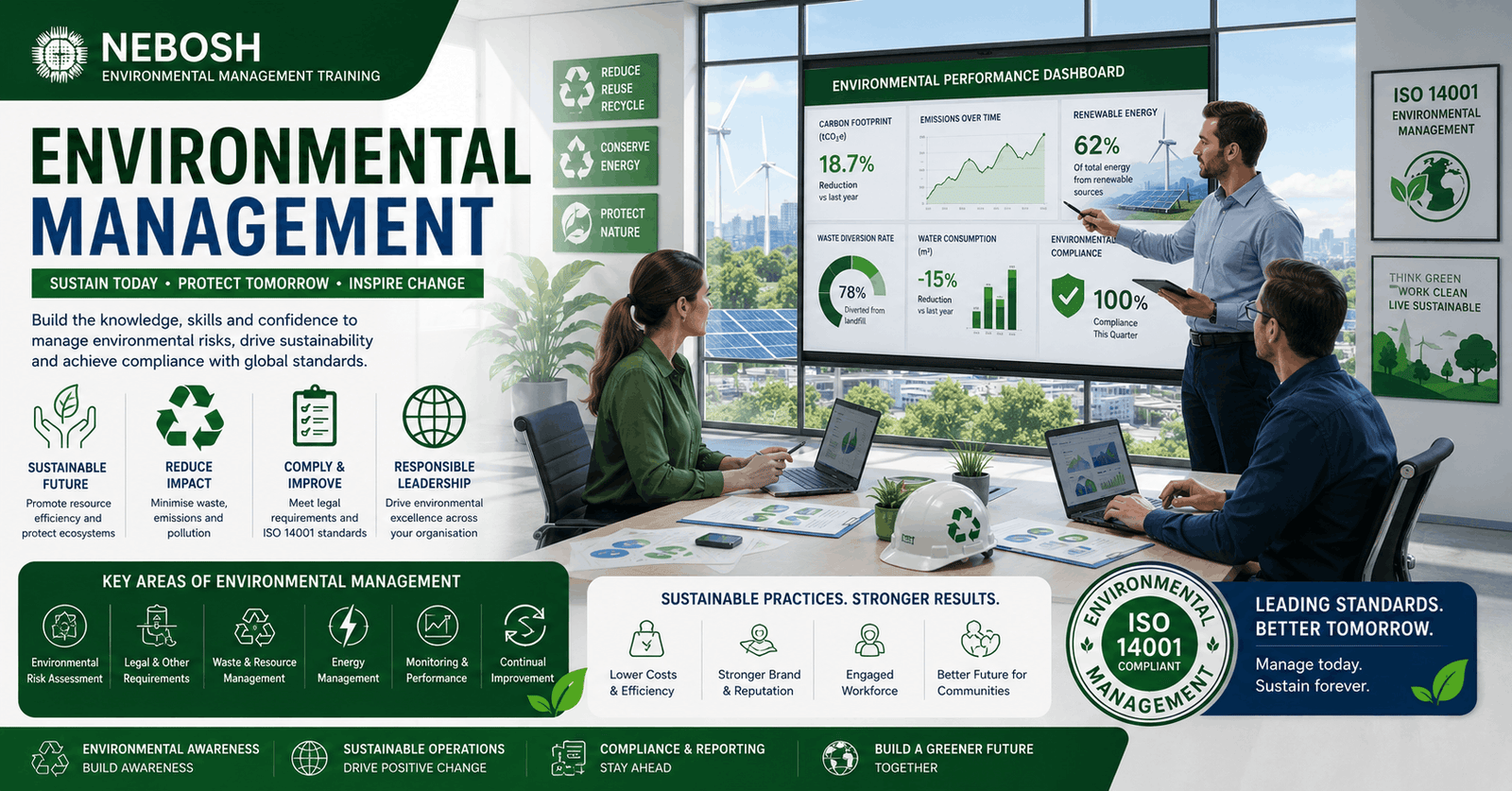
Course Line237£490.00Original price was: £490.00.£14.99Current price is: £14.99.NEBOSH: Environmental Management for Beginners
Course Line237£490.00Original price was: £490.00.£14.99Current price is: £14.99.


Related Courses
Professional Proofreading & Editing Skills: Grammar, Style & Error-Free Writing
£490.00Original price was: £490.00.£14.99Current price is: £14.99.237Practical TEFL Training: How to Teach English with Confidence, Structure & Classroom Control
£490.00Original price was: £490.00.£14.99Current price is: £14.99.237Freelance Writing Mastery Build Multiple Income Streams as a Professional Writer
£490.00Original price was: £490.00.£14.99Current price is: £14.99.237



Related Courses
Professional Proofreading & Editing Skills: Grammar, Style & Error-Free Writing
£490.00Original price was: £490.00.£14.99Current price is: £14.99.237Practical TEFL Training: How to Teach English with Confidence, Structure & Classroom Control
£490.00Original price was: £490.00.£14.99Current price is: £14.99.237Freelance Writing Mastery Build Multiple Income Streams as a Professional Writer
£490.00Original price was: £490.00.£14.99Current price is: £14.99.237

