
Course Features
Price
Study Method
Online | Self-paced
Course Format
Reading Material - PDF, article
Duration
2 hours, 5 minutes
Qualification
No formal qualification
Certificate
At completion
Additional info
Coming soon
- Share

Overview
The metric system is the universal language of science, used across the globe to measure, record, and communicate data accurately. In Chemistry Students’ Guide to the Metric System: Prefixes, Units & Conversions, you’ll build a strong understanding of how scientists quantify the world around them. Designed specifically for chemistry students, this course simplifies complex measurement concepts into clear, practical lessons that form the foundation of every laboratory and scientific calculation.
You’ll begin by exploring the history and importance of the metric system, understanding why it remains the standard for scientific communication. From there, you’ll dive into metric prefixes — learning how they represent powers of ten and how to apply them to different units. You’ll gain a solid grasp of core metric units used to measure length, mass, and volume, with real-world examples and conversion techniques to ensure accuracy in problem-solving.
By focusing on the measurement systems most relevant to chemistry, this course bridges theory and application. You’ll learn to convert between units like metres, grams, and litres effortlessly and understand how these measurements connect to chemical experiments, equations, and lab data interpretation. By the end, you’ll not only be fluent in metric units and conversions but also confident in applying them to real scientific problems — a vital step for mastering chemistry and other STEM subjects.
No prior chemistry knowledge is required. All you need is basic math understanding and curiosity about how scientific measurement works. The course is beginner-friendly and ideal for high school, college, or early undergraduate learners.
Who is this course for?
The metric system is the universal language of science, used across the globe to measure, record, and communicate data accurately. In Chemistry Students’ Guide to the Metric System: Prefixes, Units & Conversions, you’ll build a strong understanding of how scientists quantify the world around them. Designed specifically for chemistry students, this course simplifies complex measurement concepts into clear, practical lessons that form the foundation of every laboratory and scientific calculation.
You’ll begin by exploring the history and importance of the metric system, understanding why it remains the standard for scientific communication. From there, you’ll dive into metric prefixes — learning how they represent powers of ten and how to apply them to different units. You’ll gain a solid grasp of core metric units used to measure length, mass, and volume, with real-world examples and conversion techniques to ensure accuracy in problem-solving.
By focusing on the measurement systems most relevant to chemistry, this course bridges theory and application. You’ll learn to convert between units like metres, grams, and litres effortlessly and understand how these measurements connect to chemical experiments, equations, and lab data interpretation. By the end, you’ll not only be fluent in metric units and conversions but also confident in applying them to real scientific problems — a vital step for mastering chemistry and other STEM subjects.
No prior chemistry knowledge is required. All you need is basic math understanding and curiosity about how scientific measurement works. The course is beginner-friendly and ideal for high school, college, or early undergraduate learners.
Requirements
The metric system is the universal language of science, used across the globe to measure, record, and communicate data accurately. In Chemistry Students’ Guide to the Metric System: Prefixes, Units & Conversions, you’ll build a strong understanding of how scientists quantify the world around them. Designed specifically for chemistry students, this course simplifies complex measurement concepts into clear, practical lessons that form the foundation of every laboratory and scientific calculation.
You’ll begin by exploring the history and importance of the metric system, understanding why it remains the standard for scientific communication. From there, you’ll dive into metric prefixes — learning how they represent powers of ten and how to apply them to different units. You’ll gain a solid grasp of core metric units used to measure length, mass, and volume, with real-world examples and conversion techniques to ensure accuracy in problem-solving.
By focusing on the measurement systems most relevant to chemistry, this course bridges theory and application. You’ll learn to convert between units like metres, grams, and litres effortlessly and understand how these measurements connect to chemical experiments, equations, and lab data interpretation. By the end, you’ll not only be fluent in metric units and conversions but also confident in applying them to real scientific problems — a vital step for mastering chemistry and other STEM subjects.
No prior chemistry knowledge is required. All you need is basic math understanding and curiosity about how scientific measurement works. The course is beginner-friendly and ideal for high school, college, or early undergraduate learners.
Career path
The metric system is the universal language of science, used across the globe to measure, record, and communicate data accurately. In Chemistry Students’ Guide to the Metric System: Prefixes, Units & Conversions, you’ll build a strong understanding of how scientists quantify the world around them. Designed specifically for chemistry students, this course simplifies complex measurement concepts into clear, practical lessons that form the foundation of every laboratory and scientific calculation.
You’ll begin by exploring the history and importance of the metric system, understanding why it remains the standard for scientific communication. From there, you’ll dive into metric prefixes — learning how they represent powers of ten and how to apply them to different units. You’ll gain a solid grasp of core metric units used to measure length, mass, and volume, with real-world examples and conversion techniques to ensure accuracy in problem-solving.
By focusing on the measurement systems most relevant to chemistry, this course bridges theory and application. You’ll learn to convert between units like metres, grams, and litres effortlessly and understand how these measurements connect to chemical experiments, equations, and lab data interpretation. By the end, you’ll not only be fluent in metric units and conversions but also confident in applying them to real scientific problems — a vital step for mastering chemistry and other STEM subjects.
No prior chemistry knowledge is required. All you need is basic math understanding and curiosity about how scientific measurement works. The course is beginner-friendly and ideal for high school, college, or early undergraduate learners.
-
- Introduction to the Metric System 00:10:00
-
- Metric Prefixes and Their Meanings 00:10:00
- Core Metric Units of Measure 00:10:00
- Metric Units of Mass 00:10:00
- Exam of Chemistry Students’ Guide to the Metric System: Prefixes, Units & Conversions 00:50:00

No Reviews found for this course.
Is this certificate recognized?
Yes, our premium certificate and transcript are widely recognized and accepted by embassies worldwide, particularly by the UK embassy. This adds credibility to your qualification and enhances its value for professional and academic purposes.
I am a beginner. Is this course suitable for me?
Yes, this course is designed for learners of all levels, including beginners. The content is structured to provide step-by-step guidance, ensuring that even those with no prior experience can follow along and gain valuable knowledge.
I am a professional. Is this course suitable for me?
Yes, professionals will also benefit from this course. It covers advanced concepts, practical applications, and industry insights that can help enhance existing skills and knowledge. Whether you are looking to refine your expertise or expand your qualifications, this course provides valuable learning.
Does this course have an expiry date?
No, you have lifetime access to the course. Once enrolled, you can revisit the materials at any time as long as the course remains available. Additionally, we regularly update our content to ensure it stays relevant and up to date.
How do I claim my free certificate?
I trust you’re in good health. Your free certificate can be located in the Achievement section. The option to purchase a CPD certificate is available but entirely optional, and you may choose to skip it. Please be aware that it’s crucial to click the “Complete” button to ensure the certificate is generated, as this process is entirely automated.
Does this course have assessments and assignments?
Yes, the course includes both assessments and assignments. Your final marks will be determined by a combination of 20% from assignments and 80% from assessments. These evaluations are designed to test your understanding and ensure you have grasped the key concepts effectively.
Is this course accredited?
We are a recognized course provider with CPD, UKRLP, and AOHT membership. The logos of these accreditation bodies will be featured on your premium certificate and transcript, ensuring credibility and professional recognition.
Will I receive a certificate upon completion?
Yes, you will receive a free digital certificate automatically once you complete the course. If you would like a premium CPD-accredited certificate, either in digital or physical format, you can upgrade for a small fee.
Course Features
Price
Study Method
Online | Self-paced
Course Format
Reading Material - PDF, article
Duration
2 hours, 5 minutes
Qualification
No formal qualification
Certificate
At completion
Additional info
Coming soon
- Share

Building Resilience: Thrive Under Pressure and Change
Kazi Shofi Uddin Bablu237$924.69Original price was: $924.69.$28.29Current price is: $28.29.How to Effectively Communicate with Your Child: Understanding Different Energy Types
Course Line237$924.69Original price was: $924.69.$28.29Current price is: $28.29.


Related Courses
Engineering Mathematics Level 5 Advanced Diploma
$924.69Original price was: $924.69.$28.29Current price is: $28.29.237Digital Electronics Fundamentals: Logic Gates & Boolean Algebra Explained
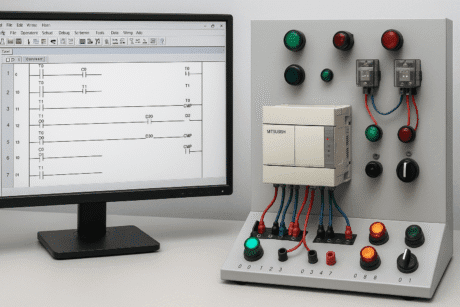
$924.69Original price was: $924.69.$28.29Current price is: $28.29.237Mitsubishi PLC Programming Masterclass: GX Developer, Timers, Counters & Automation Logic
$924.69Original price was: $924.69.$28.29Current price is: $28.29.237



Related Courses
Engineering Mathematics Level 5 Advanced Diploma
$924.69Original price was: $924.69.$28.29Current price is: $28.29.237Digital Electronics Fundamentals: Logic Gates & Boolean Algebra Explained
$924.69Original price was: $924.69.$28.29Current price is: $28.29.237Mitsubishi PLC Programming Masterclass: GX Developer, Timers, Counters & Automation Logic
$924.69Original price was: $924.69.$28.29Current price is: $28.29.237

