
Course Features
Price
Study Method
Online | Self-paced
Course Format
Interactive PDFs, Articles & Learning Resources
Duration
1 day, 1 hour
Qualification
Professional Skills Development Course
Assessment
Final MCQ Exam (included in price)
Certificate
Verifiable Digital Certificate - Free
Additional info
Lifetime Access | Start Instantly
- Share
Overview
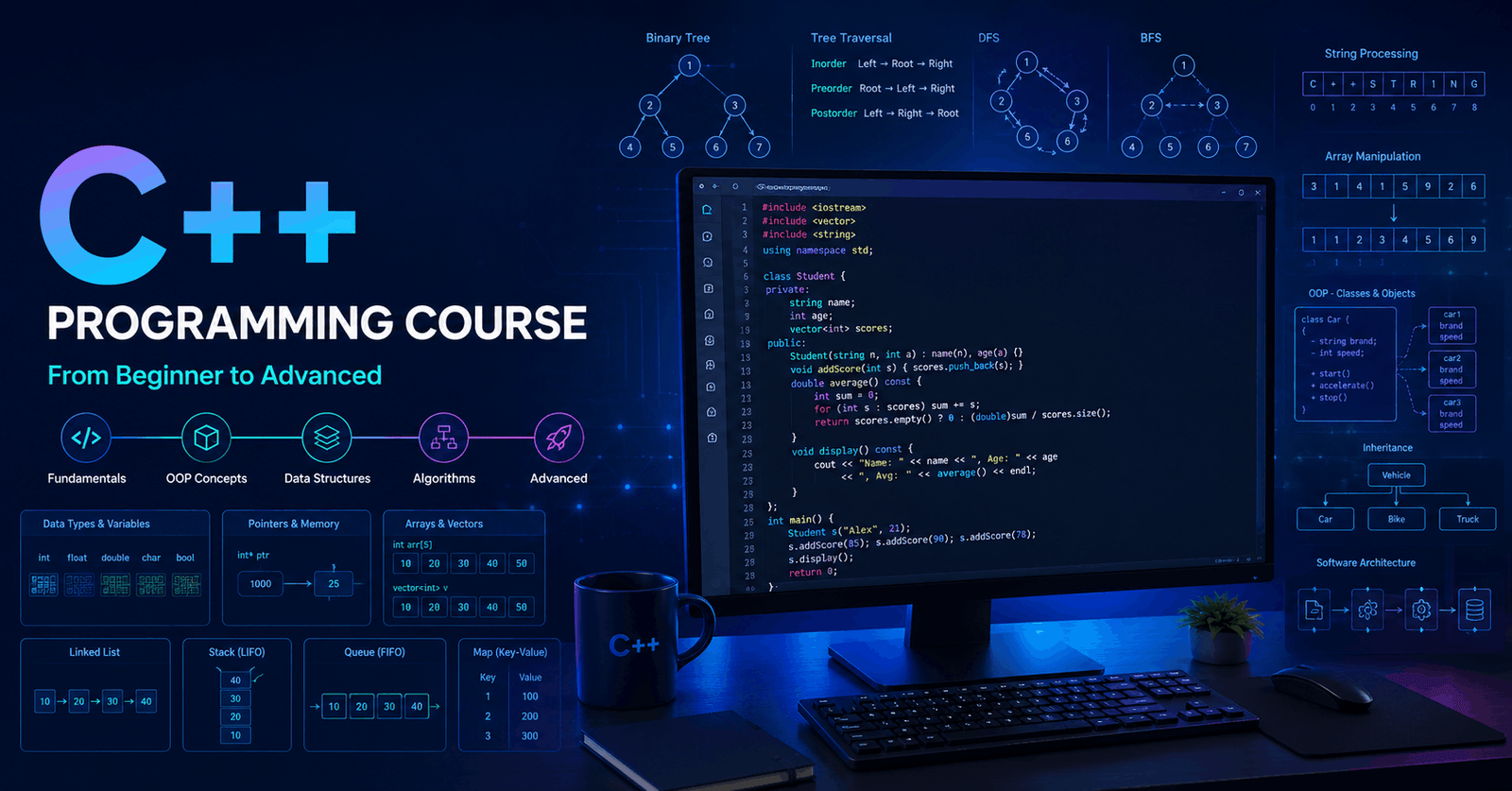
C++ Programming Course training provides a structured pathway for developing programming skills from fundamental syntax to object-oriented design, data structures and algorithmic problem-solving. Designed to support progressive learning, this course helps learners understand how C++ programs are created, executed and organised while gradually introducing more sophisticated techniques used in software development and computer science.
The course begins with development environment setup for Windows and Mac, creating source files and running C++ programs. Learners then explore core language concepts, including the main function, input and output, built-in data types, strings, constants, arithmetic operations and comparison operators. This foundation prepares learners to work with conditional statements, loops, pointers, arrays and vectors.
As the course progresses, learners examine user-defined types and program organisation through structures, classes, enumerations, separate compilation and namespaces. Intermediate topics introduce libraries, file input and output, date and time operations, recursion and regular expressions. Learners also explore important data structures, including linked lists and trees.
A dedicated section covers Standard Library containers such as vectors, forward lists, lists, deques, sets, maps, stacks and queues. The course then develops object-oriented programming knowledge through classes, objects, inheritance and the core principles that support OOP-based software design.
The later stages place greater emphasis on applying programming knowledge to algorithmic challenges. Learners work through problems involving strings, arrays, vectors, binary trees and linked lists. Topics include palindromes, valid parentheses, anagrams, Pascal’s Triangle, tree traversals, maximum tree depth, balanced trees, path sums, Breadth First Search, Depth First Search and linked list operations. Coding exercises, explanations and section reviews reinforce key concepts throughout the learning journey.
By completing the course, learners can build stronger C++ foundations, improve logical thinking and develop greater confidence when approaching programming challenges. These skills can support further study in software engineering, algorithms, systems programming and related technical areas.
Students have access to 5-star rated support available 24/7 through email. Upon successful completion, learners will receive a free course completion certificate. Multiple premium certificate and transcript options are also available for purchase for those who wish to obtain additional documentation.Who is this course for?
C++ Programming Course training provides a structured pathway for developing programming skills from fundamental syntax to object-oriented design, data structures and algorithmic problem-solving. Designed to support progressive learning, this course helps learners understand how C++ programs are created, executed and organised while gradually introducing more sophisticated techniques used in software development and computer science.
The course begins with development environment setup for Windows and Mac, creating source files and running C++ programs. Learners then explore core language concepts, including the main function, input and output, built-in data types, strings, constants, arithmetic operations and comparison operators. This foundation prepares learners to work with conditional statements, loops, pointers, arrays and vectors.
As the course progresses, learners examine user-defined types and program organisation through structures, classes, enumerations, separate compilation and namespaces. Intermediate topics introduce libraries, file input and output, date and time operations, recursion and regular expressions. Learners also explore important data structures, including linked lists and trees.
A dedicated section covers Standard Library containers such as vectors, forward lists, lists, deques, sets, maps, stacks and queues. The course then develops object-oriented programming knowledge through classes, objects, inheritance and the core principles that support OOP-based software design.
The later stages place greater emphasis on applying programming knowledge to algorithmic challenges. Learners work through problems involving strings, arrays, vectors, binary trees and linked lists. Topics include palindromes, valid parentheses, anagrams, Pascal’s Triangle, tree traversals, maximum tree depth, balanced trees, path sums, Breadth First Search, Depth First Search and linked list operations. Coding exercises, explanations and section reviews reinforce key concepts throughout the learning journey.
By completing the course, learners can build stronger C++ foundations, improve logical thinking and develop greater confidence when approaching programming challenges. These skills can support further study in software engineering, algorithms, systems programming and related technical areas.
Students have access to 5-star rated support available 24/7 through email. Upon successful completion, learners will receive a free course completion certificate. Multiple premium certificate and transcript options are also available for purchase for those who wish to obtain additional documentation.Requirements
C++ Programming Course training provides a structured pathway for developing programming skills from fundamental syntax to object-oriented design, data structures and algorithmic problem-solving. Designed to support progressive learning, this course helps learners understand how C++ programs are created, executed and organised while gradually introducing more sophisticated techniques used in software development and computer science.
The course begins with development environment setup for Windows and Mac, creating source files and running C++ programs. Learners then explore core language concepts, including the main function, input and output, built-in data types, strings, constants, arithmetic operations and comparison operators. This foundation prepares learners to work with conditional statements, loops, pointers, arrays and vectors.
As the course progresses, learners examine user-defined types and program organisation through structures, classes, enumerations, separate compilation and namespaces. Intermediate topics introduce libraries, file input and output, date and time operations, recursion and regular expressions. Learners also explore important data structures, including linked lists and trees.
A dedicated section covers Standard Library containers such as vectors, forward lists, lists, deques, sets, maps, stacks and queues. The course then develops object-oriented programming knowledge through classes, objects, inheritance and the core principles that support OOP-based software design.
The later stages place greater emphasis on applying programming knowledge to algorithmic challenges. Learners work through problems involving strings, arrays, vectors, binary trees and linked lists. Topics include palindromes, valid parentheses, anagrams, Pascal’s Triangle, tree traversals, maximum tree depth, balanced trees, path sums, Breadth First Search, Depth First Search and linked list operations. Coding exercises, explanations and section reviews reinforce key concepts throughout the learning journey.
By completing the course, learners can build stronger C++ foundations, improve logical thinking and develop greater confidence when approaching programming challenges. These skills can support further study in software engineering, algorithms, systems programming and related technical areas.
Students have access to 5-star rated support available 24/7 through email. Upon successful completion, learners will receive a free course completion certificate. Multiple premium certificate and transcript options are also available for purchase for those who wish to obtain additional documentation.Career path
C++ Programming Course training provides a structured pathway for developing programming skills from fundamental syntax to object-oriented design, data structures and algorithmic problem-solving. Designed to support progressive learning, this course helps learners understand how C++ programs are created, executed and organised while gradually introducing more sophisticated techniques used in software development and computer science.
The course begins with development environment setup for Windows and Mac, creating source files and running C++ programs. Learners then explore core language concepts, including the main function, input and output, built-in data types, strings, constants, arithmetic operations and comparison operators. This foundation prepares learners to work with conditional statements, loops, pointers, arrays and vectors.
As the course progresses, learners examine user-defined types and program organisation through structures, classes, enumerations, separate compilation and namespaces. Intermediate topics introduce libraries, file input and output, date and time operations, recursion and regular expressions. Learners also explore important data structures, including linked lists and trees.
A dedicated section covers Standard Library containers such as vectors, forward lists, lists, deques, sets, maps, stacks and queues. The course then develops object-oriented programming knowledge through classes, objects, inheritance and the core principles that support OOP-based software design.
The later stages place greater emphasis on applying programming knowledge to algorithmic challenges. Learners work through problems involving strings, arrays, vectors, binary trees and linked lists. Topics include palindromes, valid parentheses, anagrams, Pascal’s Triangle, tree traversals, maximum tree depth, balanced trees, path sums, Breadth First Search, Depth First Search and linked list operations. Coding exercises, explanations and section reviews reinforce key concepts throughout the learning journey.
By completing the course, learners can build stronger C++ foundations, improve logical thinking and develop greater confidence when approaching programming challenges. These skills can support further study in software engineering, algorithms, systems programming and related technical areas.
Students have access to 5-star rated support available 24/7 through email. Upon successful completion, learners will receive a free course completion certificate. Multiple premium certificate and transcript options are also available for purchase for those who wish to obtain additional documentation.-
- Introduction to the Course 00:10:00
- Program Installation & Setup (Mac) 00:10:00
- Program Installation & Setup (Windows) 00:10:00
- Creating a C++ (.cpp) File 00:10:00
- Hello World in C++ 00:10:00
- Overview of the C++ Programming Language 00:10:00
- Answer and Explanation to Coding Exercise 00:10:00
- History of C++ 00:10:00
- Running C++ Code on Mac (Terminal) 00:10:00
- Running C++ Code on Windows (Terminal) 00:10:00
- Key Takeaways 00:10:00
-
- Section Introduction 00:10:00
- How is a C++ Program Run 00:10:00
- The #include Directive 00:10:00
- main() Function 00:10:00
- cout and Output 00:10:00
- Built-in Types 00:10:00
- Booleans (bool) 00:10:00
- Characters (char) 00:10:00
- Integers (int) 00:10:00
- Floating-point Numbers (float, double) 00:10:00
- Arithmetic Operators 00:10:00
- Order of Evaluation 00:10:00
- Comparison Operators 00:10:00
- Const Keyword 00:10:00
- Strings 00:10:00
- Answer and Explanation to Coding Exercise 00:10:00
- Key Takeaways 00:10:00
- Answers and Explanations 00:10:00
- Section Introduction 00:10:00
- cin and Input 00:10:00
- if – else if – else Statements 00:10:00
- Answer and Explanation to Coding Exercise 00:10:00
- Switch Statement 00:10:00
- Answer and Explanation to Coding Exercise 00:10:00
- for Loops 00:10:00
- Answer and Explanation to Coding Exercise 00:10:00
- while Loops 00:10:00
- Answer and Explanation to Coding Exercise 00:10:00
- do-while Loops 00:10:00
- goto Statement 00:10:00
- Pointers 00:10:00
- Arrays 00:10:00
- Answer and Explanation to Coding Exercise 00:10:00
- Vectors 00:10:00
- Answer and Explanation to Coding Exercise 00:10:00
- Key Takeaways 00:10:00
- Answers and Explanations 00:10:00
- Section Introduction 00:10:00
- Libraries 00:10:00
- The Standard Library 00:10:00
- File I/O 00:10:00
- Date & Time 00:10:00
- Answer and Explanation to Coding Exercise 00:10:00
- Recursion 00:10:00
- Answer and Explanation to Coding Exercise 00:10:00
- Regular Expressions (REGEX) 00:10:00
- Linked Lists 00:10:00
- Answer and Explanation to Coding Exercise 00:10:00
- Trees 00:10:00
- Answer and Explanation to Coding Exercise 00:10:00
- Key Takeaways 00:10:00
- Answers and Explanations 00:10:00
- Section Introduction 00:10:00
- What is Object-Oriented Programming 00:10:00
- Four Pillars of OOP 00:10:00
- Classes 00:10:00
- Objects 00:10:00
- Inheritance 00:10:00
- Key Takeaways 00:10:00
- Answers and Explanations 00:10:00
- Section Introduction 00:10:00
- Remove Element 00:10:00
- Answer and Explanation to Coding Exercise 00:10:00
- Remove Duplicates from Sorted Array 00:10:00
- Answer and Explanation to Coding Exercise 00:10:00
- Pascal’s Triangle 00:10:00
- Answer and Explanation to Coding Exercise 00:10:00
- Sort Array by Parity 00:10:00
- Answer and Explanation to Coding Exercise 00:10:00
- Key Takeaways 00:10:00
- Section Introduction 00:10:00
- Merge Two Sorted Linked Lists 00:10:00
- Answer and Explanation to Coding Exercise 00:10:00
- Remove Linked List Elements 00:10:00
- Answer and Explanation to Coding Exercise 00:10:00
- Reverse Linked List 00:10:00
- Answer and Explanation to Coding Exercise 00:10:00
- Key Takeaways 00:10:00
- Exam of The C++ Programming Language: Learn and Master C++ from Beginner to Advanced 00:50:00

No Reviews found for this course.
Is this certificate recognized?
Yes, our premium certificate and transcript are widely recognized and accepted by embassies worldwide, particularly by the UK embassy. This adds credibility to your qualification and enhances its value for professional and academic purposes.
I am a beginner. Is this course suitable for me?
Yes, this course is designed for learners of all levels, including beginners. The content is structured to provide step-by-step guidance, ensuring that even those with no prior experience can follow along and gain valuable knowledge.
I am a professional. Is this course suitable for me?
Yes, professionals will also benefit from this course. It covers advanced concepts, practical applications, and industry insights that can help enhance existing skills and knowledge. Whether you are looking to refine your expertise or expand your qualifications, this course provides valuable learning.
Does this course have an expiry date?
No, you have lifetime access to the course. Once enrolled, you can revisit the materials at any time as long as the course remains available. Additionally, we regularly update our content to ensure it stays relevant and up to date.
How do I claim my free certificate?
I trust you’re in good health. Your free certificate can be located in the Achievement section. The option to purchase a CPD certificate is available but entirely optional, and you may choose to skip it. Please be aware that it’s crucial to click the “Complete” button to ensure the certificate is generated, as this process is entirely automated.
Does this course have assessments and assignments?
Yes, the course includes both assessments and assignments. Your final marks will be determined by a combination of 20% from assignments and 80% from assessments. These evaluations are designed to test your understanding and ensure you have grasped the key concepts effectively.
Is this course accredited?
We are a recognized course provider with CPD, UKRLP, and AOHT membership. The logos of these accreditation bodies will be featured on your premium certificate and transcript, ensuring credibility and professional recognition.
Will I receive a certificate upon completion?
Yes, you will receive a free digital certificate automatically once you complete the course. If you would like a premium CPD-accredited certificate, either in digital or physical format, you can upgrade for a small fee.
Course Features
Price
Study Method
Online | Self-paced
Course Format
Interactive PDFs, Articles & Learning Resources
Duration
1 day, 1 hour
Qualification
Professional Skills Development Course
Assessment
Final MCQ Exam (included in price)
Certificate
Verifiable Digital Certificate - Free
Additional info
Lifetime Access | Start Instantly
- Share

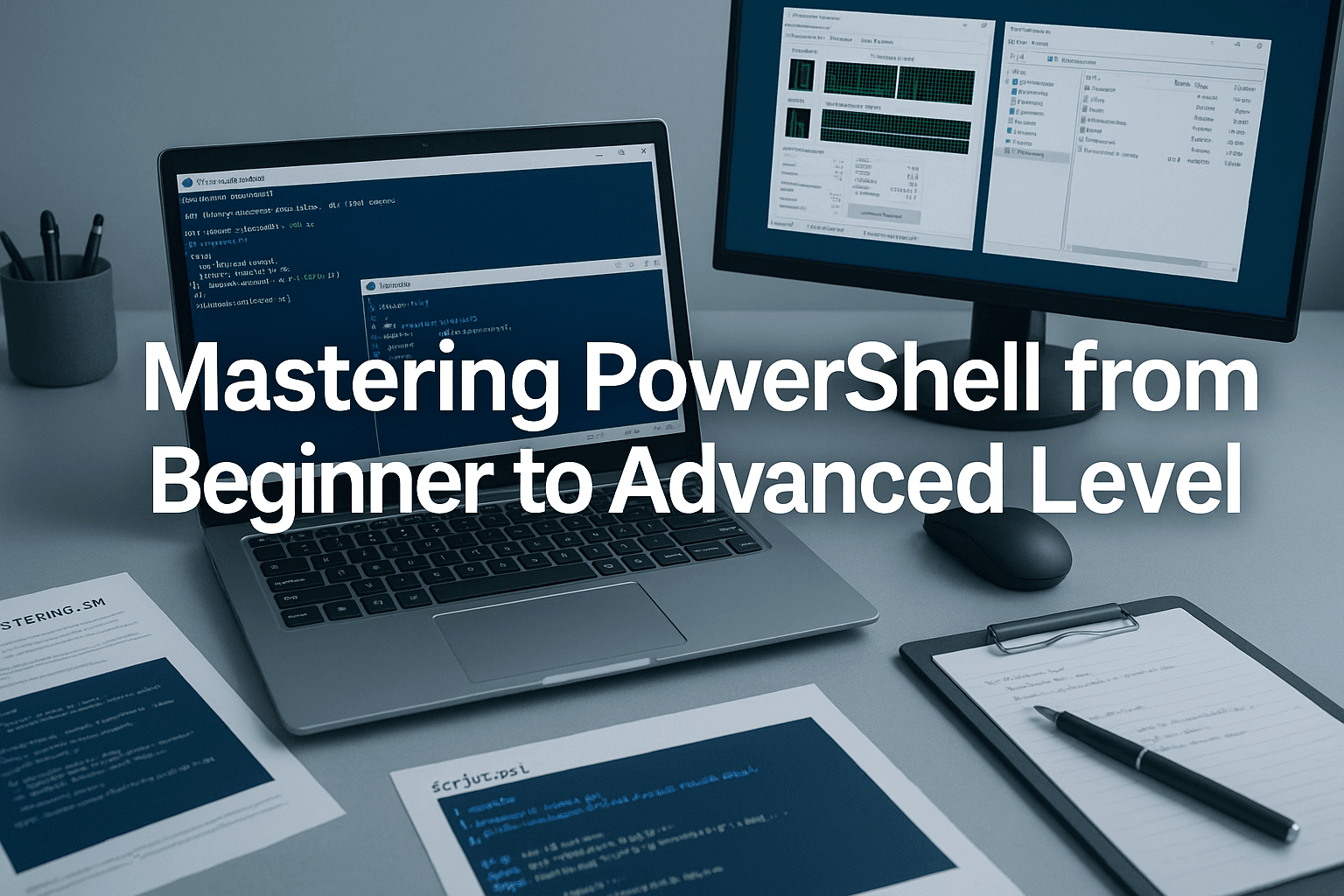
Mastering PowerShell from Beginner to Advanced Level
Course Line239د.إ2,420.18Original price was: د.إ2,420.18.د.إ74.04Current price is: د.إ74.04.Personal Branding
Course Line240د.إ2,420.18Original price was: د.إ2,420.18.د.إ74.04Current price is: د.إ74.04.Handyperson Level 5 Advanced Diploma
Course Line243د.إ2,420.18Original price was: د.إ2,420.18.د.إ74.04Current price is: د.إ74.04.


Related Courses
PRINCE2 in Practice: Simulated Projects & Case Studies
د.إ2,420.18Original price was: د.إ2,420.18.د.إ74.04Current price is: د.إ74.04.237PRINCE2 for Beginners: An Introduction to Project Governance
د.إ2,420.18Original price was: د.إ2,420.18.د.إ74.04Current price is: د.إ74.04.237PRINCE2 Project Documentation: Templates & Best Practice
د.إ2,420.18Original price was: د.إ2,420.18.د.إ74.04Current price is: د.إ74.04.237

Related Courses
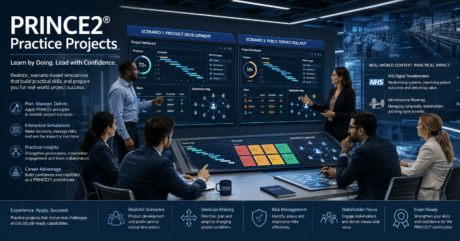
PRINCE2 in Practice: Simulated Projects & Case Studies
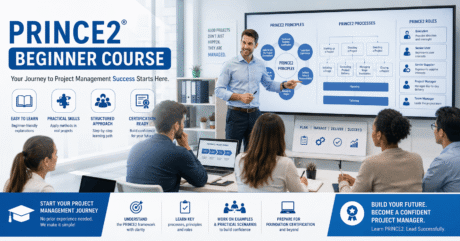
د.إ2,420.18Original price was: د.إ2,420.18.د.إ74.04Current price is: د.إ74.04.237PRINCE2 for Beginners: An Introduction to Project Governance
د.إ2,420.18Original price was: د.إ2,420.18.د.إ74.04Current price is: د.إ74.04.237PRINCE2 Project Documentation: Templates & Best Practice
د.إ2,420.18Original price was: د.إ2,420.18.د.إ74.04Current price is: د.إ74.04.237

