
Completing this course can support progression into wildlife conservation, ecological fieldwork, animal care, environmental education, or further study in biology and zoology-related subjects. It provides foundational knowledge useful for roles in animal shelters, research projects, parks, and nature organisations, as well as preparation for advanced zoology qualifications.
Course Features
Price
Study Method
Online | Self-paced
Course Format
Reading Material - PDF, article
Duration
5 hours, 15 minutes
Qualification
No formal qualification
Certificate
At completion
Additional info
Coming soon
- Share
Overview
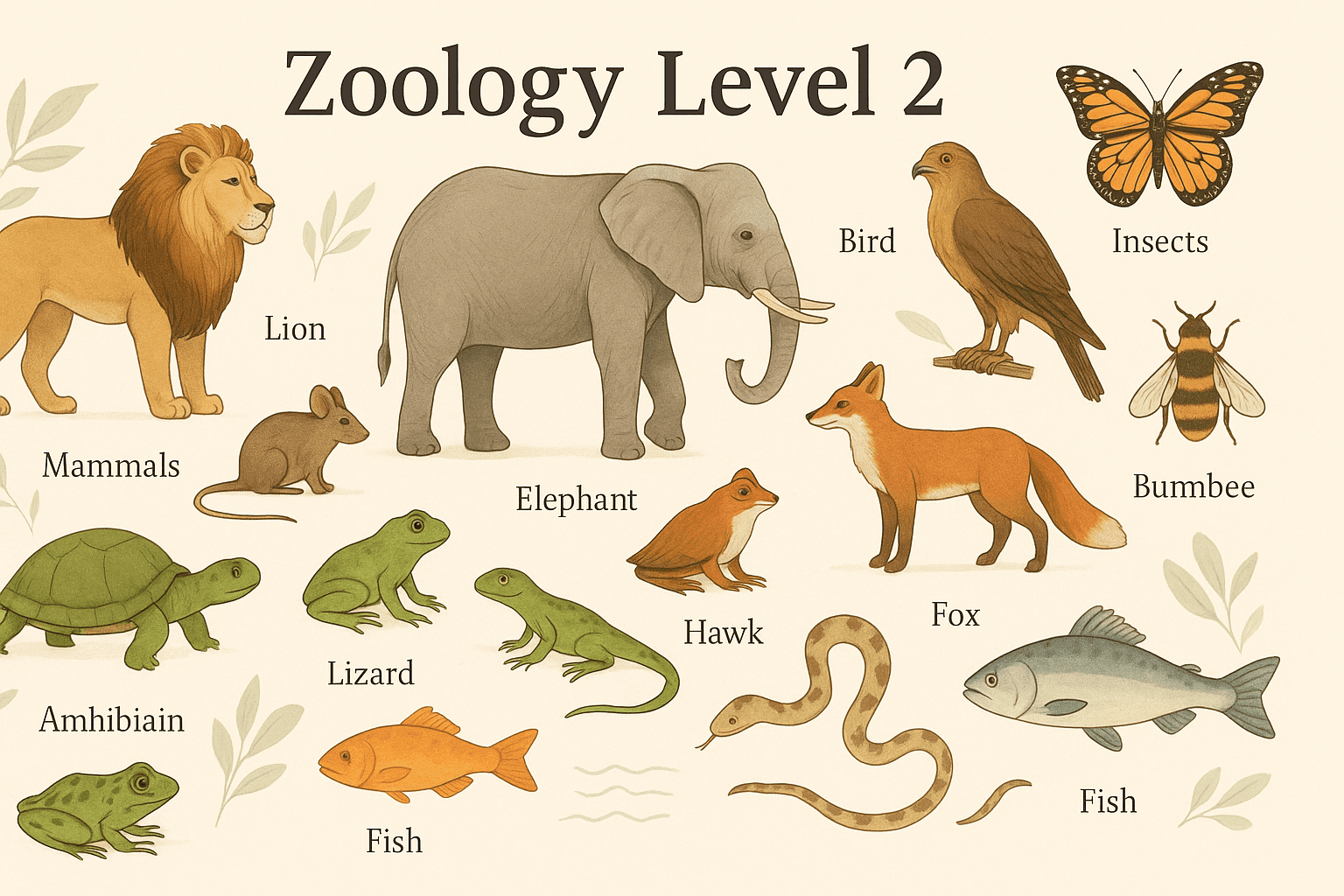
Zoology Course Level 2 provides a comprehensive journey into the scientific study of animals, helping learners build a solid foundation in animal biology, diversity, physiology, behaviour, and ecology. This course introduces zoology in a structured way, beginning with core concepts such as classification, evolutionary relationships, and the research methods used by zoologists to study different species across the animal kingdom.
As learners progress, they explore major animal groups—from invertebrates to mammals—while understanding how each group has adapted to survive in varied environments. The course also examines endangered species and conservation efforts, highlighting the importance of protecting biodiversity in a rapidly changing world. Through clear explanations and accessible examples, students gain insight into how different physiological systems operate, including circulation, digestion, respiration, nervous function, and reproduction.
Beyond anatomy and physiology, this course looks at animal behaviour from a scientific perspective. Learners discover how animals communicate, learn, solve problems, and interact within social groups, drawing on key principles from ethology. These behavioural insights support deeper understanding of how species survive, reproduce, and respond to their environment.
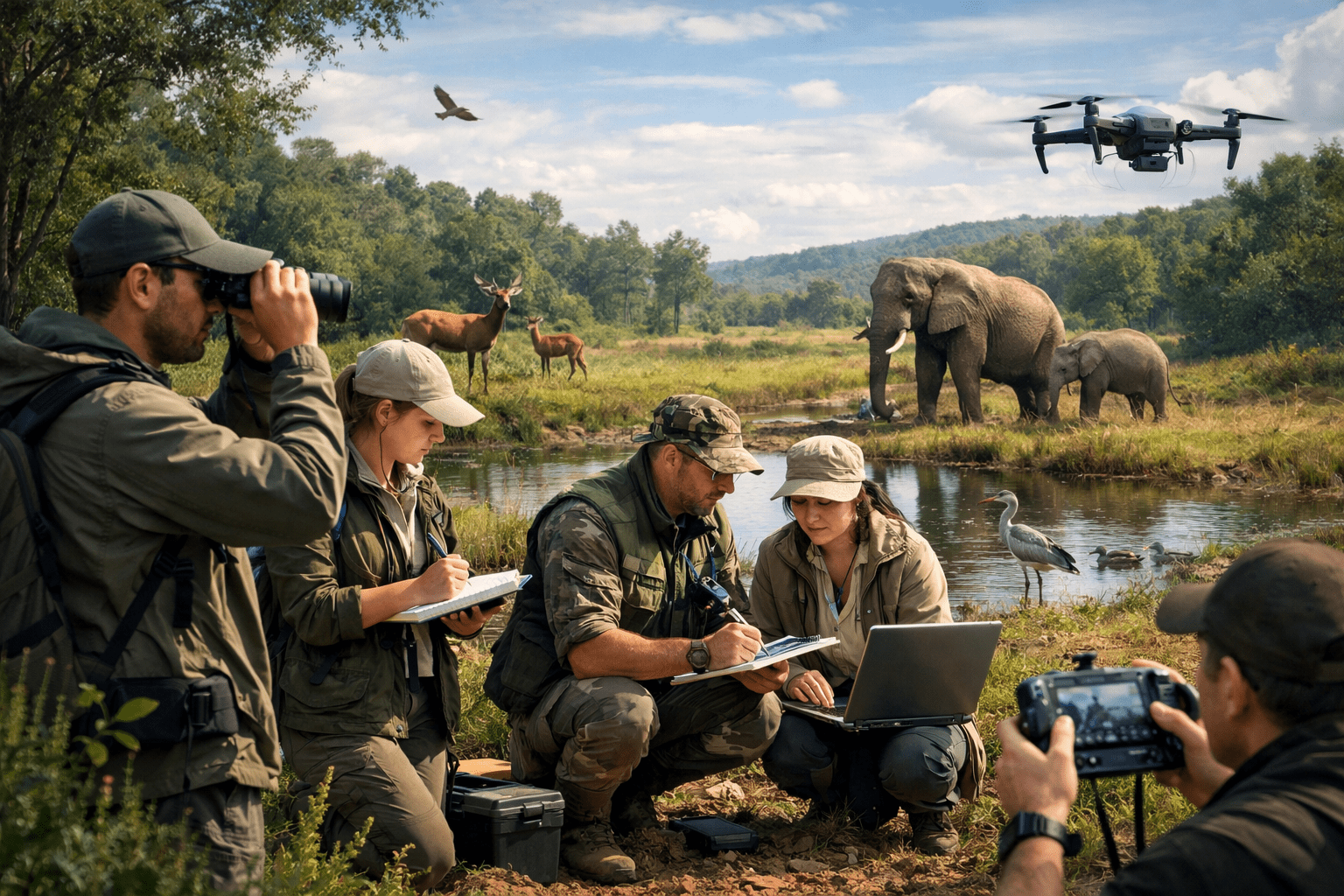
The final modules connect zoology with ecological principles. Students examine ecosystems, species interactions, and the impact of human activity on wildlife. Practical case studies and fieldwork-oriented lessons encourage learners to apply their knowledge to real-world scenarios, from adaptation analysis to conservation project evaluation.
By the end of this course, learners gain the confidence to interpret animal biology with clarity, engage with scientific material, and think critically about wildlife and conservation challenges.
All learners receive a free course completion certificate, and those seeking more formal documentation can choose from premium certificate and transcript options. Students also benefit from 5-star rated support available 24/7 via email, ensuring guidance is always within reach.
This course is ideal for beginners interested in animal science, aspiring wildlife professionals, school or college students, and anyone preparing for further study in biology or conservation. It is also suitable for animal enthusiasts who want a structured, scientific understanding of how animals live, adapt, and interact within ecosystems.
No previous zoology experience is needed. A basic interest in animals, nature, or biological sciences is recommended. Learners should have the ability to read scientific material and follow structured lessons. Internet access is required to engage with all course resources and activities.
Who is this course for?
Zoology Course Level 2 provides a comprehensive journey into the scientific study of animals, helping learners build a solid foundation in animal biology, diversity, physiology, behaviour, and ecology. This course introduces zoology in a structured way, beginning with core concepts such as classification, evolutionary relationships, and the research methods used by zoologists to study different species across the animal kingdom.
As learners progress, they explore major animal groups—from invertebrates to mammals—while understanding how each group has adapted to survive in varied environments. The course also examines endangered species and conservation efforts, highlighting the importance of protecting biodiversity in a rapidly changing world. Through clear explanations and accessible examples, students gain insight into how different physiological systems operate, including circulation, digestion, respiration, nervous function, and reproduction.
Beyond anatomy and physiology, this course looks at animal behaviour from a scientific perspective. Learners discover how animals communicate, learn, solve problems, and interact within social groups, drawing on key principles from ethology. These behavioural insights support deeper understanding of how species survive, reproduce, and respond to their environment.
The final modules connect zoology with ecological principles. Students examine ecosystems, species interactions, and the impact of human activity on wildlife. Practical case studies and fieldwork-oriented lessons encourage learners to apply their knowledge to real-world scenarios, from adaptation analysis to conservation project evaluation.
By the end of this course, learners gain the confidence to interpret animal biology with clarity, engage with scientific material, and think critically about wildlife and conservation challenges.
All learners receive a free course completion certificate, and those seeking more formal documentation can choose from premium certificate and transcript options. Students also benefit from 5-star rated support available 24/7 via email, ensuring guidance is always within reach.
This course is ideal for beginners interested in animal science, aspiring wildlife professionals, school or college students, and anyone preparing for further study in biology or conservation. It is also suitable for animal enthusiasts who want a structured, scientific understanding of how animals live, adapt, and interact within ecosystems.
No previous zoology experience is needed. A basic interest in animals, nature, or biological sciences is recommended. Learners should have the ability to read scientific material and follow structured lessons. Internet access is required to engage with all course resources and activities.
Completing this course can support progression into wildlife conservation, ecological fieldwork, animal care, environmental education, or further study in biology and zoology-related subjects. It provides foundational knowledge useful for roles in animal shelters, research projects, parks, and nature organisations, as well as preparation for advanced zoology qualifications.
Requirements
Zoology Course Level 2 provides a comprehensive journey into the scientific study of animals, helping learners build a solid foundation in animal biology, diversity, physiology, behaviour, and ecology. This course introduces zoology in a structured way, beginning with core concepts such as classification, evolutionary relationships, and the research methods used by zoologists to study different species across the animal kingdom.
As learners progress, they explore major animal groups—from invertebrates to mammals—while understanding how each group has adapted to survive in varied environments. The course also examines endangered species and conservation efforts, highlighting the importance of protecting biodiversity in a rapidly changing world. Through clear explanations and accessible examples, students gain insight into how different physiological systems operate, including circulation, digestion, respiration, nervous function, and reproduction.
Beyond anatomy and physiology, this course looks at animal behaviour from a scientific perspective. Learners discover how animals communicate, learn, solve problems, and interact within social groups, drawing on key principles from ethology. These behavioural insights support deeper understanding of how species survive, reproduce, and respond to their environment.
The final modules connect zoology with ecological principles. Students examine ecosystems, species interactions, and the impact of human activity on wildlife. Practical case studies and fieldwork-oriented lessons encourage learners to apply their knowledge to real-world scenarios, from adaptation analysis to conservation project evaluation.
By the end of this course, learners gain the confidence to interpret animal biology with clarity, engage with scientific material, and think critically about wildlife and conservation challenges.
All learners receive a free course completion certificate, and those seeking more formal documentation can choose from premium certificate and transcript options. Students also benefit from 5-star rated support available 24/7 via email, ensuring guidance is always within reach.
This course is ideal for beginners interested in animal science, aspiring wildlife professionals, school or college students, and anyone preparing for further study in biology or conservation. It is also suitable for animal enthusiasts who want a structured, scientific understanding of how animals live, adapt, and interact within ecosystems.
No previous zoology experience is needed. A basic interest in animals, nature, or biological sciences is recommended. Learners should have the ability to read scientific material and follow structured lessons. Internet access is required to engage with all course resources and activities.
Completing this course can support progression into wildlife conservation, ecological fieldwork, animal care, environmental education, or further study in biology and zoology-related subjects. It provides foundational knowledge useful for roles in animal shelters, research projects, parks, and nature organisations, as well as preparation for advanced zoology qualifications.
Career path
Zoology Course Level 2 provides a comprehensive journey into the scientific study of animals, helping learners build a solid foundation in animal biology, diversity, physiology, behaviour, and ecology. This course introduces zoology in a structured way, beginning with core concepts such as classification, evolutionary relationships, and the research methods used by zoologists to study different species across the animal kingdom.
As learners progress, they explore major animal groups—from invertebrates to mammals—while understanding how each group has adapted to survive in varied environments. The course also examines endangered species and conservation efforts, highlighting the importance of protecting biodiversity in a rapidly changing world. Through clear explanations and accessible examples, students gain insight into how different physiological systems operate, including circulation, digestion, respiration, nervous function, and reproduction.
Beyond anatomy and physiology, this course looks at animal behaviour from a scientific perspective. Learners discover how animals communicate, learn, solve problems, and interact within social groups, drawing on key principles from ethology. These behavioural insights support deeper understanding of how species survive, reproduce, and respond to their environment.
The final modules connect zoology with ecological principles. Students examine ecosystems, species interactions, and the impact of human activity on wildlife. Practical case studies and fieldwork-oriented lessons encourage learners to apply their knowledge to real-world scenarios, from adaptation analysis to conservation project evaluation.
By the end of this course, learners gain the confidence to interpret animal biology with clarity, engage with scientific material, and think critically about wildlife and conservation challenges.
All learners receive a free course completion certificate, and those seeking more formal documentation can choose from premium certificate and transcript options. Students also benefit from 5-star rated support available 24/7 via email, ensuring guidance is always within reach.
This course is ideal for beginners interested in animal science, aspiring wildlife professionals, school or college students, and anyone preparing for further study in biology or conservation. It is also suitable for animal enthusiasts who want a structured, scientific understanding of how animals live, adapt, and interact within ecosystems.
No previous zoology experience is needed. A basic interest in animals, nature, or biological sciences is recommended. Learners should have the ability to read scientific material and follow structured lessons. Internet access is required to engage with all course resources and activities.
Completing this course can support progression into wildlife conservation, ecological fieldwork, animal care, environmental education, or further study in biology and zoology-related subjects. It provides foundational knowledge useful for roles in animal shelters, research projects, parks, and nature organisations, as well as preparation for advanced zoology qualifications.
-
- What is Zoology? 00:10:00
- The History of Zoology 00:10:00
- Classification of Animals 00:10:00
- Zoological Research Methods 00:10:00
-
- Invertebrates: An Overview 00:10:00
- Vertebrates: Fish and Amphibians 00:10:00
- Vertebrates: Reptiles and Birds 00:10:00
- Vertebrates: Mammals 00:10:00
- Endangered Species and Conservation 00:10:00
- Circulatory and Respiratory Systems 00:10:00
- Digestive and Excretory Systems 00:10:00
- Nervous and Sensory Systems 00:10:00
- Reproductive and Endocrine Systems 00:10:00
- Ecosystems and Biodiversity 00:10:00
- Interactions Among Species 00:10:00
- Human Impact on Wildlife 00:10:00
- Conservation Biology and Ethical Considerations 00:10:00
- Exam of Zoology Level 2 00:50:00

No Reviews found for this course.
Is this certificate recognized?
Yes, our premium certificate and transcript are widely recognized and accepted by embassies worldwide, particularly by the UK embassy. This adds credibility to your qualification and enhances its value for professional and academic purposes.
I am a beginner. Is this course suitable for me?
Yes, this course is designed for learners of all levels, including beginners. The content is structured to provide step-by-step guidance, ensuring that even those with no prior experience can follow along and gain valuable knowledge.
I am a professional. Is this course suitable for me?
Yes, professionals will also benefit from this course. It covers advanced concepts, practical applications, and industry insights that can help enhance existing skills and knowledge. Whether you are looking to refine your expertise or expand your qualifications, this course provides valuable learning.
Does this course have an expiry date?
No, you have lifetime access to the course. Once enrolled, you can revisit the materials at any time as long as the course remains available. Additionally, we regularly update our content to ensure it stays relevant and up to date.
How do I claim my free certificate?
I trust you’re in good health. Your free certificate can be located in the Achievement section. The option to purchase a CPD certificate is available but entirely optional, and you may choose to skip it. Please be aware that it’s crucial to click the “Complete” button to ensure the certificate is generated, as this process is entirely automated.
Does this course have assessments and assignments?
Yes, the course includes both assessments and assignments. Your final marks will be determined by a combination of 20% from assignments and 80% from assessments. These evaluations are designed to test your understanding and ensure you have grasped the key concepts effectively.
Is this course accredited?
We are a recognized course provider with CPD, UKRLP, and AOHT membership. The logos of these accreditation bodies will be featured on your premium certificate and transcript, ensuring credibility and professional recognition.
Will I receive a certificate upon completion?
Yes, you will receive a free digital certificate automatically once you complete the course. If you would like a premium CPD-accredited certificate, either in digital or physical format, you can upgrade for a small fee.
Course Features
Price
Study Method
Online | Self-paced
Course Format
Reading Material - PDF, article
Duration
5 hours, 15 minutes
Qualification
No formal qualification
Certificate
At completion
Additional info
Coming soon
- Share
{"title":"","show_title":"0","post_type":"course","taxonomy":"","term":"0","post_ids":"","course_style":"random","featured_style":"course4","masonry":"","grid_columns":"clear1 col-md-12","column_width":"268","gutter":"30","grid_number":"3","infinite":"","pagination":"","grid_excerpt_length":"100","grid_link":"1","grid_search":"0","course_type":"","css_class":"","container_css":"","custom_css":""}

Wildlife Conservation Level 3 Advanced Diploma
Course Line243£490.00Original price was: £490.00.£14.99Current price is: £14.99.


Related Courses
Pet Training & Behaviour Mastery: Dogs, Cats, Rabbits & Pet First Aid
£490.00Original price was: £490.00.£14.99Current price is: £14.99.237Level 7 Advanced Diploma in Veterinary Science
£490.00Original price was: £490.00.£14.99Current price is: £14.99.238Start & Grow a Successful Dog Walking Business: From First Steps to Steady Clients
£490.00Original price was: £490.00.£14.99Current price is: £14.99.238


Related Courses
Pet Training & Behaviour Mastery: Dogs, Cats, Rabbits & Pet First Aid
£490.00Original price was: £490.00.£14.99Current price is: £14.99.237Level 7 Advanced Diploma in Veterinary Science
£490.00Original price was: £490.00.£14.99Current price is: £14.99.238Start & Grow a Successful Dog Walking Business: From First Steps to Steady Clients
£490.00Original price was: £490.00.£14.99Current price is: £14.99.238

