
Course Features
Price
Study Method
Online | Self-paced
Course Format
Reading Material - PDF, article
Duration
5 hours, 5 minutes
Qualification
No formal qualification
Certificate
At completion
Additional info
Coming soon
- Share
Overview
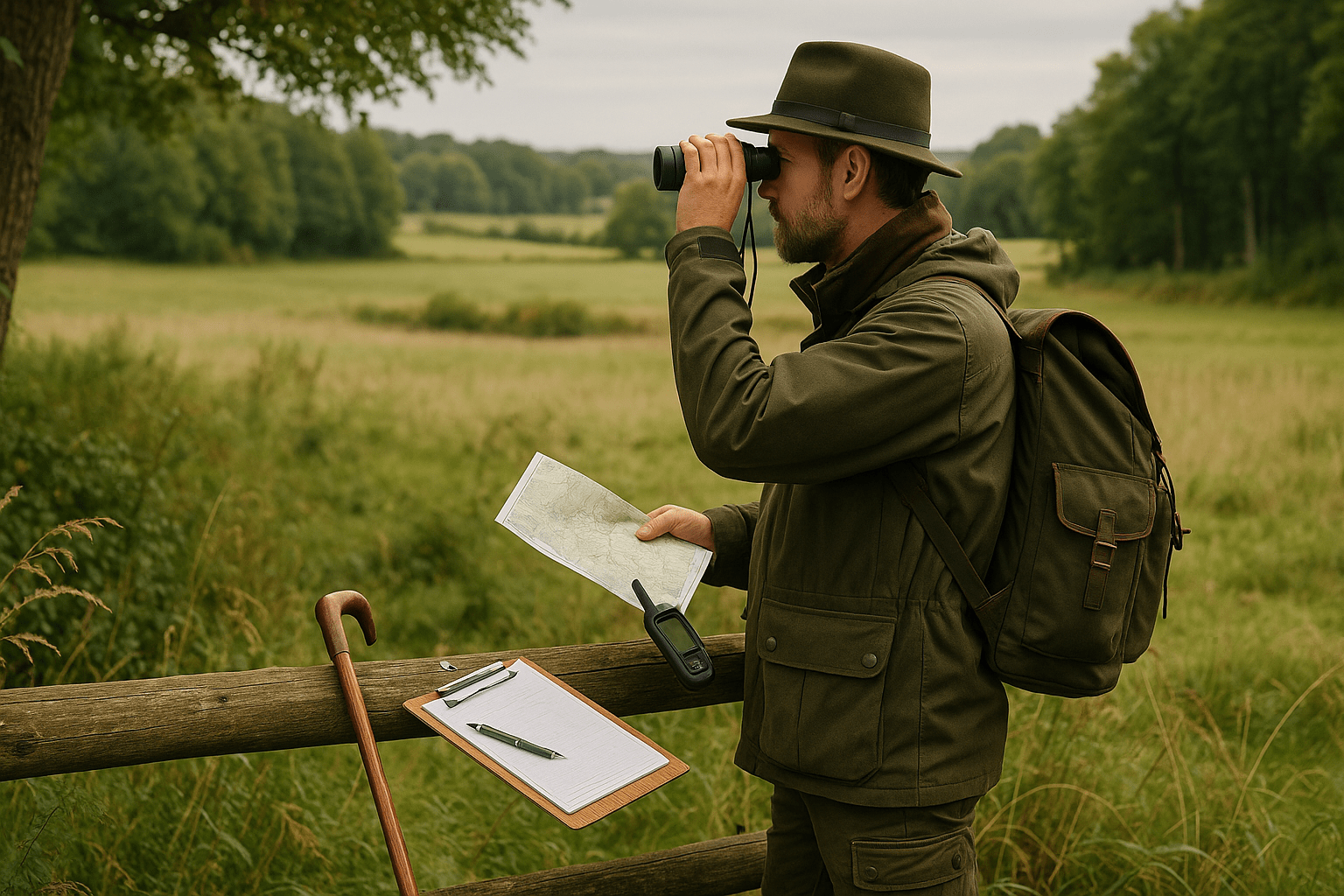
The gamekeeping essentials course offers a comprehensive introduction to the principles, responsibilities and fieldcraft required to work effectively within the UK’s game and wildlife management sector. Designed to balance practical knowledge with ethical awareness, this programme explores how modern gamekeepers contribute to conservation, habitat protection and the long-term sustainability of rural environments. Learners gain a well-rounded understanding of wildlife behaviour, land use, and the regulatory frameworks that shape today’s countryside management practices.
The course begins by examining the origins and evolution of gamekeeping across the UK, highlighting how the role has shifted alongside modern conservation priorities. You will explore how gamekeepers manage species populations, maintain healthy ecosystems and apply practical techniques such as habitat enhancement, disease monitoring and predator management. These skills are presented through clear, real-world examples that help learners understand the connection between day-to-day tasks and broader environmental outcomes.
A key part of the training focuses on the laws, permissions and compliance expectations that guide ethical gamekeeping. From licensing and reporting requirements to the Wildlife and Countryside Act, you will develop a confident understanding of how legislation shapes responsible field practice. The course also covers the essential equipment used in the profession, from traditional tools to modern tracking technologies that support land management decisions.
Community engagement is another important dimension of the programme. Students explore how gamekeepers collaborate with farmers, conservation organisations and local residents to balance biodiversity, commercial activity and public interest. By the end of the course, learners will have the foundational skills and awareness needed to support wildlife stewardship across diverse rural landscapes.
All students will receive a free course completion certificate, with optional premium certificates and transcripts available for purchase. You’ll also benefit from 5-star rated 24/7 email support throughout your studies.
Who is this course for?
The gamekeeping essentials course offers a comprehensive introduction to the principles, responsibilities and fieldcraft required to work effectively within the UK’s game and wildlife management sector. Designed to balance practical knowledge with ethical awareness, this programme explores how modern gamekeepers contribute to conservation, habitat protection and the long-term sustainability of rural environments. Learners gain a well-rounded understanding of wildlife behaviour, land use, and the regulatory frameworks that shape today’s countryside management practices.
The course begins by examining the origins and evolution of gamekeeping across the UK, highlighting how the role has shifted alongside modern conservation priorities. You will explore how gamekeepers manage species populations, maintain healthy ecosystems and apply practical techniques such as habitat enhancement, disease monitoring and predator management. These skills are presented through clear, real-world examples that help learners understand the connection between day-to-day tasks and broader environmental outcomes.
A key part of the training focuses on the laws, permissions and compliance expectations that guide ethical gamekeeping. From licensing and reporting requirements to the Wildlife and Countryside Act, you will develop a confident understanding of how legislation shapes responsible field practice. The course also covers the essential equipment used in the profession, from traditional tools to modern tracking technologies that support land management decisions.
Community engagement is another important dimension of the programme. Students explore how gamekeepers collaborate with farmers, conservation organisations and local residents to balance biodiversity, commercial activity and public interest. By the end of the course, learners will have the foundational skills and awareness needed to support wildlife stewardship across diverse rural landscapes.
All students will receive a free course completion certificate, with optional premium certificates and transcripts available for purchase. You’ll also benefit from 5-star rated 24/7 email support throughout your studies.
Requirements
The gamekeeping essentials course offers a comprehensive introduction to the principles, responsibilities and fieldcraft required to work effectively within the UK’s game and wildlife management sector. Designed to balance practical knowledge with ethical awareness, this programme explores how modern gamekeepers contribute to conservation, habitat protection and the long-term sustainability of rural environments. Learners gain a well-rounded understanding of wildlife behaviour, land use, and the regulatory frameworks that shape today’s countryside management practices.
The course begins by examining the origins and evolution of gamekeeping across the UK, highlighting how the role has shifted alongside modern conservation priorities. You will explore how gamekeepers manage species populations, maintain healthy ecosystems and apply practical techniques such as habitat enhancement, disease monitoring and predator management. These skills are presented through clear, real-world examples that help learners understand the connection between day-to-day tasks and broader environmental outcomes.
A key part of the training focuses on the laws, permissions and compliance expectations that guide ethical gamekeeping. From licensing and reporting requirements to the Wildlife and Countryside Act, you will develop a confident understanding of how legislation shapes responsible field practice. The course also covers the essential equipment used in the profession, from traditional tools to modern tracking technologies that support land management decisions.
Community engagement is another important dimension of the programme. Students explore how gamekeepers collaborate with farmers, conservation organisations and local residents to balance biodiversity, commercial activity and public interest. By the end of the course, learners will have the foundational skills and awareness needed to support wildlife stewardship across diverse rural landscapes.
All students will receive a free course completion certificate, with optional premium certificates and transcripts available for purchase. You’ll also benefit from 5-star rated 24/7 email support throughout your studies.
Career path
The gamekeeping essentials course offers a comprehensive introduction to the principles, responsibilities and fieldcraft required to work effectively within the UK’s game and wildlife management sector. Designed to balance practical knowledge with ethical awareness, this programme explores how modern gamekeepers contribute to conservation, habitat protection and the long-term sustainability of rural environments. Learners gain a well-rounded understanding of wildlife behaviour, land use, and the regulatory frameworks that shape today’s countryside management practices.
The course begins by examining the origins and evolution of gamekeeping across the UK, highlighting how the role has shifted alongside modern conservation priorities. You will explore how gamekeepers manage species populations, maintain healthy ecosystems and apply practical techniques such as habitat enhancement, disease monitoring and predator management. These skills are presented through clear, real-world examples that help learners understand the connection between day-to-day tasks and broader environmental outcomes.
A key part of the training focuses on the laws, permissions and compliance expectations that guide ethical gamekeeping. From licensing and reporting requirements to the Wildlife and Countryside Act, you will develop a confident understanding of how legislation shapes responsible field practice. The course also covers the essential equipment used in the profession, from traditional tools to modern tracking technologies that support land management decisions.
Community engagement is another important dimension of the programme. Students explore how gamekeepers collaborate with farmers, conservation organisations and local residents to balance biodiversity, commercial activity and public interest. By the end of the course, learners will have the foundational skills and awareness needed to support wildlife stewardship across diverse rural landscapes.
All students will receive a free course completion certificate, with optional premium certificates and transcripts available for purchase. You’ll also benefit from 5-star rated 24/7 email support throughout your studies.
-
- Overview of gamekeeping history and evolution in the UK 00:10:00
- Role and responsibilities of a gamekeeper 00:10:00
- Ethical considerations and conservation 00:10:00
-
- Common game species in the UK: identification and biology 00:10:00
- Habitat management: woodlands, wetlands, and fields 00:10:00
- Biodiversity and ecosystem health 00:10:00
- UK laws and regulations relevant to gamekeeping 00:10:00
- Wildlife and Countryside Act: key provisions and implications 00:10:00
- Licensing, reporting, and compliance 00:10:00
- Land and vegetation management for game conservation 00:10:00
- Techniques for improving game habitat 00:10:00
- rearing and release strategies 00:10:00
- Communication and collaboration with landowners, farmers 00:10:00
- Public education and awareness 00:10:00
- Balancing commercial and conservation interests 00:10:00
- Exam of Gamekeeping Essentials: Skills and Best Practices 00:50:00

No Reviews found for this course.
Is this certificate recognized?
Yes, our premium certificate and transcript are widely recognized and accepted by embassies worldwide, particularly by the UK embassy. This adds credibility to your qualification and enhances its value for professional and academic purposes.
I am a beginner. Is this course suitable for me?
Yes, this course is designed for learners of all levels, including beginners. The content is structured to provide step-by-step guidance, ensuring that even those with no prior experience can follow along and gain valuable knowledge.
I am a professional. Is this course suitable for me?
Yes, professionals will also benefit from this course. It covers advanced concepts, practical applications, and industry insights that can help enhance existing skills and knowledge. Whether you are looking to refine your expertise or expand your qualifications, this course provides valuable learning.
Does this course have an expiry date?
No, you have lifetime access to the course. Once enrolled, you can revisit the materials at any time as long as the course remains available. Additionally, we regularly update our content to ensure it stays relevant and up to date.
How do I claim my free certificate?
I trust you’re in good health. Your free certificate can be located in the Achievement section. The option to purchase a CPD certificate is available but entirely optional, and you may choose to skip it. Please be aware that it’s crucial to click the “Complete” button to ensure the certificate is generated, as this process is entirely automated.
Does this course have assessments and assignments?
Yes, the course includes both assessments and assignments. Your final marks will be determined by a combination of 20% from assignments and 80% from assessments. These evaluations are designed to test your understanding and ensure you have grasped the key concepts effectively.
Is this course accredited?
We are a recognized course provider with CPD, UKRLP, and AOHT membership. The logos of these accreditation bodies will be featured on your premium certificate and transcript, ensuring credibility and professional recognition.
Will I receive a certificate upon completion?
Yes, you will receive a free digital certificate automatically once you complete the course. If you would like a premium CPD-accredited certificate, either in digital or physical format, you can upgrade for a small fee.
Course Features
Price
Study Method
Online | Self-paced
Course Format
Reading Material - PDF, article
Duration
5 hours, 5 minutes
Qualification
No formal qualification
Certificate
At completion
Additional info
Coming soon
- Share

TikTok Bootcamp: Master Followers Growth, Video Editing, and Strategy
Course Line237£490.00Original price was: £490.00.£14.99Current price is: £14.99.Safety Procedures in The Workplace
Course Line237£490.00Original price was: £490.00.£14.99Current price is: £14.99.Air Conditioning Level 3 Advanced Diploma
Course Line240£490.00Original price was: £490.00.£14.99Current price is: £14.99.



Related Courses
Pet Training & Behaviour Mastery: Dogs, Cats, Rabbits & Pet First Aid
£490.00Original price was: £490.00.£14.99Current price is: £14.99.237Level 7 Advanced Diploma in Veterinary Science
£490.00Original price was: £490.00.£14.99Current price is: £14.99.238Start & Grow a Successful Dog Walking Business: From First Steps to Steady Clients
£490.00Original price was: £490.00.£14.99Current price is: £14.99.238




Related Courses
Pet Training & Behaviour Mastery: Dogs, Cats, Rabbits & Pet First Aid
£490.00Original price was: £490.00.£14.99Current price is: £14.99.237Level 7 Advanced Diploma in Veterinary Science
£490.00Original price was: £490.00.£14.99Current price is: £14.99.238Start & Grow a Successful Dog Walking Business: From First Steps to Steady Clients
£490.00Original price was: £490.00.£14.99Current price is: £14.99.238

