
Course Features
Price
Study Method
Online | Self-paced
Course Format
Reading Material - PDF, article
Duration
11 hours, 5 minutes
Qualification
No formal qualification
Certificate
At completion
Additional info
Coming soon
- Share

Overview
The epidemiology diploma provides a comprehensive foundation for understanding how diseases spread, how risks are measured, and how public health decisions are made. This course introduces learners to the essential principles and analytical methods used by epidemiologists to protect communities, investigate outbreaks, and guide health policy. Designed with practical application at its core, the programme blends scientific reasoning with real-world public health scenarios to help learners interpret data, recognise patterns, and contribute meaningfully to evidence-based decision-making.
Throughout the course, learners explore major epidemiological study designs, including cohort studies, case-control methods, randomised controlled trials, and systematic reviews. You will examine how incidence, prevalence, mortality, and risk ratios are calculated and interpreted, gaining the confidence to evaluate health data accurately. The curriculum also introduces surveillance systems, outbreak investigation techniques, and the role of technology in tracking disease trends, analysing environmental exposures, and monitoring chronic conditions.
In addition to infectious diseases, the course covers chronic disease epidemiology, social determinants of health, genetic influences, and global health considerations. By understanding how environmental, behavioural, and socioeconomic factors shape population health, learners gain a wider perspective on prevention strategies and public health interventions.
The programme also emphasises professional integrity. Dedicated modules on ethics, data protection, research governance, and responsible reporting ensure that learners approach all epidemiological tasks with transparency and accountability.
This course is suitable for anyone seeking structured, accessible training in epidemiology—whether for career progression, further study, or personal interest. Learners will receive a free course completion certificate, and can choose from multiple premium certificate and transcript options if they prefer an enhanced credential. All students also benefit from 5-star rated, 24/7 email support throughout their learning journey.
Who is this course for?
The epidemiology diploma provides a comprehensive foundation for understanding how diseases spread, how risks are measured, and how public health decisions are made. This course introduces learners to the essential principles and analytical methods used by epidemiologists to protect communities, investigate outbreaks, and guide health policy. Designed with practical application at its core, the programme blends scientific reasoning with real-world public health scenarios to help learners interpret data, recognise patterns, and contribute meaningfully to evidence-based decision-making.
Throughout the course, learners explore major epidemiological study designs, including cohort studies, case-control methods, randomised controlled trials, and systematic reviews. You will examine how incidence, prevalence, mortality, and risk ratios are calculated and interpreted, gaining the confidence to evaluate health data accurately. The curriculum also introduces surveillance systems, outbreak investigation techniques, and the role of technology in tracking disease trends, analysing environmental exposures, and monitoring chronic conditions.
In addition to infectious diseases, the course covers chronic disease epidemiology, social determinants of health, genetic influences, and global health considerations. By understanding how environmental, behavioural, and socioeconomic factors shape population health, learners gain a wider perspective on prevention strategies and public health interventions.
The programme also emphasises professional integrity. Dedicated modules on ethics, data protection, research governance, and responsible reporting ensure that learners approach all epidemiological tasks with transparency and accountability.
This course is suitable for anyone seeking structured, accessible training in epidemiology—whether for career progression, further study, or personal interest. Learners will receive a free course completion certificate, and can choose from multiple premium certificate and transcript options if they prefer an enhanced credential. All students also benefit from 5-star rated, 24/7 email support throughout their learning journey.
Requirements
The epidemiology diploma provides a comprehensive foundation for understanding how diseases spread, how risks are measured, and how public health decisions are made. This course introduces learners to the essential principles and analytical methods used by epidemiologists to protect communities, investigate outbreaks, and guide health policy. Designed with practical application at its core, the programme blends scientific reasoning with real-world public health scenarios to help learners interpret data, recognise patterns, and contribute meaningfully to evidence-based decision-making.
Throughout the course, learners explore major epidemiological study designs, including cohort studies, case-control methods, randomised controlled trials, and systematic reviews. You will examine how incidence, prevalence, mortality, and risk ratios are calculated and interpreted, gaining the confidence to evaluate health data accurately. The curriculum also introduces surveillance systems, outbreak investigation techniques, and the role of technology in tracking disease trends, analysing environmental exposures, and monitoring chronic conditions.
In addition to infectious diseases, the course covers chronic disease epidemiology, social determinants of health, genetic influences, and global health considerations. By understanding how environmental, behavioural, and socioeconomic factors shape population health, learners gain a wider perspective on prevention strategies and public health interventions.
The programme also emphasises professional integrity. Dedicated modules on ethics, data protection, research governance, and responsible reporting ensure that learners approach all epidemiological tasks with transparency and accountability.
This course is suitable for anyone seeking structured, accessible training in epidemiology—whether for career progression, further study, or personal interest. Learners will receive a free course completion certificate, and can choose from multiple premium certificate and transcript options if they prefer an enhanced credential. All students also benefit from 5-star rated, 24/7 email support throughout their learning journey.
Career path
The epidemiology diploma provides a comprehensive foundation for understanding how diseases spread, how risks are measured, and how public health decisions are made. This course introduces learners to the essential principles and analytical methods used by epidemiologists to protect communities, investigate outbreaks, and guide health policy. Designed with practical application at its core, the programme blends scientific reasoning with real-world public health scenarios to help learners interpret data, recognise patterns, and contribute meaningfully to evidence-based decision-making.
Throughout the course, learners explore major epidemiological study designs, including cohort studies, case-control methods, randomised controlled trials, and systematic reviews. You will examine how incidence, prevalence, mortality, and risk ratios are calculated and interpreted, gaining the confidence to evaluate health data accurately. The curriculum also introduces surveillance systems, outbreak investigation techniques, and the role of technology in tracking disease trends, analysing environmental exposures, and monitoring chronic conditions.
In addition to infectious diseases, the course covers chronic disease epidemiology, social determinants of health, genetic influences, and global health considerations. By understanding how environmental, behavioural, and socioeconomic factors shape population health, learners gain a wider perspective on prevention strategies and public health interventions.
The programme also emphasises professional integrity. Dedicated modules on ethics, data protection, research governance, and responsible reporting ensure that learners approach all epidemiological tasks with transparency and accountability.
This course is suitable for anyone seeking structured, accessible training in epidemiology—whether for career progression, further study, or personal interest. Learners will receive a free course completion certificate, and can choose from multiple premium certificate and transcript options if they prefer an enhanced credential. All students also benefit from 5-star rated, 24/7 email support throughout their learning journey.
-
- Understanding the basics of epidemiology 00:10:00
- Historical development and significance 00:10:00
- Key concepts and terminology in epidemiology 00:10:00
- Types of epidemiological studies 00:10:00
-
- Observational studies: Cohort and case-control studies 00:10:00
- Experimental studies: Randomized controlled trials (RCTs) 00:10:00
- Cross-sectional studies and ecological studies 00:10:00
- Meta-analysis and systematic reviews in epidemiology 00:10:00
- Prevalence and incidence rates 00:10:00
- Calculation and interpretation of rates 00:10:00
- Time-specific rates and age-specific rates 00:10:00
- Standardization of rates 00:10:00
- Sources of data in epidemiology 00:10:00
- Data collection methods: Surveys, interviews, and questionnaires 00:10:00
- Disease surveillance systems 00:10:00
- Use of technology in data collection and analysis 00:10:00
- Understanding transmission dynamics 00:10:00
- Common infectious diseases and their epidemiology 00:10:00
- Immunization programs and disease eradication efforts 00:10:00
- Emerging infectious diseases and global health threats 00:10:00
- Social determinants of health and health inequities 00:10:00
- Health disparities and vulnerable populations 00:10:00
- Role of epidemiology in addressing health inequalities 00:10:00
- Policy implications for improving population health 00:10:00
- Genetic factors in disease occurrence 00:10:00
- Family studies and heritability estimates 00:10:00
- Gene-environment interactions in epidemiology 00:10:00
- Advancements in genetic epidemiological research 00:10:00
- Principles of research ethics in epidemiology 00:10:00
- Informed consent and protection of study participants 00:10:00
- Ethical issues in data sharing and dissemination 00:10:00
- Balancing scientific benefits and potential harms 00:10:00
- Emerging trends in epidemiological research 00:10:00
- Integration of technology and big data in epidemiology 00:10:00
- Anticipating and responding to future public health challenges 00:10:00
- Ethical considerations in the era of advanced data analytics 00:10:00
- Premium Certificate 00:15:00

No Reviews found for this course.
Is this certificate recognized?
Yes, our premium certificate and transcript are widely recognized and accepted by embassies worldwide, particularly by the UK embassy. This adds credibility to your qualification and enhances its value for professional and academic purposes.
I am a beginner. Is this course suitable for me?
Yes, this course is designed for learners of all levels, including beginners. The content is structured to provide step-by-step guidance, ensuring that even those with no prior experience can follow along and gain valuable knowledge.
I am a professional. Is this course suitable for me?
Yes, professionals will also benefit from this course. It covers advanced concepts, practical applications, and industry insights that can help enhance existing skills and knowledge. Whether you are looking to refine your expertise or expand your qualifications, this course provides valuable learning.
Does this course have an expiry date?
No, you have lifetime access to the course. Once enrolled, you can revisit the materials at any time as long as the course remains available. Additionally, we regularly update our content to ensure it stays relevant and up to date.
How do I claim my free certificate?
I trust you’re in good health. Your free certificate can be located in the Achievement section. The option to purchase a CPD certificate is available but entirely optional, and you may choose to skip it. Please be aware that it’s crucial to click the “Complete” button to ensure the certificate is generated, as this process is entirely automated.
Does this course have assessments and assignments?
Yes, the course includes both assessments and assignments. Your final marks will be determined by a combination of 20% from assignments and 80% from assessments. These evaluations are designed to test your understanding and ensure you have grasped the key concepts effectively.
Is this course accredited?
We are a recognized course provider with CPD, UKRLP, and AOHT membership. The logos of these accreditation bodies will be featured on your premium certificate and transcript, ensuring credibility and professional recognition.
Will I receive a certificate upon completion?
Yes, you will receive a free digital certificate automatically once you complete the course. If you would like a premium CPD-accredited certificate, either in digital or physical format, you can upgrade for a small fee.
Course Features
Price
Study Method
Online | Self-paced
Course Format
Reading Material - PDF, article
Duration
11 hours, 5 minutes
Qualification
No formal qualification
Certificate
At completion
Additional info
Coming soon
- Share

Food Hygiene and Safety Level 1
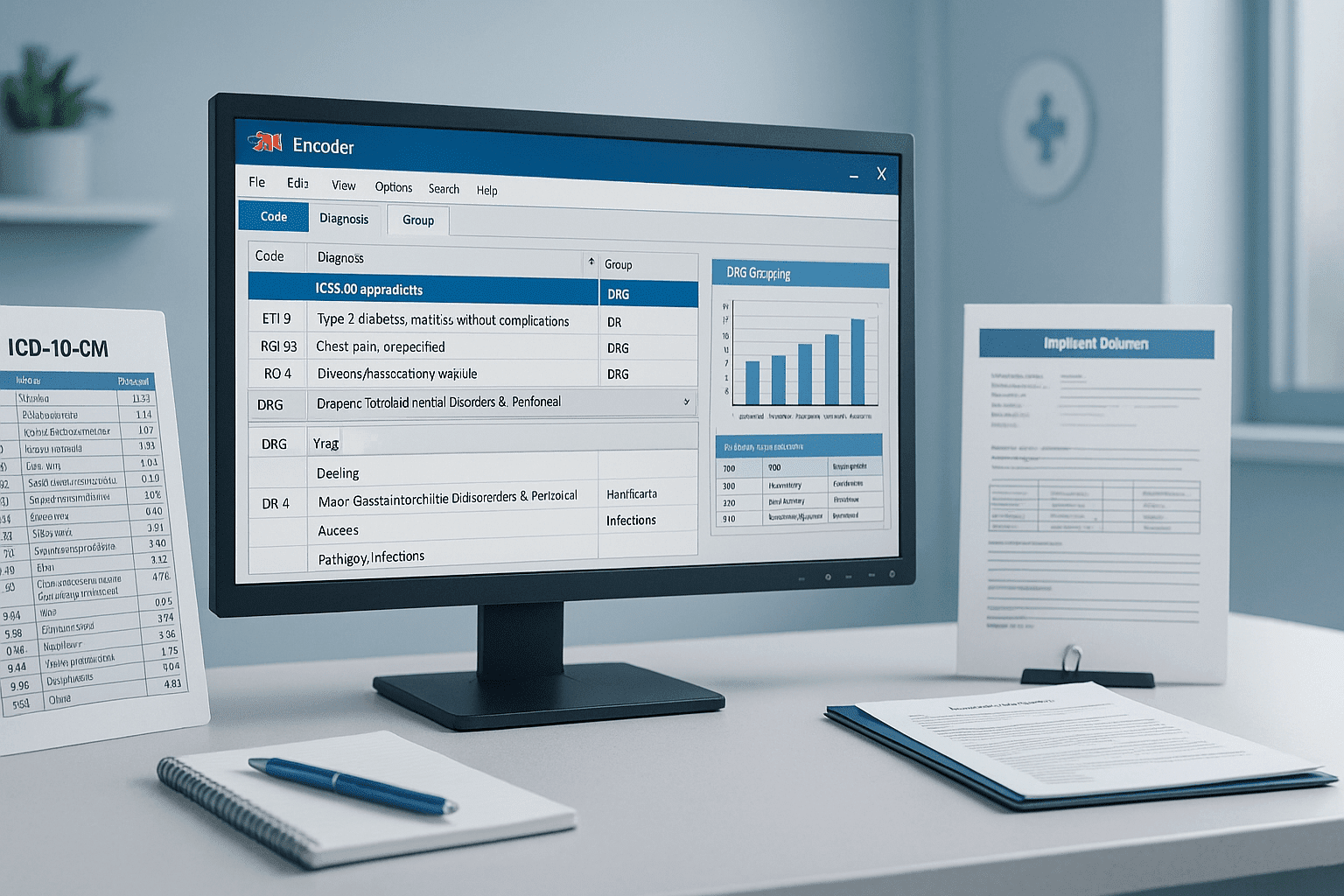
Course Line298£490.00Original price was: £490.00.£14.99Current price is: £14.99.Medical Coding with 3M Encoder: ICD-10-CM Diagnosis & DRG Mastery (Inpatient Focus)
Kazi Shofi Uddin Bablu237£490.00Original price was: £490.00.£14.99Current price is: £14.99.


Related Courses
Holistic Health Coach Certification: Nutrition, Fitness & Lifestyle Coaching
£490.00Original price was: £490.00.£14.99Current price is: £14.99.237Pet Training & Behaviour Mastery: Dogs, Cats, Rabbits & Pet First Aid
£490.00Original price was: £490.00.£14.99Current price is: £14.99.237Inpatient Coding Masterclass: DRG & PCS Complete Training
£490.00Original price was: £490.00.£14.99Current price is: £14.99.237




Related Courses
Holistic Health Coach Certification: Nutrition, Fitness & Lifestyle Coaching
£490.00Original price was: £490.00.£14.99Current price is: £14.99.237Pet Training & Behaviour Mastery: Dogs, Cats, Rabbits & Pet First Aid
£490.00Original price was: £490.00.£14.99Current price is: £14.99.237Inpatient Coding Masterclass: DRG & PCS Complete Training
£490.00Original price was: £490.00.£14.99Current price is: £14.99.237

