
Course Features
Price
Study Method
Online | Self-paced
Course Format
Reading Material - PDF, article
Duration
3 hours, 5 minutes
Qualification
No formal qualification
Certificate
At completion
Additional info
Coming soon
- Share

Overview
Criminal behaviour is a complex and deeply studied area within modern criminology, and this course provides a comprehensive introduction for learners who want to understand why crimes occur and how professionals investigate them. Beginning with the foundations of criminology, you’ll explore how crime is defined, the factors that influence offending, and the different categories used to classify criminal acts. The course also examines the methods used by investigators and psychologists to understand offenders, analyse evidence, and build accurate behavioural profiles.
You will learn how crime scenes are processed, how forensic science contributes to investigations, and which scientific methods help link evidence to suspects. From ballistics and fingerprints to autopsies and toxicology, each topic provides practical insight into how forensic experts work alongside law enforcement. The course also explores criminal psychology, examining motivations, behavioural patterns, and the cognitive processes that shape unlawful actions.
A significant part of the programme focuses on profiling—its phases, applications, and limitations. You will learn how evidence is examined, how offender signatures are interpreted, and how behavioural investigative advisers support police operations. In addition, key concepts in victimology are introduced, helping you understand how victims are affected, why certain individuals may be more at risk, and how rights and support systems function.
The final module provides a structured overview of the criminal justice system in England and Wales, covering courts, policing, and the journey of a case from investigation to sentencing. This ensures you gain a rounded understanding of how different agencies collaborate to maintain justice.
By the end of the course, you will have a solid, practical grounding in criminology, enabling you to think critically, analyse cases, and apply core investigative principles. Learners will also receive a free course completion certificate. Premium certificate and transcript options are available for those who want official documentation. Students additionally benefit from our 5-star rated support team, available 24/7 via email.
Who is this course for?
Criminal behaviour is a complex and deeply studied area within modern criminology, and this course provides a comprehensive introduction for learners who want to understand why crimes occur and how professionals investigate them. Beginning with the foundations of criminology, you’ll explore how crime is defined, the factors that influence offending, and the different categories used to classify criminal acts. The course also examines the methods used by investigators and psychologists to understand offenders, analyse evidence, and build accurate behavioural profiles.
You will learn how crime scenes are processed, how forensic science contributes to investigations, and which scientific methods help link evidence to suspects. From ballistics and fingerprints to autopsies and toxicology, each topic provides practical insight into how forensic experts work alongside law enforcement. The course also explores criminal psychology, examining motivations, behavioural patterns, and the cognitive processes that shape unlawful actions.
A significant part of the programme focuses on profiling—its phases, applications, and limitations. You will learn how evidence is examined, how offender signatures are interpreted, and how behavioural investigative advisers support police operations. In addition, key concepts in victimology are introduced, helping you understand how victims are affected, why certain individuals may be more at risk, and how rights and support systems function.
The final module provides a structured overview of the criminal justice system in England and Wales, covering courts, policing, and the journey of a case from investigation to sentencing. This ensures you gain a rounded understanding of how different agencies collaborate to maintain justice.
By the end of the course, you will have a solid, practical grounding in criminology, enabling you to think critically, analyse cases, and apply core investigative principles. Learners will also receive a free course completion certificate. Premium certificate and transcript options are available for those who want official documentation. Students additionally benefit from our 5-star rated support team, available 24/7 via email.
Requirements
Criminal behaviour is a complex and deeply studied area within modern criminology, and this course provides a comprehensive introduction for learners who want to understand why crimes occur and how professionals investigate them. Beginning with the foundations of criminology, you’ll explore how crime is defined, the factors that influence offending, and the different categories used to classify criminal acts. The course also examines the methods used by investigators and psychologists to understand offenders, analyse evidence, and build accurate behavioural profiles.
You will learn how crime scenes are processed, how forensic science contributes to investigations, and which scientific methods help link evidence to suspects. From ballistics and fingerprints to autopsies and toxicology, each topic provides practical insight into how forensic experts work alongside law enforcement. The course also explores criminal psychology, examining motivations, behavioural patterns, and the cognitive processes that shape unlawful actions.
A significant part of the programme focuses on profiling—its phases, applications, and limitations. You will learn how evidence is examined, how offender signatures are interpreted, and how behavioural investigative advisers support police operations. In addition, key concepts in victimology are introduced, helping you understand how victims are affected, why certain individuals may be more at risk, and how rights and support systems function.
The final module provides a structured overview of the criminal justice system in England and Wales, covering courts, policing, and the journey of a case from investigation to sentencing. This ensures you gain a rounded understanding of how different agencies collaborate to maintain justice.
By the end of the course, you will have a solid, practical grounding in criminology, enabling you to think critically, analyse cases, and apply core investigative principles. Learners will also receive a free course completion certificate. Premium certificate and transcript options are available for those who want official documentation. Students additionally benefit from our 5-star rated support team, available 24/7 via email.
Career path
Criminal behaviour is a complex and deeply studied area within modern criminology, and this course provides a comprehensive introduction for learners who want to understand why crimes occur and how professionals investigate them. Beginning with the foundations of criminology, you’ll explore how crime is defined, the factors that influence offending, and the different categories used to classify criminal acts. The course also examines the methods used by investigators and psychologists to understand offenders, analyse evidence, and build accurate behavioural profiles.
You will learn how crime scenes are processed, how forensic science contributes to investigations, and which scientific methods help link evidence to suspects. From ballistics and fingerprints to autopsies and toxicology, each topic provides practical insight into how forensic experts work alongside law enforcement. The course also explores criminal psychology, examining motivations, behavioural patterns, and the cognitive processes that shape unlawful actions.
A significant part of the programme focuses on profiling—its phases, applications, and limitations. You will learn how evidence is examined, how offender signatures are interpreted, and how behavioural investigative advisers support police operations. In addition, key concepts in victimology are introduced, helping you understand how victims are affected, why certain individuals may be more at risk, and how rights and support systems function.
The final module provides a structured overview of the criminal justice system in England and Wales, covering courts, policing, and the journey of a case from investigation to sentencing. This ensures you gain a rounded understanding of how different agencies collaborate to maintain justice.
By the end of the course, you will have a solid, practical grounding in criminology, enabling you to think critically, analyse cases, and apply core investigative principles. Learners will also receive a free course completion certificate. Premium certificate and transcript options are available for those who want official documentation. Students additionally benefit from our 5-star rated support team, available 24/7 via email.
-
- Introduction to Criminology and Profiling 00:10:00
-
- Classification of Crime 00:10:00
- Violent Crimes 00:10:00
- Dealing with Crime 00:10:00
- Forensic Science 00:10:00
- Criminal Profiling 00:10:00
- Victimology 00:10:00
- Exam of Understanding Criminal Behavior: An Introduction to Criminology 00:50:00

No Reviews found for this course.
Is this certificate recognized?
Yes, our premium certificate and transcript are widely recognized and accepted by embassies worldwide, particularly by the UK embassy. This adds credibility to your qualification and enhances its value for professional and academic purposes.
I am a beginner. Is this course suitable for me?
Yes, this course is designed for learners of all levels, including beginners. The content is structured to provide step-by-step guidance, ensuring that even those with no prior experience can follow along and gain valuable knowledge.
I am a professional. Is this course suitable for me?
Yes, professionals will also benefit from this course. It covers advanced concepts, practical applications, and industry insights that can help enhance existing skills and knowledge. Whether you are looking to refine your expertise or expand your qualifications, this course provides valuable learning.
Does this course have an expiry date?
No, you have lifetime access to the course. Once enrolled, you can revisit the materials at any time as long as the course remains available. Additionally, we regularly update our content to ensure it stays relevant and up to date.
How do I claim my free certificate?
I trust you’re in good health. Your free certificate can be located in the Achievement section. The option to purchase a CPD certificate is available but entirely optional, and you may choose to skip it. Please be aware that it’s crucial to click the “Complete” button to ensure the certificate is generated, as this process is entirely automated.
Does this course have assessments and assignments?
Yes, the course includes both assessments and assignments. Your final marks will be determined by a combination of 20% from assignments and 80% from assessments. These evaluations are designed to test your understanding and ensure you have grasped the key concepts effectively.
Is this course accredited?
We are a recognized course provider with CPD, UKRLP, and AOHT membership. The logos of these accreditation bodies will be featured on your premium certificate and transcript, ensuring credibility and professional recognition.
Will I receive a certificate upon completion?
Yes, you will receive a free digital certificate automatically once you complete the course. If you would like a premium CPD-accredited certificate, either in digital or physical format, you can upgrade for a small fee.
Course Features
Price
Study Method
Online | Self-paced
Course Format
Reading Material - PDF, article
Duration
3 hours, 5 minutes
Qualification
No formal qualification
Certificate
At completion
Additional info
Coming soon
- Share

Mastering Laptop Motherboard Repair: Complete Laptop Repair Course
Course Line239£490.00Original price was: £490.00.£14.99Current price is: £14.99.Primary Teaching Level 8 Advanced Diploma
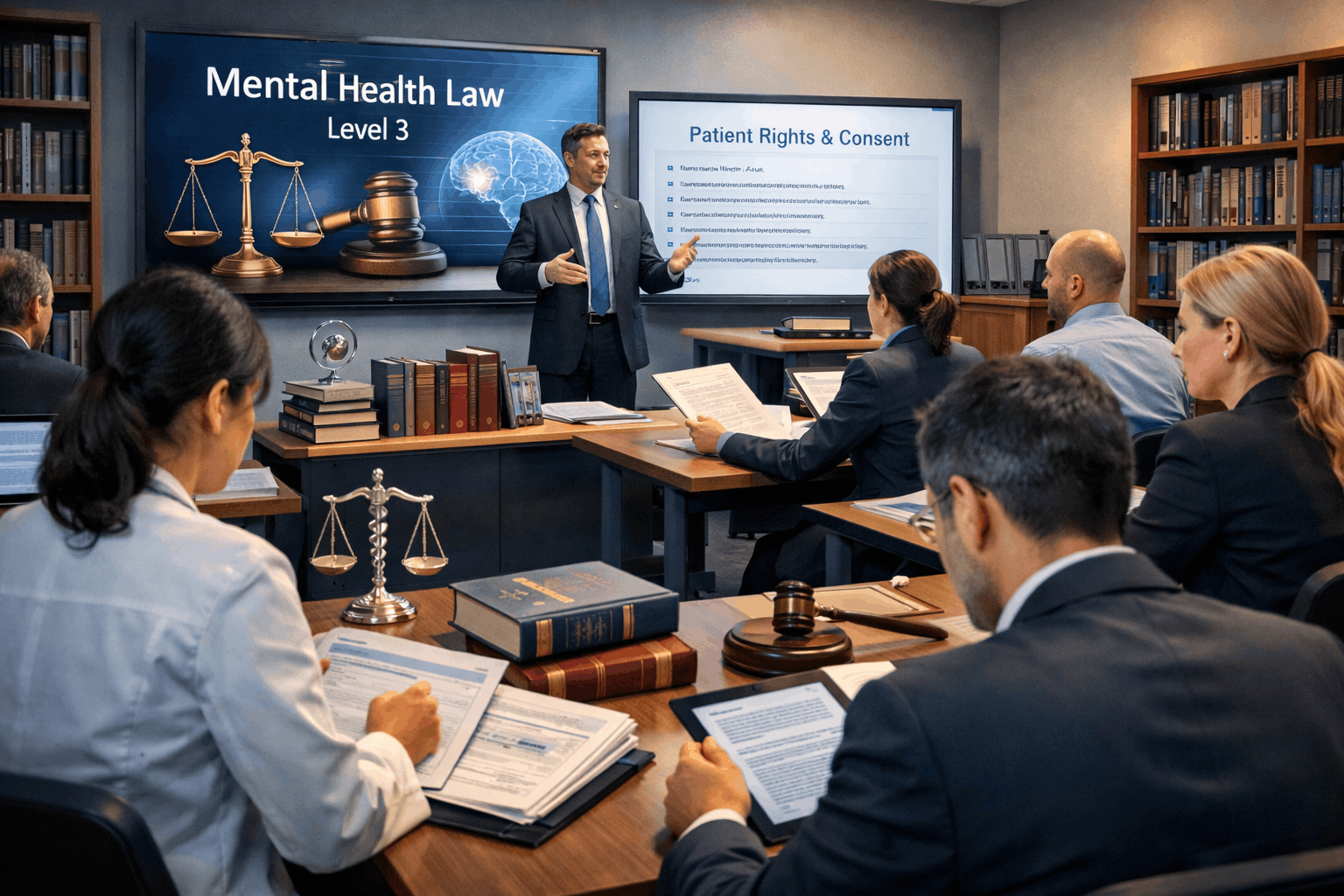
Course Line238£490.00Original price was: £490.00.£14.99Current price is: £14.99.Mental Health law Level 3 Advanced Diploma
Course Line241£490.00Original price was: £490.00.£14.99Current price is: £14.99.

Related Courses
Holistic Health Coach Certification: Nutrition, Fitness & Lifestyle Coaching
£490.00Original price was: £490.00.£14.99Current price is: £14.99.237Life Coaching Certification: Core Skills, Models & Client Success
£490.00Original price was: £490.00.£14.99Current price is: £14.99.237Certification in Aromatherapy & Chakra Healing
£490.00Original price was: £490.00.£14.99Current price is: £14.99.237




Related Courses
Holistic Health Coach Certification: Nutrition, Fitness & Lifestyle Coaching
£490.00Original price was: £490.00.£14.99Current price is: £14.99.237Life Coaching Certification: Core Skills, Models & Client Success
£490.00Original price was: £490.00.£14.99Current price is: £14.99.237Certification in Aromatherapy & Chakra Healing
£490.00Original price was: £490.00.£14.99Current price is: £14.99.237

