
Course Features
Price
Study Method
Online | Self-paced
Course Format
Reading Material - PDF, article
Duration
6 hours, 45 minutes
Qualification
No formal qualification
Certificate
At completion
Additional info
Coming soon
- Share
Overview
Acoustic Research plays a vital role in understanding how sound behaves, how it can be measured, and how it influences real-world environments. This Level 3 Advanced Diploma gives learners a clear, structured introduction to the science of acoustics, progressing from the foundations of sound waves to professional measurement techniques and research methodologies.
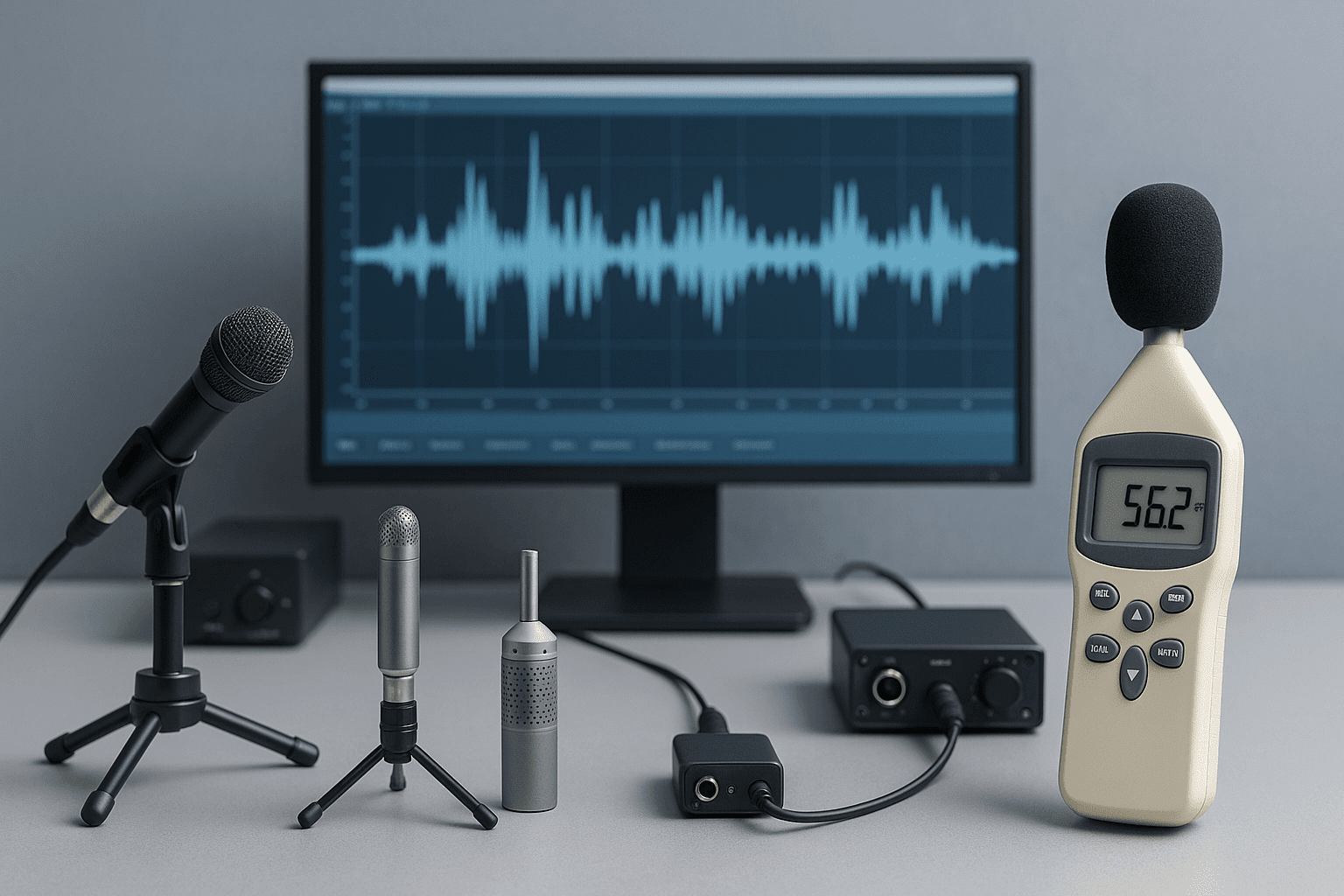
You begin by exploring the physics of sound—how waves travel, how they interact with different materials, and how acoustic energy is measured. These early modules build the technical base you need before moving into hands-on work with microphones, sensors, sound level meters, and analysis software. Throughout the course, learners gain confidence using industry-standard equipment while also understanding how to interpret acoustic data accurately.
From there, the programme delves into research design, ethical considerations, and documentation skills. You will learn how to plan an acoustic experiment, collect valid data, and present your findings in a structured research report. Architectural acoustics is another key component, introducing you to room behaviour, sound absorption, and the factors that shape the acoustic performance of buildings such as auditoriums, studios, and classrooms.
Electroacoustics equips you with knowledge of microphones, loudspeakers, amplifiers, and audio signal chains, helping you understand how these tools are used in professional recording, broadcasting, and reinforcement systems. Case studies showcase how acoustic principles are applied in industry, and you will complete an independent research project to demonstrate your practical understanding.
By the end of the course, you’ll have a well-rounded introduction to the field, positioning you for further study or entry-level roles that require foundational acoustic knowledge.
Learners will receive a free course completion certificate, with multiple premium certificate and transcript options available for purchase. You’ll also have access to 5-star rated support, available 24/7 via email, ensuring guidance is always within reach.
Who is this course for?
Acoustic Research plays a vital role in understanding how sound behaves, how it can be measured, and how it influences real-world environments. This Level 3 Advanced Diploma gives learners a clear, structured introduction to the science of acoustics, progressing from the foundations of sound waves to professional measurement techniques and research methodologies.
You begin by exploring the physics of sound—how waves travel, how they interact with different materials, and how acoustic energy is measured. These early modules build the technical base you need before moving into hands-on work with microphones, sensors, sound level meters, and analysis software. Throughout the course, learners gain confidence using industry-standard equipment while also understanding how to interpret acoustic data accurately.
From there, the programme delves into research design, ethical considerations, and documentation skills. You will learn how to plan an acoustic experiment, collect valid data, and present your findings in a structured research report. Architectural acoustics is another key component, introducing you to room behaviour, sound absorption, and the factors that shape the acoustic performance of buildings such as auditoriums, studios, and classrooms.
Electroacoustics equips you with knowledge of microphones, loudspeakers, amplifiers, and audio signal chains, helping you understand how these tools are used in professional recording, broadcasting, and reinforcement systems. Case studies showcase how acoustic principles are applied in industry, and you will complete an independent research project to demonstrate your practical understanding.
By the end of the course, you’ll have a well-rounded introduction to the field, positioning you for further study or entry-level roles that require foundational acoustic knowledge.
Learners will receive a free course completion certificate, with multiple premium certificate and transcript options available for purchase. You’ll also have access to 5-star rated support, available 24/7 via email, ensuring guidance is always within reach.
Requirements
Acoustic Research plays a vital role in understanding how sound behaves, how it can be measured, and how it influences real-world environments. This Level 3 Advanced Diploma gives learners a clear, structured introduction to the science of acoustics, progressing from the foundations of sound waves to professional measurement techniques and research methodologies.
You begin by exploring the physics of sound—how waves travel, how they interact with different materials, and how acoustic energy is measured. These early modules build the technical base you need before moving into hands-on work with microphones, sensors, sound level meters, and analysis software. Throughout the course, learners gain confidence using industry-standard equipment while also understanding how to interpret acoustic data accurately.
From there, the programme delves into research design, ethical considerations, and documentation skills. You will learn how to plan an acoustic experiment, collect valid data, and present your findings in a structured research report. Architectural acoustics is another key component, introducing you to room behaviour, sound absorption, and the factors that shape the acoustic performance of buildings such as auditoriums, studios, and classrooms.
Electroacoustics equips you with knowledge of microphones, loudspeakers, amplifiers, and audio signal chains, helping you understand how these tools are used in professional recording, broadcasting, and reinforcement systems. Case studies showcase how acoustic principles are applied in industry, and you will complete an independent research project to demonstrate your practical understanding.
By the end of the course, you’ll have a well-rounded introduction to the field, positioning you for further study or entry-level roles that require foundational acoustic knowledge.
Learners will receive a free course completion certificate, with multiple premium certificate and transcript options available for purchase. You’ll also have access to 5-star rated support, available 24/7 via email, ensuring guidance is always within reach.
Career path
Acoustic Research plays a vital role in understanding how sound behaves, how it can be measured, and how it influences real-world environments. This Level 3 Advanced Diploma gives learners a clear, structured introduction to the science of acoustics, progressing from the foundations of sound waves to professional measurement techniques and research methodologies.
You begin by exploring the physics of sound—how waves travel, how they interact with different materials, and how acoustic energy is measured. These early modules build the technical base you need before moving into hands-on work with microphones, sensors, sound level meters, and analysis software. Throughout the course, learners gain confidence using industry-standard equipment while also understanding how to interpret acoustic data accurately.
From there, the programme delves into research design, ethical considerations, and documentation skills. You will learn how to plan an acoustic experiment, collect valid data, and present your findings in a structured research report. Architectural acoustics is another key component, introducing you to room behaviour, sound absorption, and the factors that shape the acoustic performance of buildings such as auditoriums, studios, and classrooms.
Electroacoustics equips you with knowledge of microphones, loudspeakers, amplifiers, and audio signal chains, helping you understand how these tools are used in professional recording, broadcasting, and reinforcement systems. Case studies showcase how acoustic principles are applied in industry, and you will complete an independent research project to demonstrate your practical understanding.
By the end of the course, you’ll have a well-rounded introduction to the field, positioning you for further study or entry-level roles that require foundational acoustic knowledge.
Learners will receive a free course completion certificate, with multiple premium certificate and transcript options available for purchase. You’ll also have access to 5-star rated support, available 24/7 via email, ensuring guidance is always within reach.
-
- Overview of acoustics as a field of study 00:10:00
- Sound waves and their properties 00:10:00
- Basic principles of wave propagation 00:10:00
- Measurement units and terminology in acoustics 00:10:00
-
- Instruments and equipment for acoustic measurements 00:10:00
- Calibration and data collection 00:10:00
- Field measurements and laboratory experiments 00:10:00
- Data analysis and interpretation 00:10:00
- Research design and hypothesis development 00:10:00
- Data collection techniques 00:10:00
- Ethical considerations in acoustic research 00:10:00
- Reporting and documentation of research findings 00:10:00
- Room acoustics and acoustic design principles 00:10:00
- Sound absorption and reflection 00:10:00
- Auditorium and concert hall acoustics 00:10:00
- Building materials and their impact on acoustics 00:10:00
- Proposal development and approval 00:10:00
- Data collection and analysis 00:10:00
- Research report writing and presentation 00:10:00
- Career pathways in acoustics 00:10:00
- Professional organizations and certifications 00:10:00
- Networking and job search strategies 00:10:00
- Resume and interview preparation 00:10:00
- Premium Certificate 00:15:00

No Reviews found for this course.
Is this certificate recognized?
Yes, our premium certificate and transcript are widely recognized and accepted by embassies worldwide, particularly by the UK embassy. This adds credibility to your qualification and enhances its value for professional and academic purposes.
I am a beginner. Is this course suitable for me?
Yes, this course is designed for learners of all levels, including beginners. The content is structured to provide step-by-step guidance, ensuring that even those with no prior experience can follow along and gain valuable knowledge.
I am a professional. Is this course suitable for me?
Yes, professionals will also benefit from this course. It covers advanced concepts, practical applications, and industry insights that can help enhance existing skills and knowledge. Whether you are looking to refine your expertise or expand your qualifications, this course provides valuable learning.
Does this course have an expiry date?
No, you have lifetime access to the course. Once enrolled, you can revisit the materials at any time as long as the course remains available. Additionally, we regularly update our content to ensure it stays relevant and up to date.
How do I claim my free certificate?
I trust you’re in good health. Your free certificate can be located in the Achievement section. The option to purchase a CPD certificate is available but entirely optional, and you may choose to skip it. Please be aware that it’s crucial to click the “Complete” button to ensure the certificate is generated, as this process is entirely automated.
Does this course have assessments and assignments?
Yes, the course includes both assessments and assignments. Your final marks will be determined by a combination of 20% from assignments and 80% from assessments. These evaluations are designed to test your understanding and ensure you have grasped the key concepts effectively.
Is this course accredited?
We are a recognized course provider with CPD, UKRLP, and AOHT membership. The logos of these accreditation bodies will be featured on your premium certificate and transcript, ensuring credibility and professional recognition.
Will I receive a certificate upon completion?
Yes, you will receive a free digital certificate automatically once you complete the course. If you would like a premium CPD-accredited certificate, either in digital or physical format, you can upgrade for a small fee.
Course Features
Price
Study Method
Online | Self-paced
Course Format
Reading Material - PDF, article
Duration
6 hours, 45 minutes
Qualification
No formal qualification
Certificate
At completion
Additional info
Coming soon
- Share

Family Law Level 3 Advanced Diploma
Course Line248£490.00Original price was: £490.00.£14.99Current price is: £14.99.Facial Massage Level 8 Advanced Diploma
Course Line239£490.00Original price was: £490.00.£14.99Current price is: £14.99.



Related Courses
AutoCAD Floor Plan Rendering in Photoshop: Architectural Visualisation Professional Training
£490.00Original price was: £490.00.£14.99Current price is: £14.99.237C++ Programming for Beginners: From Zero to AI-Ready Developer
£490.00Original price was: £490.00.£14.99Current price is: £14.99.237Microsoft SQL Server & T-SQL Certification Training: Beginner to Advanced
£490.00Original price was: £490.00.£14.99Current price is: £14.99.237




Related Courses
AutoCAD Floor Plan Rendering in Photoshop: Architectural Visualisation Professional Training
£490.00Original price was: £490.00.£14.99Current price is: £14.99.237C++ Programming for Beginners: From Zero to AI-Ready Developer
£490.00Original price was: £490.00.£14.99Current price is: £14.99.237Microsoft SQL Server & T-SQL Certification Training: Beginner to Advanced
£490.00Original price was: £490.00.£14.99Current price is: £14.99.237

